Categories
Thought

John Stuart Mill

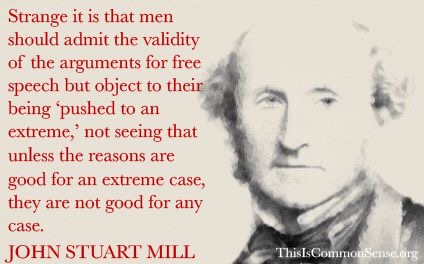
Strange it is that men should admit the validity of the arguments for free speech but object to their being ‘pushed to an extreme,’ not seeing that unless the reasons are good for an extreme case, they are not good for any case.

John Stuart Mill, On Liberty (1859), Chapter 2, “Of the Liberty of Thought and Discussion.”
Categories
Thought

Isaiah Berlin

The fundamental sense of freedom is freedom from chains, from imprisonment, from enslavement by others. The rest is extension of this sense, or else metaphor.

Categories
Thought

Isaiah Berlin

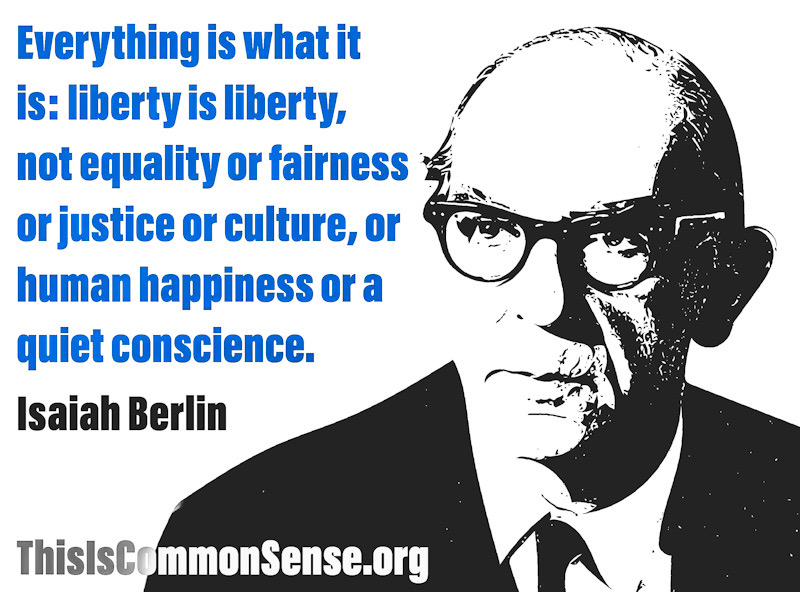
Everything is what it is: liberty is liberty, not equality or fairness or justice or culture, or human happiness or a quiet conscience.

Categories
Thought

Luther Martin

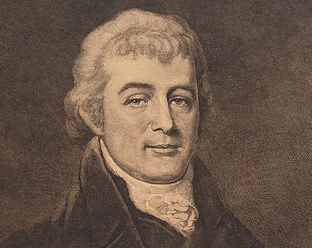
Those who would wish to excite and keep awake your jealousy and distrust are your truest friends; while they who speak peace to you when there is no peace — who would lull you into security, and wish you to repose blind confidence in your future governors — are your most dangerous enemies; jealousy and distrust are the guardian angels who watch over liberty — security and confidence are the forerunners of slavery.

Categories
Thought

Carmichael & Hamilton

It is our hope that the day may soon come when black people will reject federal funds because they have understood that these programs are geared to pacification rather than to genuine solutions. We hope that the rising level of consciousness may bring a rejection of such doles.

This will strike many readers as fantastic, but they might recall that once in India, Gandhi rejected relief food shipments from England precisely because he saw them as tools of pacification.

Stokely Carmichael and Charles V Hamilton, Black Power: the Politics of Liberation (New York: Random House, 1967).
Categories
Thought

François Rabelais

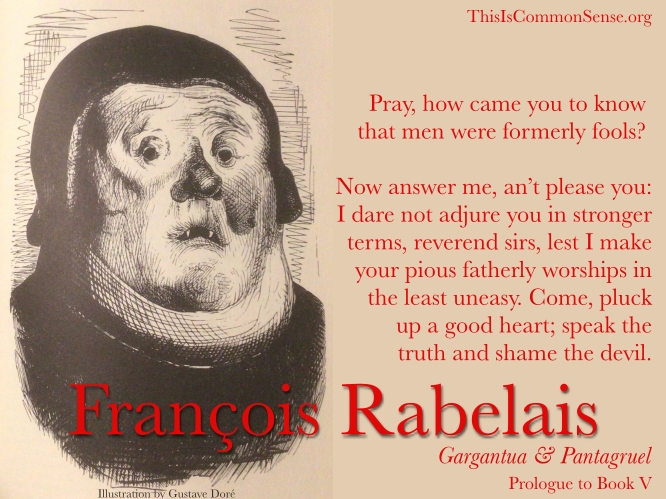
Pray, how came you to know that men were formerly fools? How did you find that they are now wise? . . .

Now answer me, an’t please you: I dare not adjure you in stronger terms, reverend sirs, lest I make your pious fatherly worships in the least uneasy. Come, pluck up a good heart; speak the truth and shame the devil, that enemy to paradise, that enemy to truth: be cheery, my lads; and if you are for me, take me off three or five bumpers of the best, while I make an halt at the first part of the sermon; then answer my question.

François Rabelais, Gargantua & Pantagruel (from the “Faithfully Translated” Gustave Doré edition), Book V, author’s prologue. The Doré illustration is of “Messire Oudart.”
Categories
Thought

James Mill

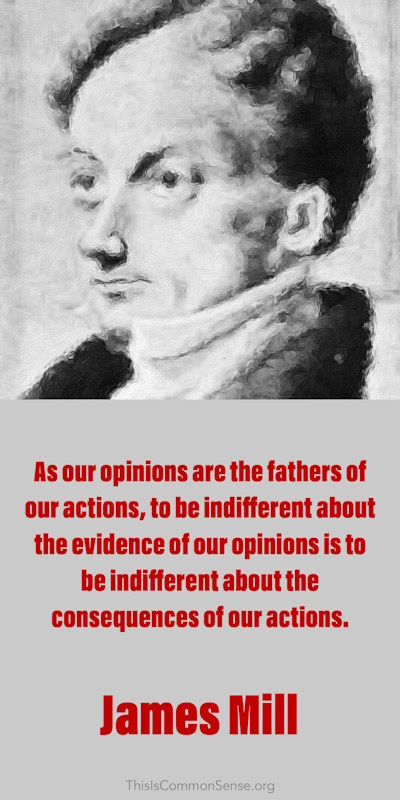
This habit of forming opinions, and acting upon them without evidence, is one of the most immoral habits of the mind. . . . As our opinions are the fathers of our actions, to be indifferent about the evidence of our opinions is to be indifferent about the consequences of our actions. But the consequences of our actions are the good and evil of our fellow-creatures. The habit of the neglect of evidence, therefore, is the habit of disregarding the good and evil of our fellow-creatures.

James Mill, The Westminster Review, Vol. 6 (1826), p. 13.
Categories
Thought

FDR

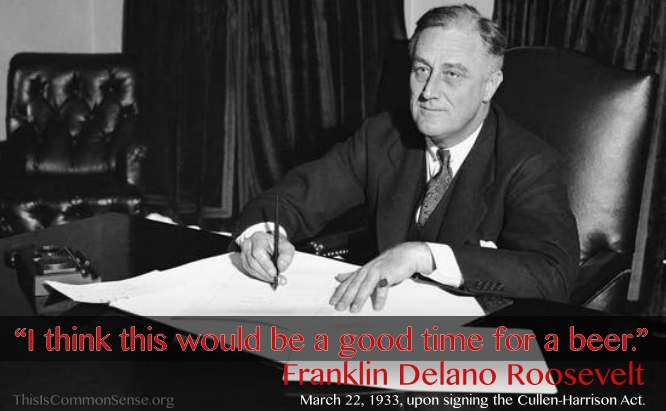
I think this would be a good time for a beer.

Franklin Delano Roosevelt, 32nd President of the United States, March 22, 1933.
Categories
Thought

William Harvey

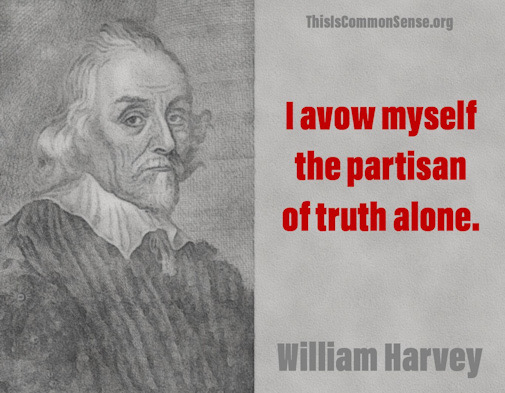
I avow myself the partisan of truth alone.

William Harvey, “Dedication to Dr. Argent and Other Learned Physicians,” Exercitatio Anatomica de Motu Cordis et Sanguinis (1628).

Categories
Thought

Ariston

oratory

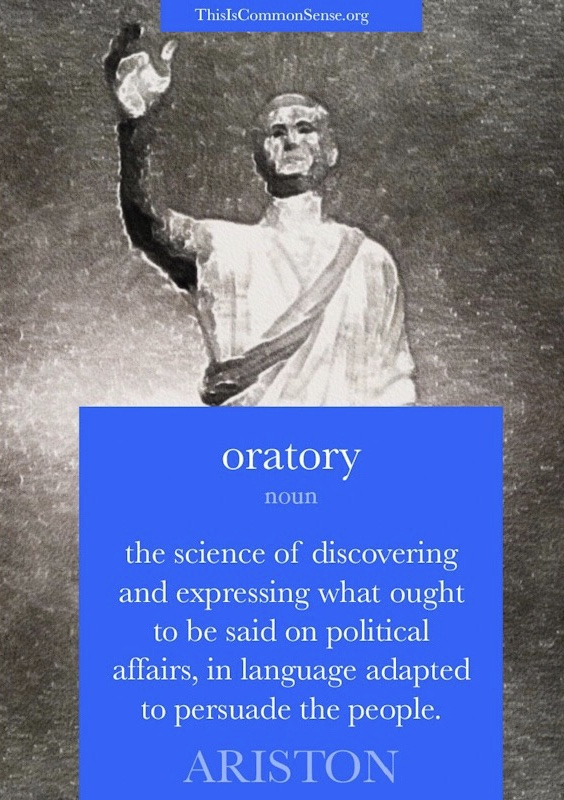
noun : the science of discovering and expressing what ought to be said on political affairs, in language adapted to persuade the people.

Definition of Ariston, disciple of Critolaus, as quoted in Quintilian, The Institutes of Oratory (Rev. John Selby Watson, translator, London: Bell & Daldy, 1873), p. 143.