Rights are lost by disuse.
Legal maxim, reported in Henry Louis Mencken, A new dictionary of quotations on historical principles from ancient and modern sources (1946), p. 1044.
Categories
…of rights….

Rights are lost by disuse.
Legal maxim, reported in Henry Louis Mencken, A new dictionary of quotations on historical principles from ancient and modern sources (1946), p. 1044.
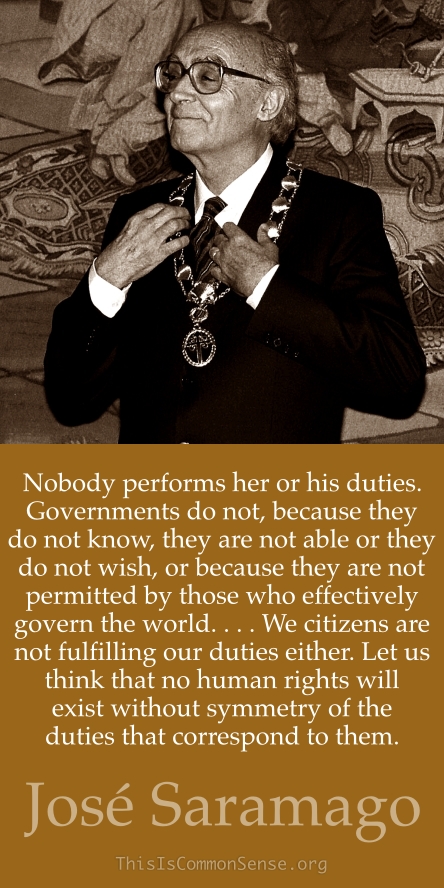
Nobody performs her or his duties. Governments do not, because they do not know, they are not able or they do not wish, or because they are not permitted by those who effectively govern the world: The multinational and pluricontinental companies whose power — absolutely non-democratic — reduce to next to nothing what is left of the ideal of democracy. We citizens are not fulfilling our duties either. Let us think that no human rights will exist without symmetry of the duties that correspond to them. It is not to be expected that governments in the next 50 years will do it. Let us common citizens therefore speak up. With the same vehemence as when we demanded our rights, let us demand responsibility over our duties. Perhaps the world could turn a little better.
José Saramago, Nobel banquet speech (December 10, 1998).
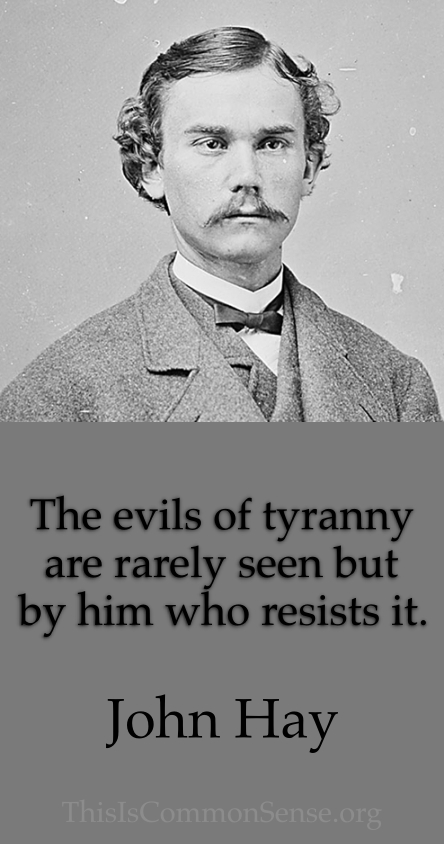
The evils of tyranny are rarely seen but by him who resists it.
John Hay, Castilian Days (1871; 1899), p. 28.

If you attempt by legislation to give any direction to trade or industry, it is a thousand to one that you are doing wrong; and if you happen to be right, it is work of supererogation, for the parties for whom you legislate would go right without you, and better than with you.
Richard Cobden, Speech in the House of Commons (February 27, 1846).
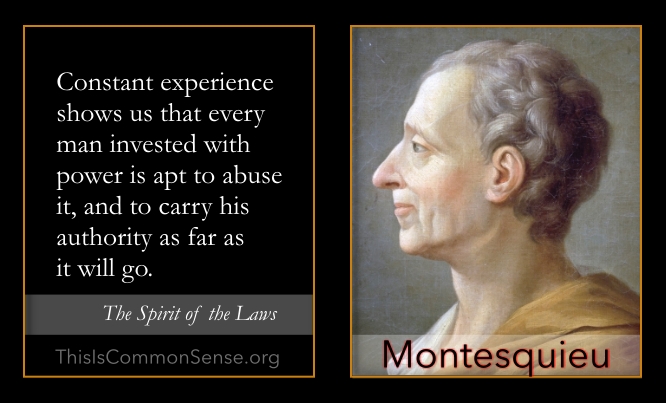
But constant experience shows us that every man invested with power is apt to abuse it, and to carry his authority as far as it will go.
Charles de Montesquieu, The Spirit of the Laws (1748 ).
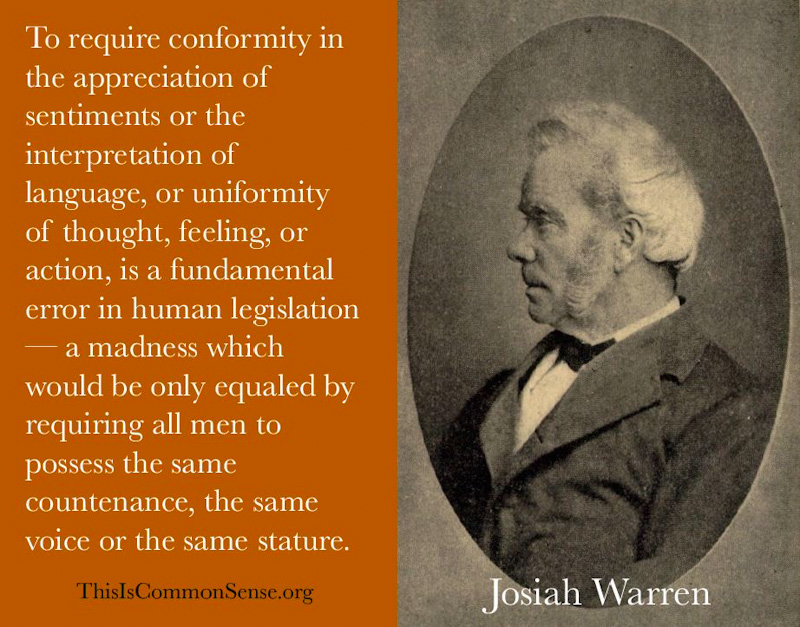
To require conformity in the appreciation of sentiments or the interpretation of language, or uniformity of thought, feeling, or action, is a fundamental error in human legislation — a madness which would be only equaled by requiring all men to possess the same countenance, the same voice or the same stature.
Josiah Warren, Equitable Commerce (1852).
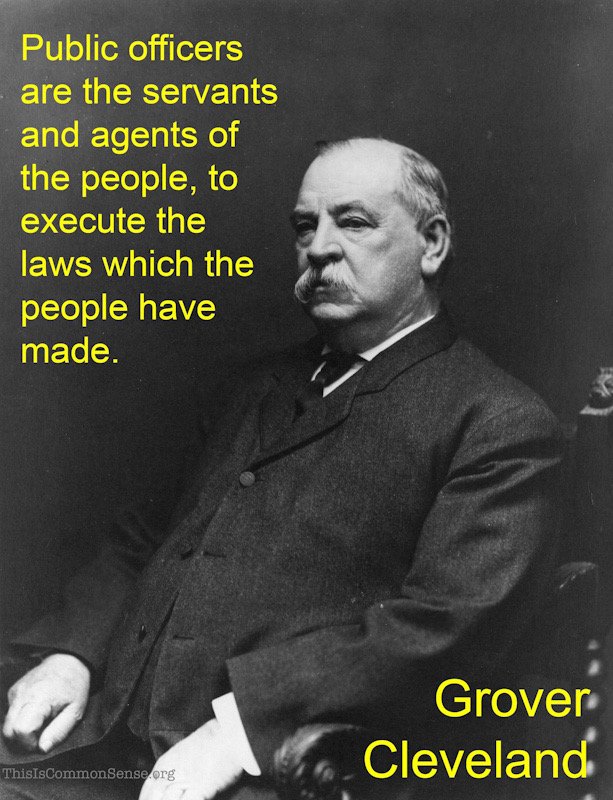
Public officers are the servants and agents of the people, to execute the laws which the people have made.
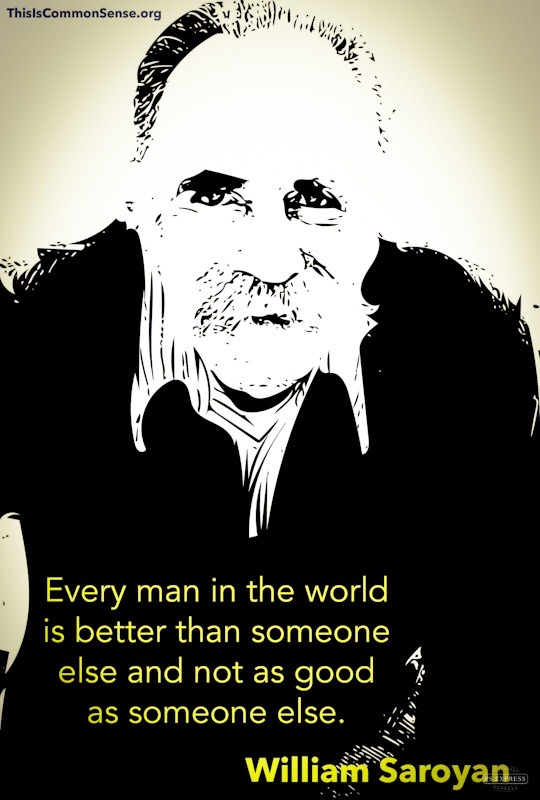
Every man in the world is better than someone else and not as good as someone else.
William Saroyan, The Resurrection of a Life (1935).
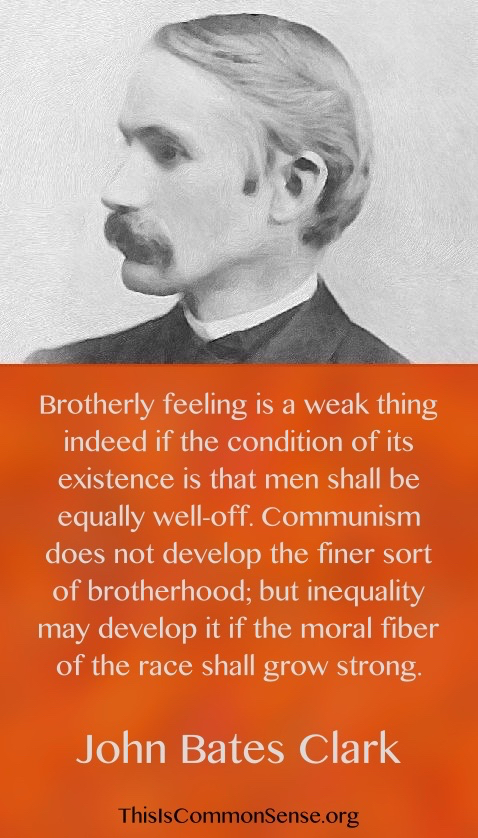
Brotherly feeling is a weak thing indeed if the condition of its existence is that men shall be equally well-off. Communism does not develop the finer sort of brotherhood; but inequality may develop it if the moral fiber of the race shall grow strong.
John Bates Clark, “The Demos of the Future,” Independent (July 18, 1901), in The Annals of America (Encyclopedia Britannica, 1976), Vol. 12.
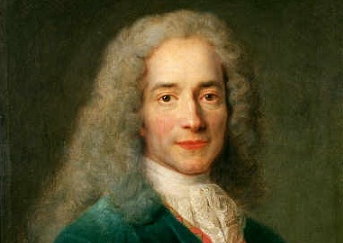
Every man is guilty of all the good he didn’t do.