Categories
Thought

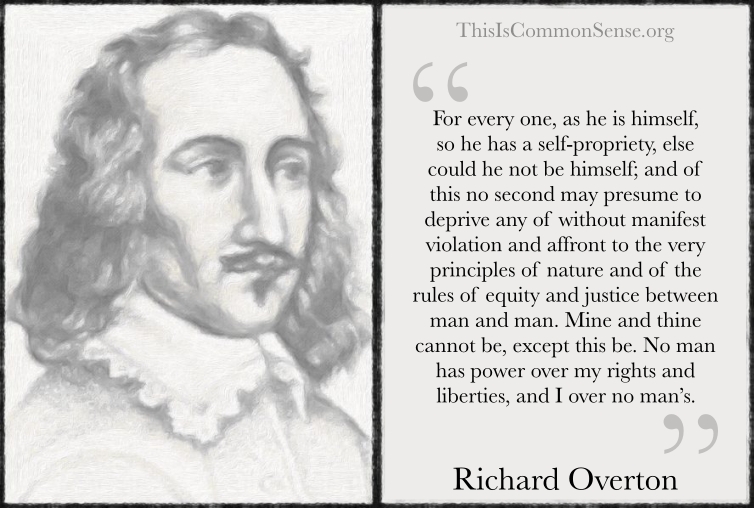
Richard Overton

For every one, as he is himself, so he has a self-propriety, else could he not be himself; and of this no second may presume to deprive any of without manifest violation and affront to the very principles of nature and of the rules of equity and justice between man and man. Mine and thine cannot be, except this be. No man has power over my rights and liberties, and I over no man’s. I may be but an individual, enjoy my self and my self-propriety and may right myself no more than my self, or presume any further; if I do, I am an encroacher and an invader upon another man’s right — to which I have no right. For by natural birth all men are equally and alike born to like propriety, liberty and freedom. . . .

From “Richard Overton shoots An Arrow against all Tyrants from the prison of Newgate into the prerogative bowels of the arbitrary House of Lords and all other usurpers and tyrants whatsoever” (1646).
Categories
Thought

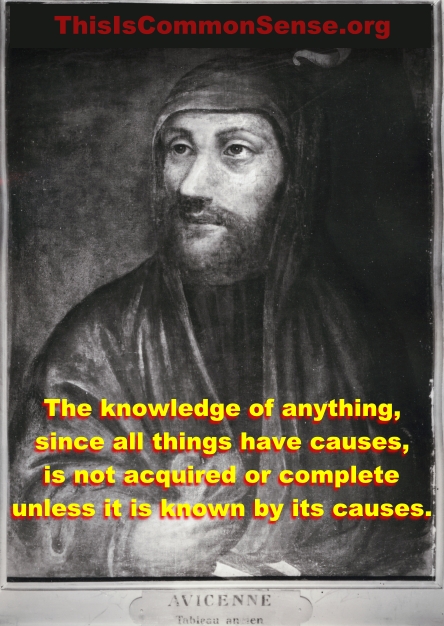
Avicenna

The knowledge of anything, since all things have causes, is not acquired or complete unless it is known by its causes.

Avicenna, On Medicine.
Categories
Thought

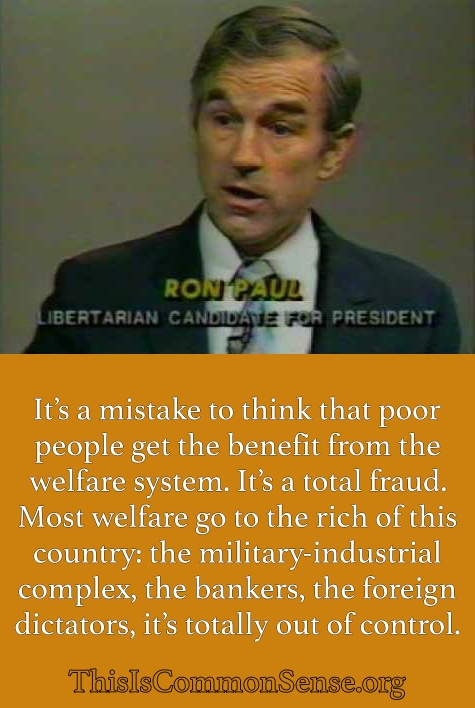
Ron Paul

It’s a mistake to think that poor people get the benefit from the welfare system. It’s a total fraud. Most welfare go to the rich of this country: the military-industrial complex, the bankers, the foreign dictators, it’s totally out of control. 

Dr. Ron Paul, television interview while running for the presidency as a Libertarian in 1987.

Categories
Thought

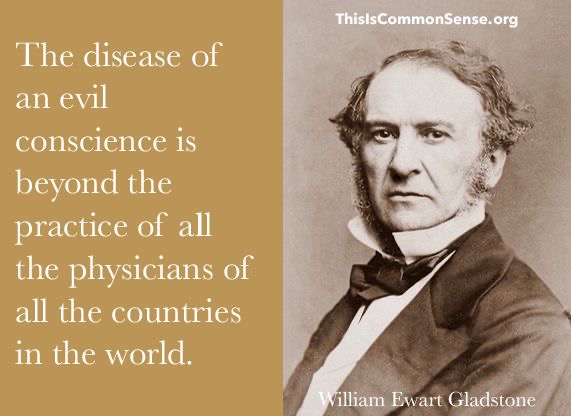
William Ewart Gladstone

The disease of an evil conscience is beyond the practice of all the physicians of all the countries in the world.

Categories
Thought

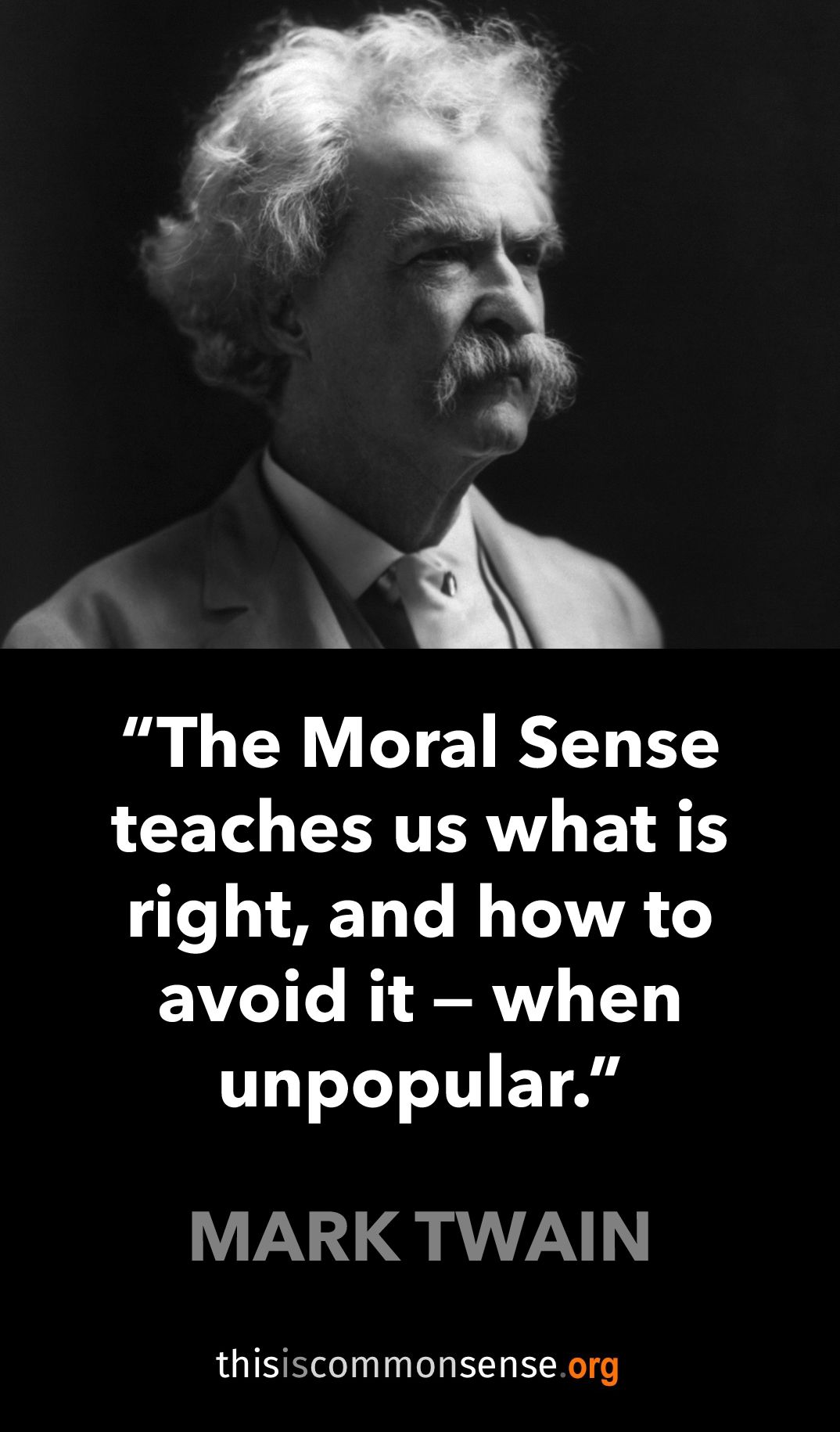
Mark Twain

The Moral Sense teaches us what is right, and how to avoid it — when unpopular.

Mark Twain, “The United States of Lyncherdom” (1901), first printed in Albert Bigelow Paine, ed., Europe and Elsewhere (1914).

Categories
Thought

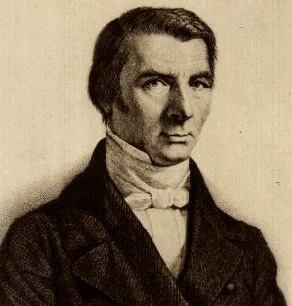
Frédéric Bastiat

Nature has provided, by means as simple as they are infallible, that there should be dispersion, diffusion, coordination, simultaneous progress, all constituting a state of things that your restrictive laws paralyze as much as they can; for the tendency of such laws is, by isolating communities, to render the diversity of condition much more marked, to prevent equalization, hinder integration, neutralize countervailing circumstances, and segregate nations, whether in their superiority or in their inferiority of condition.

Frédéric Bastiat, from Economic Sophisms, “To Equalize the Conditions of Production” — the “such laws” mentioned are protectionist measures, and protectionism was the chief target of Bastiat’s famous book.
Categories
Thought

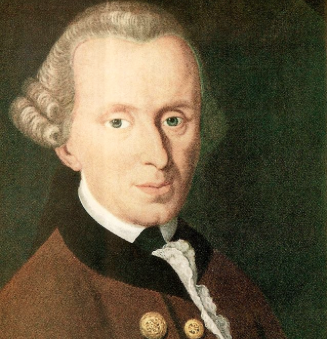
Immanuel Kant

Human freedom is realised in the adoption of humanity as an end in itself, for the one thing that no-one can be compelled to do by another is to adopt a particular end.

Immanuel Kant, Metaphysics of Morals (1797), Part Two: “Metaphysics of Virtue.”
Categories
Thought

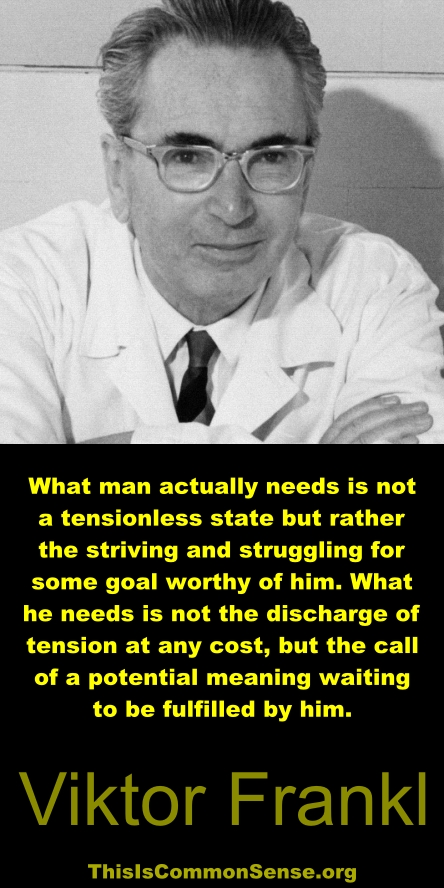
Viktor Frankl

What man actually needs is not a tensionless state but rather the striving and struggling for some goal worthy of him. What he needs is not the discharge of tension at any cost, but the call of a potential meaning waiting to be fulfilled by him.

Viktor Frankl, Man’s Search for Meaning (1946; 1959; 1984).
Categories
Thought

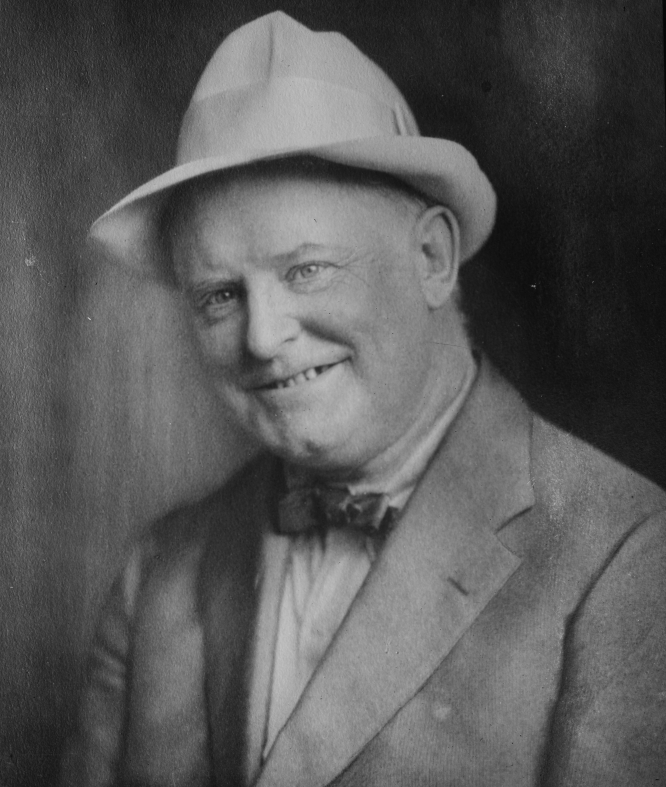
William Allen White

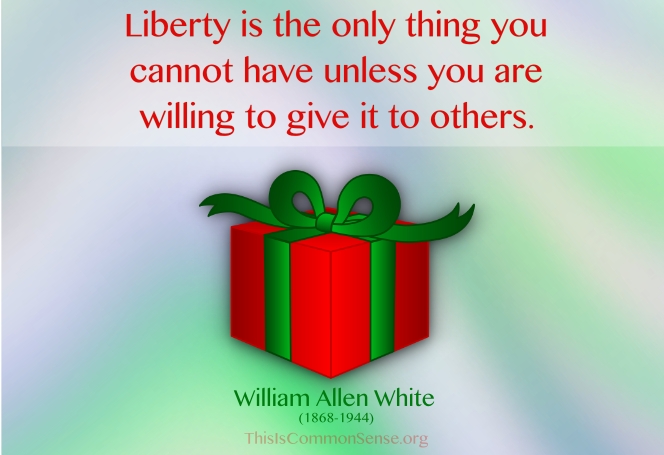
Liberty is the only thing you cannot have unless you are willing to give it to others.

William Allen White (February 10, 1868 – January 31, 1944),
photograph courtesy Library of Congress.
Categories
Thought

George Orwell

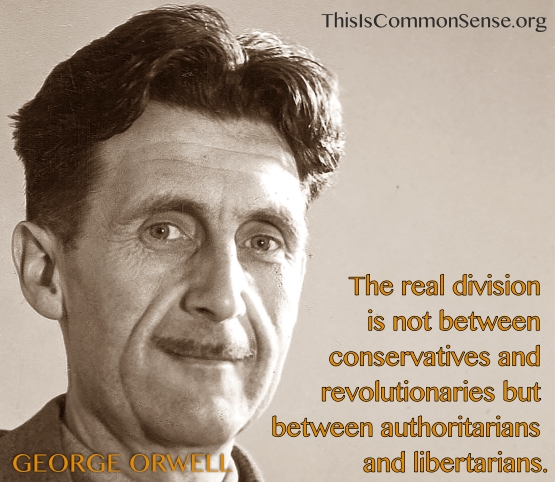
The real division is not between conservatives and revolutionaries but between authoritarians and libertarians.

George Orwell, letter to Malcolm Muggeridge, December 4, 1948.