Categories
Thought

Egyptian scribe

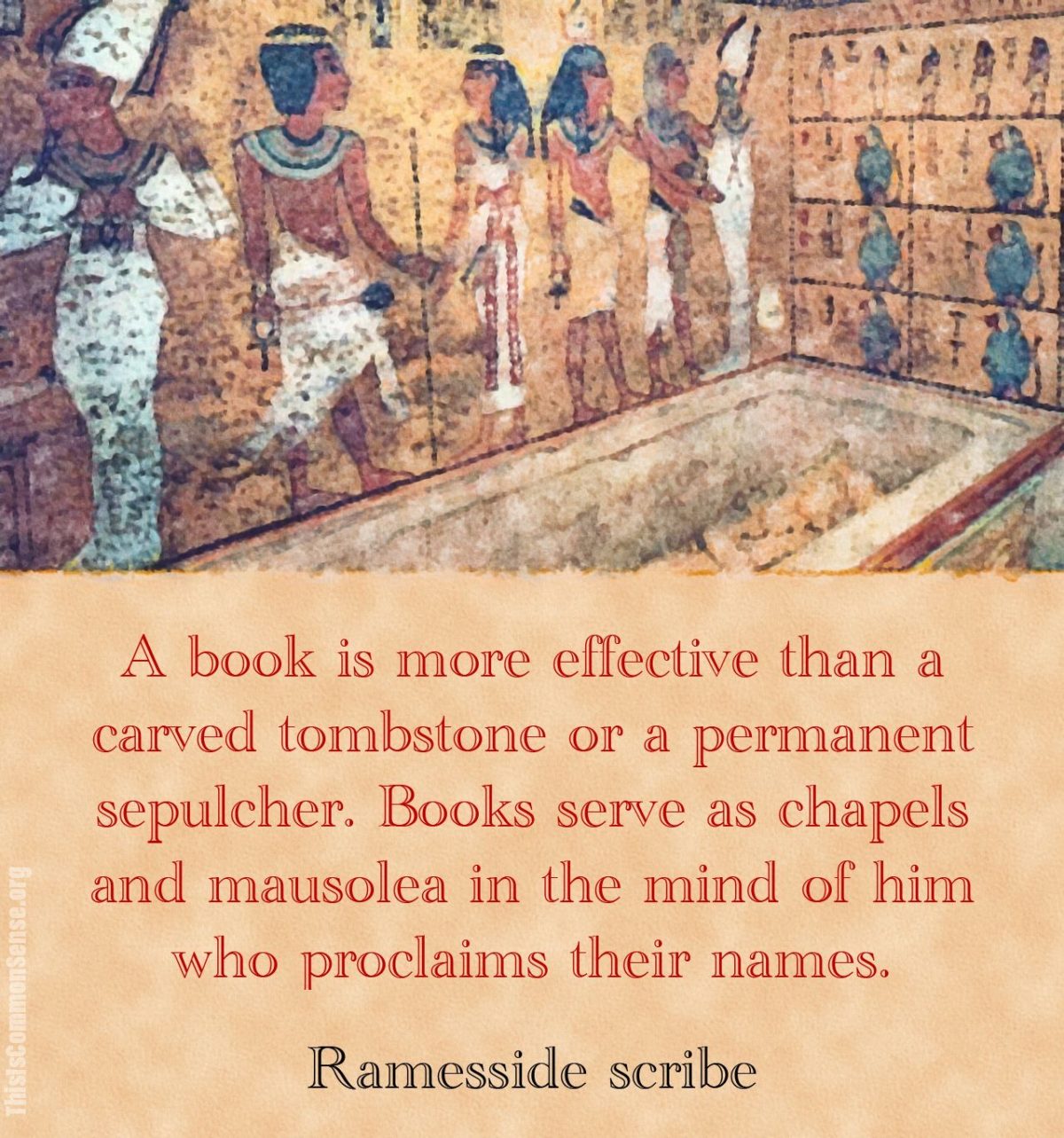
A book is more effective than a carved tombstone or a permanent sepulcher. They serve as chapels and mausolea in the mind of him who proclaims their names.

Papyrus Chester Beatty IV, a Ramesside document, British Museum (10684), in “Be a Writer,” Toby Wilkinson, translator and editor, Writings from Ancient Egypt (Penguin Classics 2016). [edited for clarity in image]

Categories
Thought

Wilhelm von Humboldt

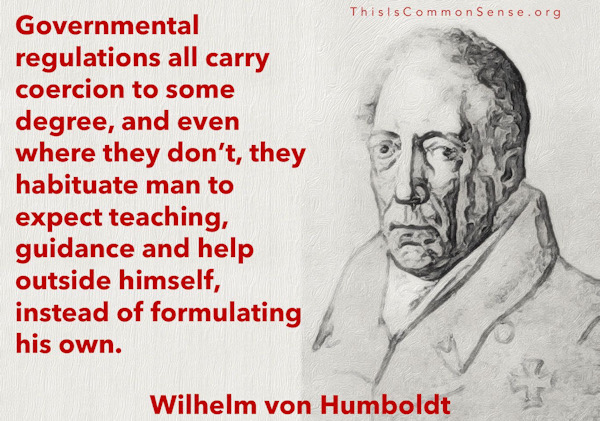
Governmental regulations all carry coercion to some degree, and even where they don’t, they habituate man to expect teaching, guidance and help outside himself, instead of formulating his own.

Wilhelm von Humboldt, as quoted in David Sidorsky, The Liberal Tradition in European Thought (1971), p. 73.

Categories
Thought

Carl von Clausewitz

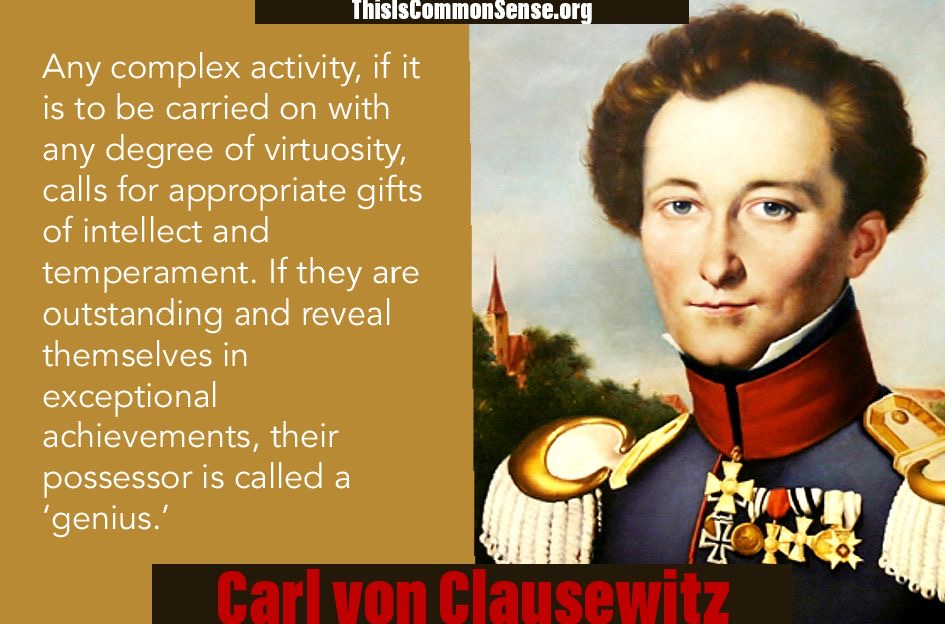
Any complex activity, if it is to be carried on with any degree of virtuosity, calls for appropriate gifts of intellect and temperament. If they are outstanding and reveal themselves in exceptional achievements, their possessor is called a ‘genius.’

Carl von Clausewitz, On War (1832), Book One.
Categories
Thought

Aldous Huxley

“Free as a bird,” we say, and envy the winged creatures for their power of unrestricted movement in all the three dimensions. But, alas, we forget the dodo. Any bird that has learned how to grub up a good living without being compelled to use its wings will soon renounce the privilege of flight and remain forever grounded. Something analogous is true of human beings. If the bread is supplied regularly and copiously three times a day, many of them will be perfectly content to live by bread alone — or at least by bread and circuses alone.

Aldous Huxley, Brave New World Revisited (1958).
Categories
Thought

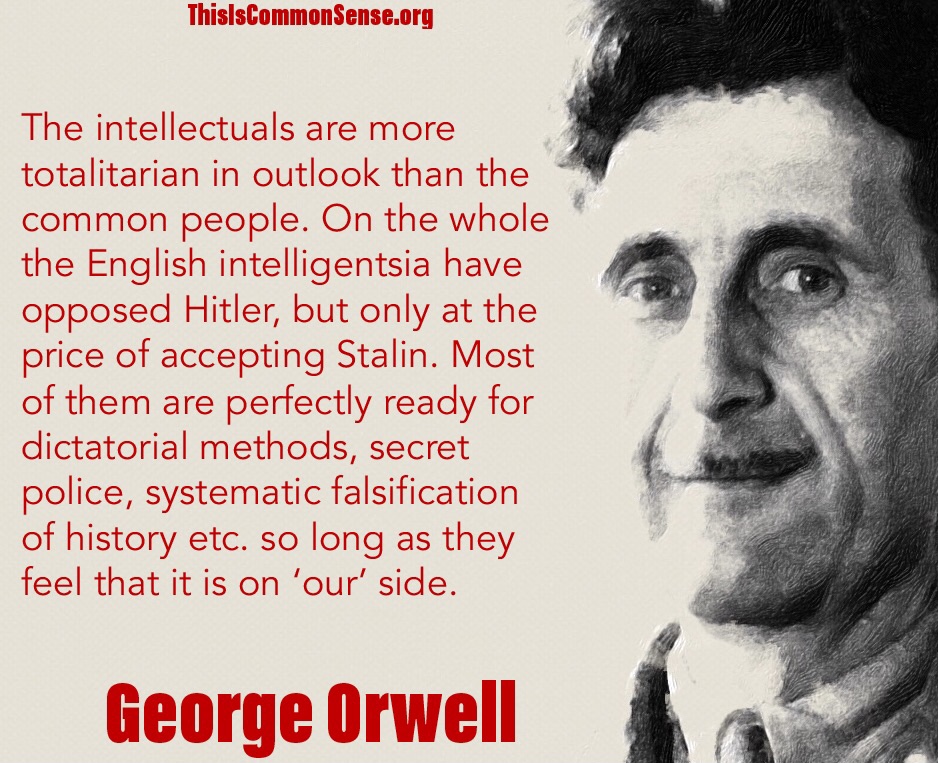
George Orwell

[T]here is the fact that the intellectuals are more totalitarian in outlook than the common people. On the whole the English intelligentsia have opposed Hitler, but only at the price of accepting Stalin. Most of them are perfectly ready for dictatorial methods, secret police, systematic falsification of history etc. so long as they feel that it is on ‘our’ side.

George Orwell, letter to H. J. Willmett (May 18, 1944), published in The Collected Essays, Journalism, & Letters, George Orwell: As I Please, 1943-1945 (2000), edited by Sonia Orwell and Ian Angus.
Categories
Thought

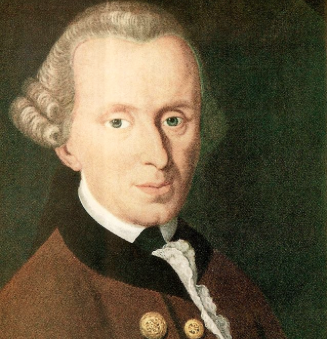
Immanuel Kant

Reason does not work instinctively, but requires trial, practice, and instruction in order to gradually progress from one level of insight to another.

Categories
Thought

David Ricardo

Under a system of perfectly free commerce, each country naturally devotes its capital and labour to such employments as are most beneficial to each. This pursuit of individual advantage is admirably connected with the with the universal good of the whole. By stimulating industry, by rewarding ingenuity, and by using most efficaciously the peculiar powers bestowed by nature, it distributes labour most effectively and most economically: while, by increasing the general mass of productions, it diffuses general benefit, and binds together, by one common tie of interest and intercourse, the universal society of nations throughout the civilized world.

Categories
Thought

Joss Whedon

Xander: This is just too much. I mean, yesterday my life’s like, ‘Uh-oh, pop quiz.’ Today it’s ‘Rain of Toads.’

Willow: I know. And everyone else thinks it’s just a normal day.

Xander: Nobody knows. It’s like we’ve got this big secret.

Willow: We do. That’s what a secret is, when you know something other guys don’t.

Joss Whedon, writing credits for (and creator of) Buffy the Vampire Slayer, Season One; Episode Two: “The Harvest,” March 10, 1997.
Categories
Thought

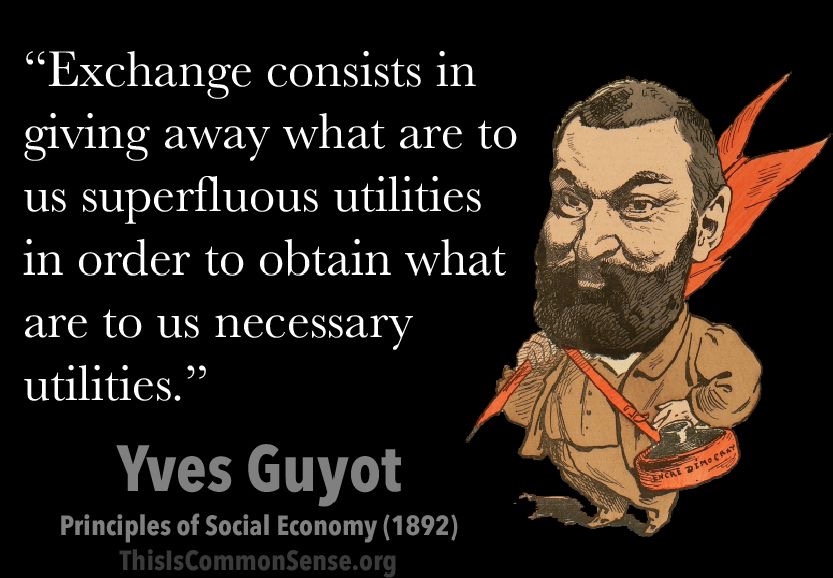
Yves Guyot

With the development of civilisation, man’s wants become more various, and his aptitudes more specialised. The consequence is, that he can produce more utilities than before; but these utilities are more limited in their nature; they are all of one kind. He now produces, not so much what he wants, as what others want. Hence it comes to pass that exchange becomes an ever more imperious necessity; for exchange consists in giving away what are to us superfluous utilities in order to obtain what are to us necessary utilities.

Yves Guyot, Principles of Social Economy (1892).
Categories
Thought

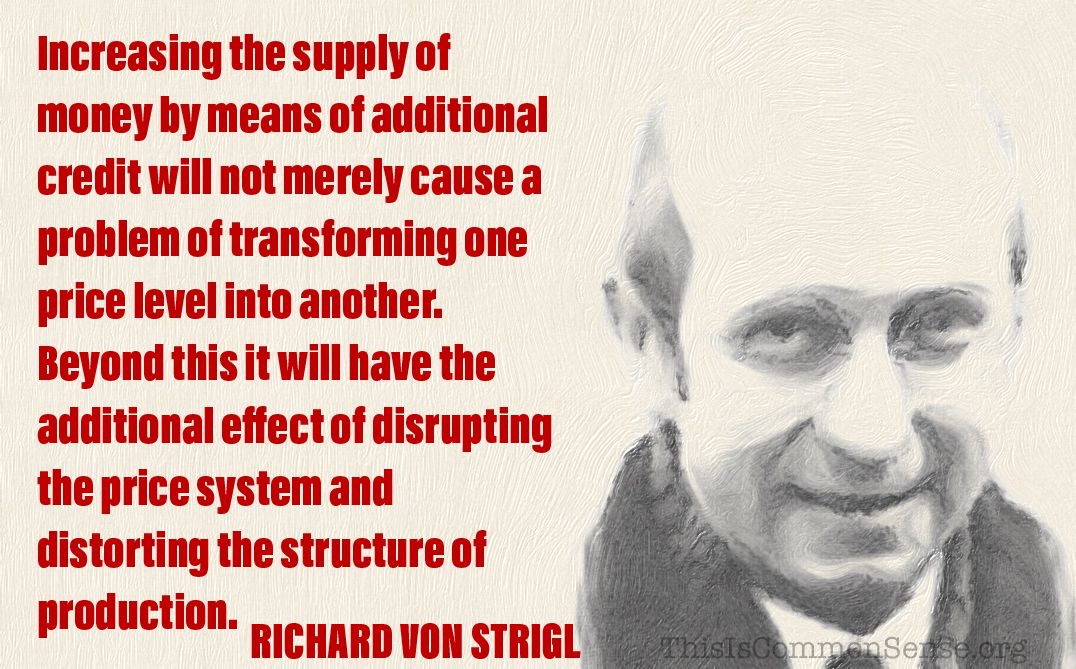
Richard von Strigl

[I]ncreasing the supply of money by means of additional credit will not merely cause a problem of transforming one price level into another. Beyond this it will have the additional effect of disrupting the price system and distorting the structure of production.

Richard von Strigl, Capital and Production (1934; Margaret Rudelich Hoppe and Hans-Hermann Hoppe, translators, 2000), final paragraph.