In terra di ciechi chi vi ha un occhio è signore.
In the land of the blind the one-eyed man is king.
Niccolò Machiavelli, The Mandrake, Act III, scene ix.
In terra di ciechi chi vi ha un occhio è signore.
In the land of the blind the one-eyed man is king.
Niccolò Machiavelli, The Mandrake, Act III, scene ix.
It is seldom, that liberty of any kind is lost all at once. Slavery has so frightful an aspect to men accustomed to freedom, that it must steal upon them by degrees, and must disguise itself in a thousand shapes, in order to be received.
A revolution does within two days the work of two years; thereafter it undoes within two months the work of two centuries.
Paul Valéry, quoted by André Maurois in his introduction to Anatole France’s The Gods Are A-thirst (Nonesuch Press, 1942).
Generally speaking, the errors in religion are dangerous; those in philosophy only ridiculous.
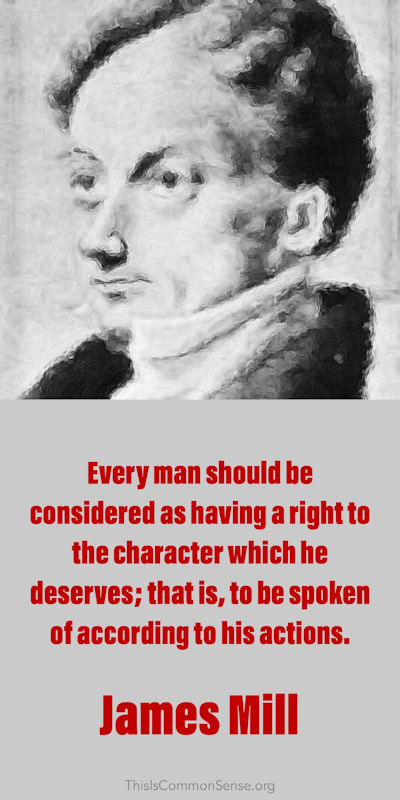
Every man should be considered as having a right to the character which he deserves; that is, to be spoken of according to his actions.
If the natural tendencies of mankind are so bad that it is not safe to permit people to be free, how is it that the tendencies of these organizers are always good? Do not the legislators and their appointed agents also belong to the human race? Or do they believe that they themselves are made of a finer clay than the rest of mankind?
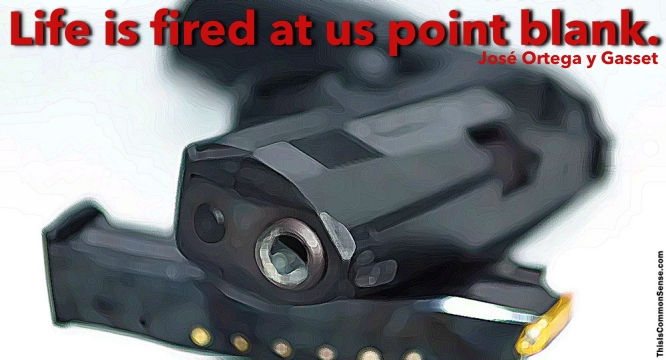
Life is fired at us point blank.
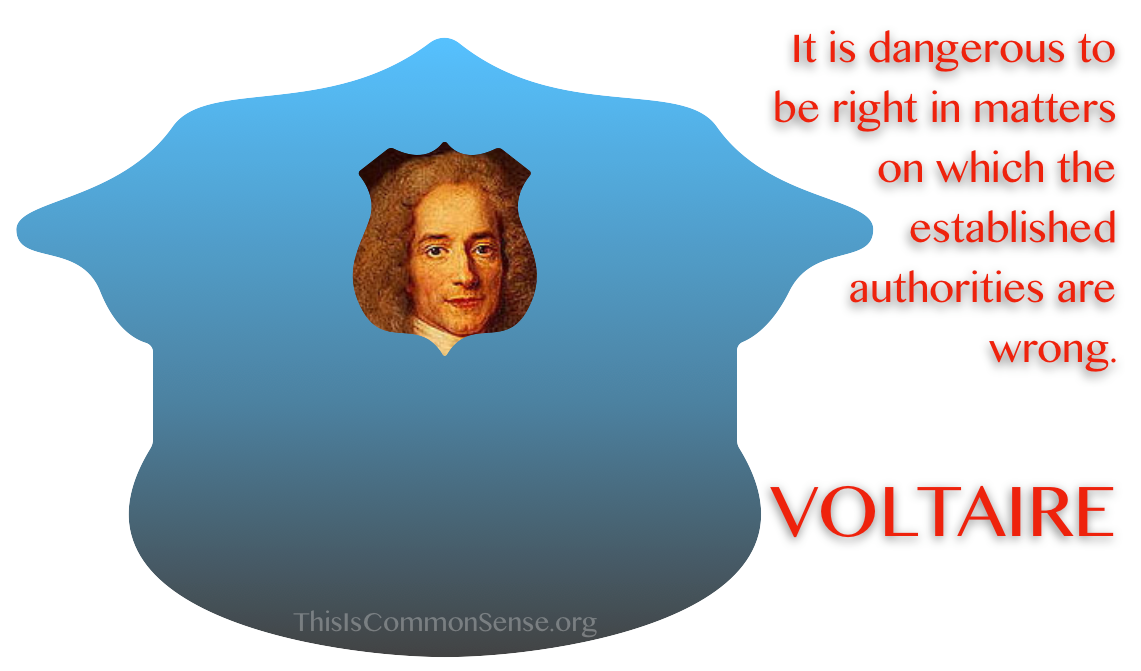
It is dangerous to be right in matters on which the established authorities are wrong.
Whether he be an original or a plagiarist, man is the novelist of himself.
José Ortega y Gasset, “Man has no nature,” in History as a System (1962).
It is pointless to do with more what can be done with fewer.
This statement, and others like it in William of Ockham’s work, has led philosophers to express the idea with precision as “Ockham’s razor” — specifically, in the phrase, nowhere found in Ockham, of “Don’t multiply [explanatory] entities beyond necessity.”