Categories
Thought

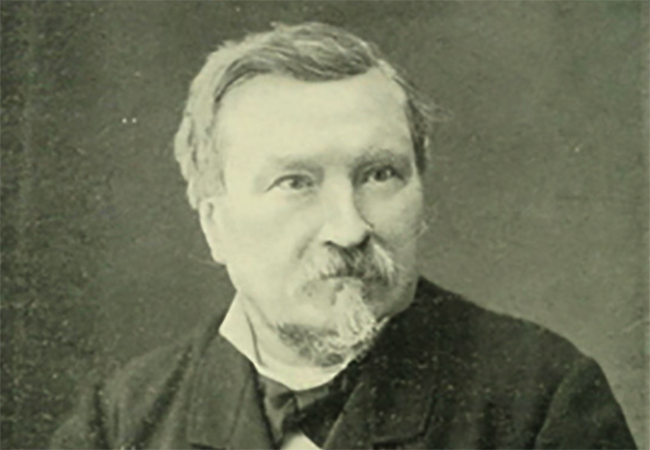
Herbert Spencer

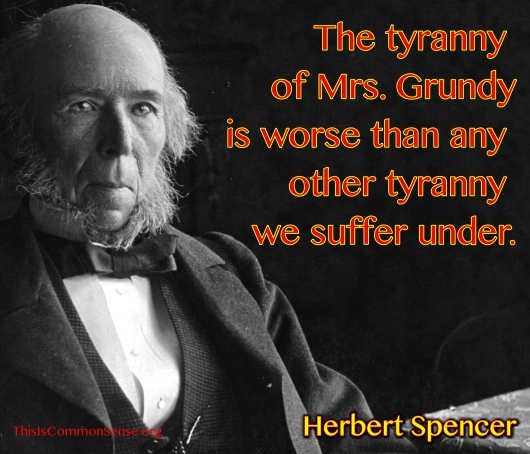
The tyranny of Mrs. Grundy is worse than any other tyranny we suffer under.

Herbert Spencer, “On Manners and Fashion,” The Westminster Review (April 1854), as reprinted in Essays: Scientific, Political and Speculative, Vol. III (D. Appleton, 1891).
Categories
Thought

Ortega y Gasset

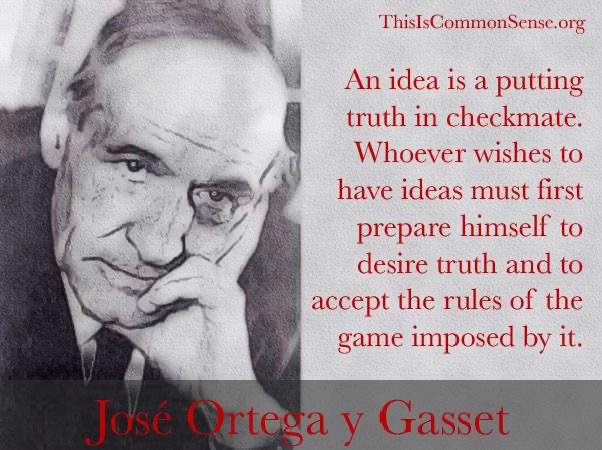
An idea is a putting truth in checkmate. Whoever wishes to have ideas must first prepare himself to desire truth and to accept the rules of the game imposed by it. It is no use speaking of ideas when there is no acceptance of a higher authority to regulate them, a series of standards to which it is possible to appeal in a discussion.

José Ortega y Gasset, The Revolt of the Masses (1929), Chap. VIII: “The Masses Intervene In Everything, And Why Their Intervention Is Solely By Violence.”
Categories
Thought

F. Marion Crawford

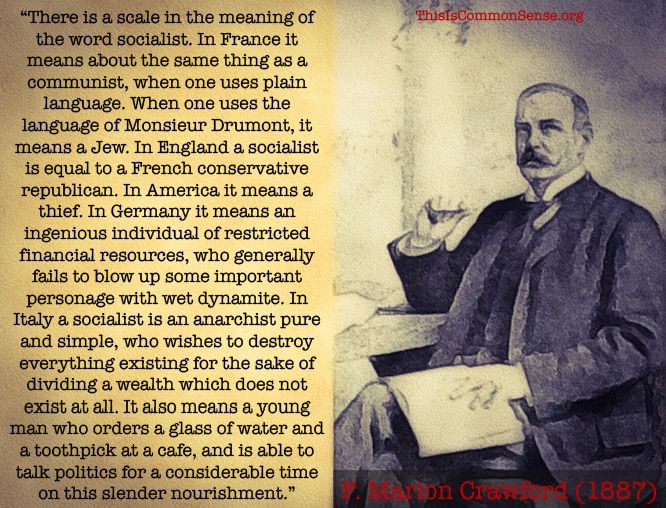
There is a scale in the meaning of the word socialist. In France it means about the same thing as a communist, when one uses plain language. When one uses the language of Monsieur Drumont, it means a Jew. In England a socialist is equal to a French conservative republican. In America it means a thief. In Germany it means an ingenious individual of restricted financial resources, who generally fails to blow up some important personage with wet dynamite. In Italy a socialist is an anarchist pure and simple, who wishes to destroy everything existing for the sake of dividing a wealth which does not exist at all. It also means a young man who orders a glass of water and a toothpick at a cafe, and is able to talk politics for a considerable time on this slender nourishment.

Francis Marion Crawford, Marzio’s Crucifix (1887).
Categories
Thought

Søren Kierkegaard

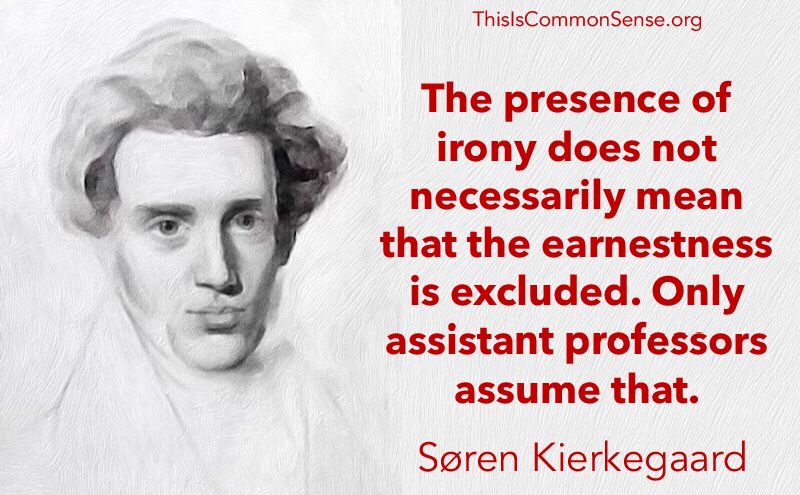
The presence of irony does not necessarily mean that the earnestness is excluded. Only assistant professors assume that.

Søren Kierkegaard, Concluding Unscientific Postscript to Philosophical Fragments (1846), Appendix: A Glance at Contemporary Effort in Danish Literature.
Categories
Thought

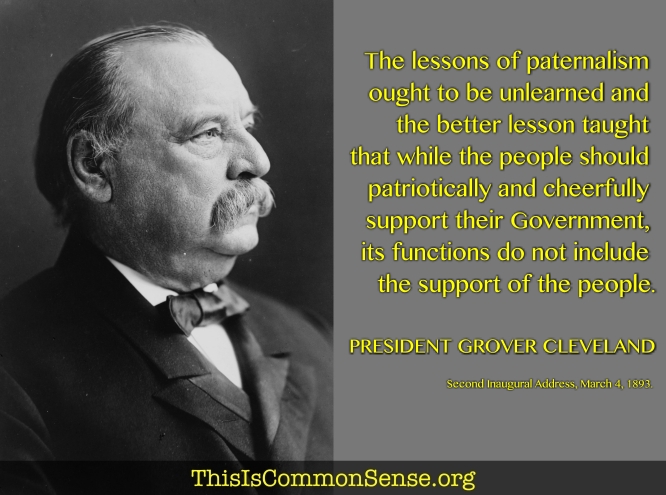
President Grover Cleveland

The lessons of paternalism ought to be unlearned and the better lesson taught that while the people should patriotically and cheerfully support their Government, its functions do not include the support of the people.

Stephen Grover Cleveland, Second Inaugural Address, March 4, 1893.
Categories
Thought

Gustave de Molinari

War has ceased to be productive of security, but the masses, whose existence depends upon the industries of production, are compelled to pay its costs and suffer its losses without either receiving compensation or possessing means to end the contradiction. Governments do possess this power, but if the interests of governments ultimately coincide with the interests of the governed they are, in the first instance, opposed to them.

Governments are enterprises — in commercial language, “concerns” — which produce certain services, the chief of which are internal and external security. The directors of these enterprises — the civil and military chiefs and their staffs — are naturally interested in their aggrandizement on account of the material and moral benefits which such aggrandizement secures to themselves. Their home policy is therefore to augment their own functions within the State by arrogating ground properly belonging to other enterprises; abroad they enlarge their domination by a policy of territorial expansion. It is nothing to them if these undertakings do not prove remunerative, since all costs, whether of their services or of their conquests, are borne by the nations which they direct.

Gustave de Molinari, The Society of To-morrow (1899)
Categories
Thought

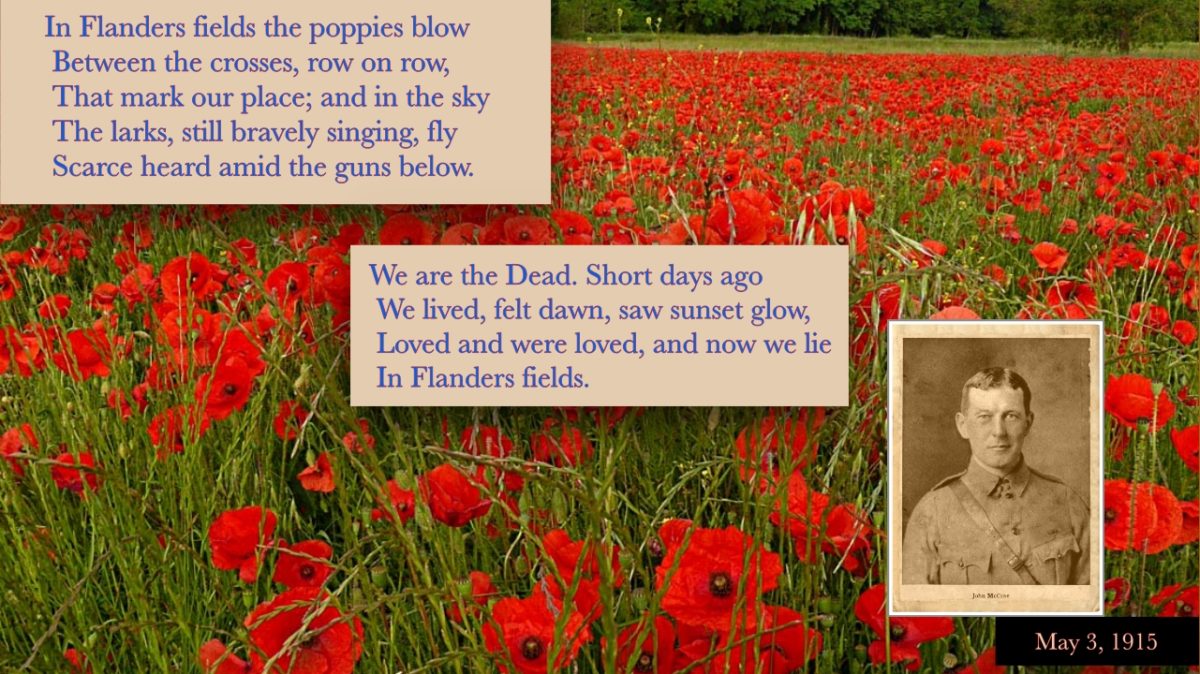
Lieutenant Colonel John McCrae

In Flanders fields the poppies blow
Between the crosses, row on row,
That mark our place; and in the sky
The larks, still bravely singing, fly
Scarce heard amid the guns below.
We are the Dead. Short days ago
We lived, felt dawn, saw sunset glow,
Loved and were loved, and now we lie
In Flanders fields.
Take up our quarrel with the foe:
To you from failing hands we throw
The torch; be yours to hold it high.
If ye break faith with us who die
We shall not sleep, though poppies grow
In Flanders fields.


Categories
Thought

Vannevar Bush

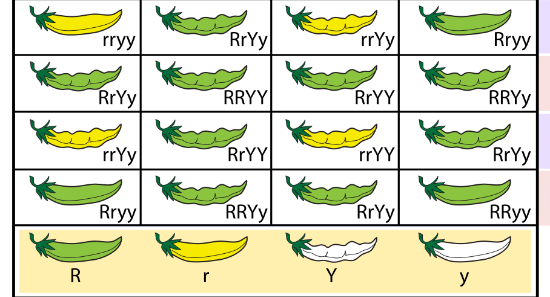
Mendel’s concept of the laws of genetics was lost to the world for a generation because his publication did not reach the few who were capable of grasping and extending it; and this sort of catastrophe is undoubtedly being repeated all about us, as truly significant attainments become lost in the mass of the inconsequential.

Categories
Thought

Voltaire

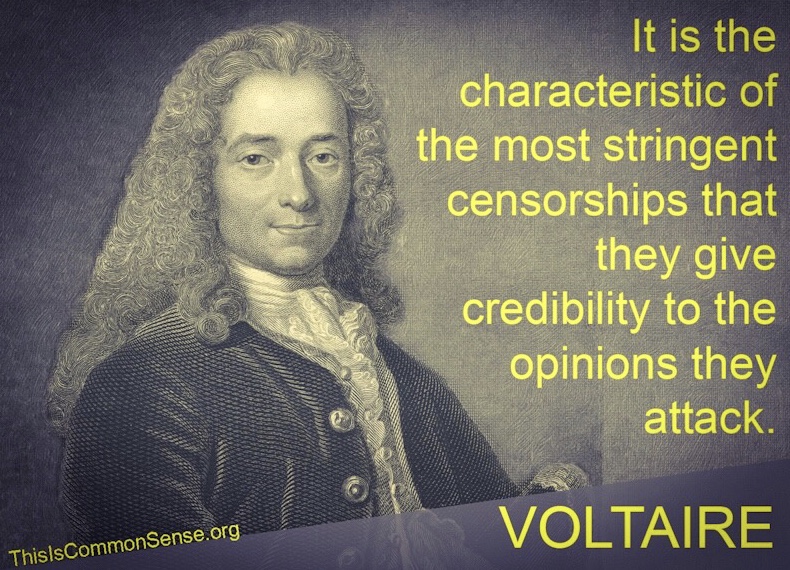
It is the characteristic of the most stringent censorships that they give credibility to the opinions they attack.

Categories
Thought

Herbert Spencer

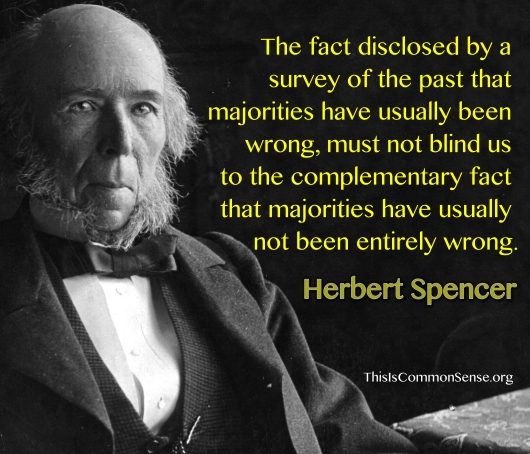
The fact disclosed by a survey of the past that majorities have usually been wrong, must not blind us to the complementary fact that majorities have usually not been entirely wrong.

Herbert Spencer, First Principles (1862): Pt. I, The Unknowable; Ch. I, Religion and Science.