Categories
Thought

Isaiah

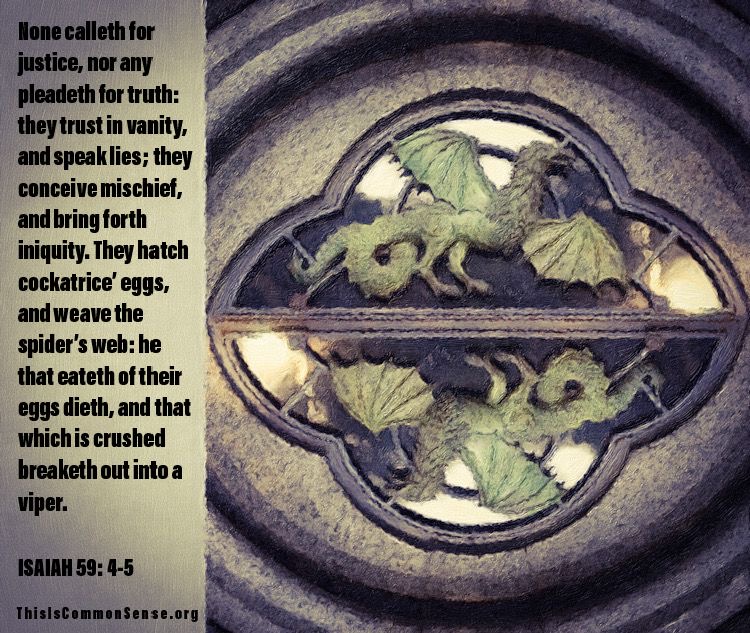
None calleth for justice, nor any pleadeth for truth: they trust in vanity, and speak lies; they conceive mischief, and bring forth iniquity. They hatch cockatrice’ eggs, and weave the spider’s web: he that eateth of their eggs dieth, and that which is crushed breaketh out into a viper.

Isaiah 59: 4-5. A cockatrice is a legendary winged dragon with a rooster’s head. Image features a decorative cockatrice figure over a door.
Categories
Accountability Thought

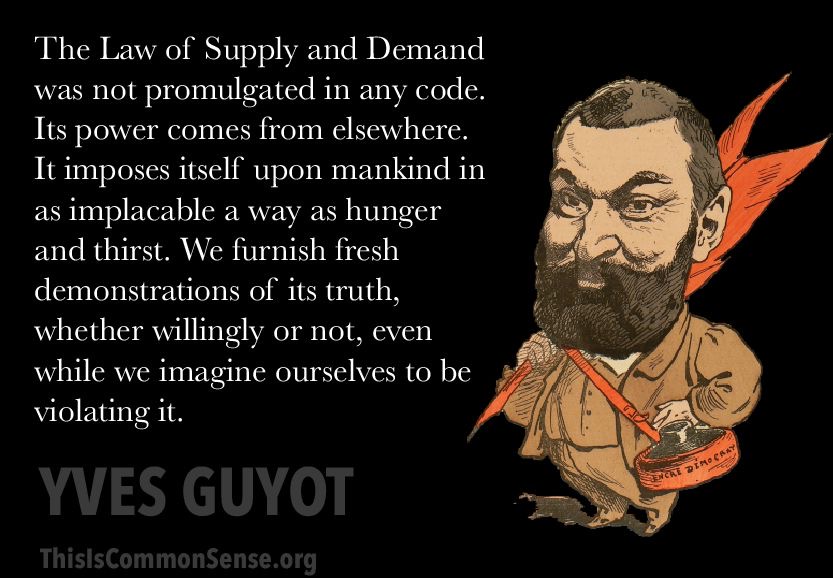
Yves Guyot

The Law of supply and demand was not promulgated in any code. Its power comes from elsewhere. It imposes itself upon mankind in as implacable a way as hunger and thirst. We furnish fresh demonstrations of its truth, whether willingly or not, even while we imagine ourselves to be violating it. If the Socialist excommunicates and abuses the economist, who formulates this law, he should also hold Newton responsible for all the tiles that fall on the heads of passers-by, and should declare that if some poor wretch, in throwing himself from a window, kills himself, it is the fault of those physicists who have discovered and taught the law of gravitation.

Yves Guyot, The Tyranny of Socialism (1894).
Categories
Thought

Seneca

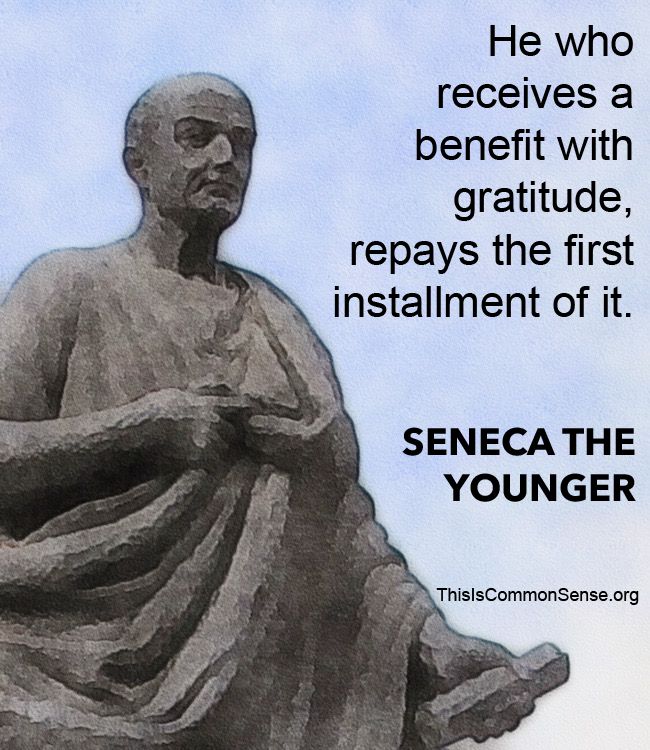
Qui grate beneficium accipit, primam eius pensionem solvit.

He who receives a benefit with gratitude, repays the first installment of it.

Seneca the Younger, De Beneficiis (On Benefits): Book 2, cap. 22, line 1.

Categories
Thought

Aristotle

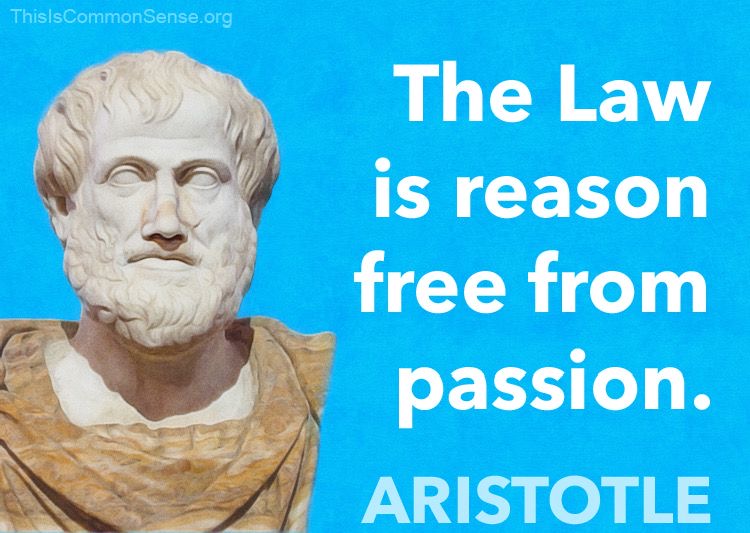
The Law is reason free from passion.

Aristotle, Politics, Book III, 1287a.32.

Categories
Thought

La Rochefoucauld

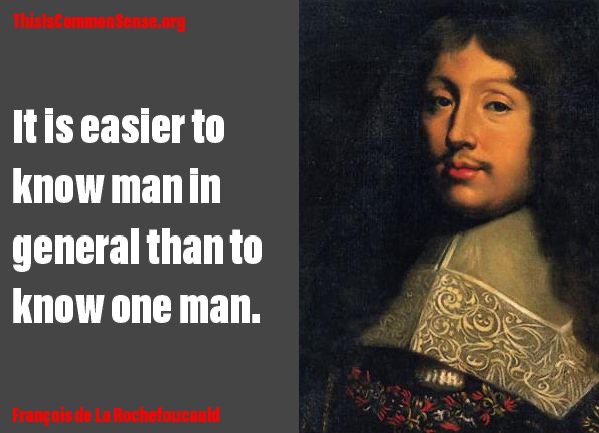
Il est plus aisé de connaître l’homme en général que de connaître un homme en particulier.

It is easier to know man in general than to know one man.

François de La Rochefoucauld, Reflections; or Sentences and Moral Maxims (1665–1678).
Categories
Thought

Marcus Aurelius

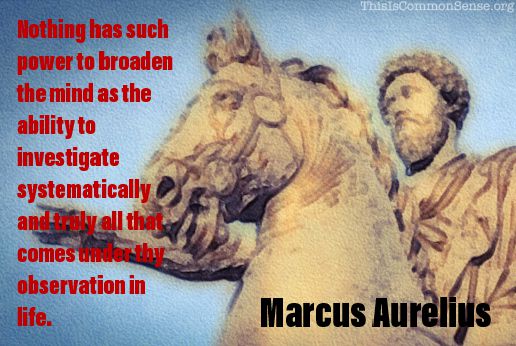
Nothing has such power to broaden the mind as the ability to investigate systematically and truly all that comes under thy observation in life.

Categories
Thought

Seneca

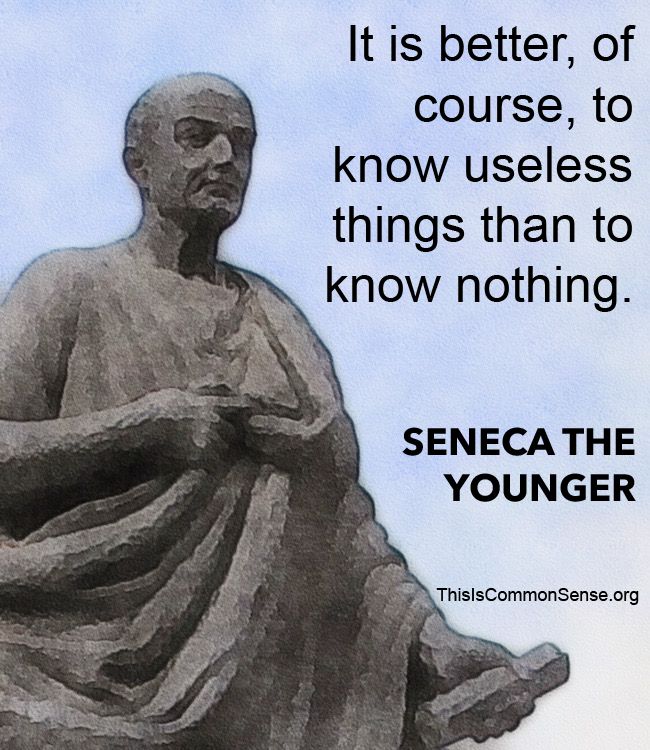
Satius est supervacua scire quam nihil.

It is better, of course, to know useless things than to know nothing.

Seneca the Younger, Letter LXXXVIII: “On liberal and vocational studies.”

Categories
Thought

Aristotle

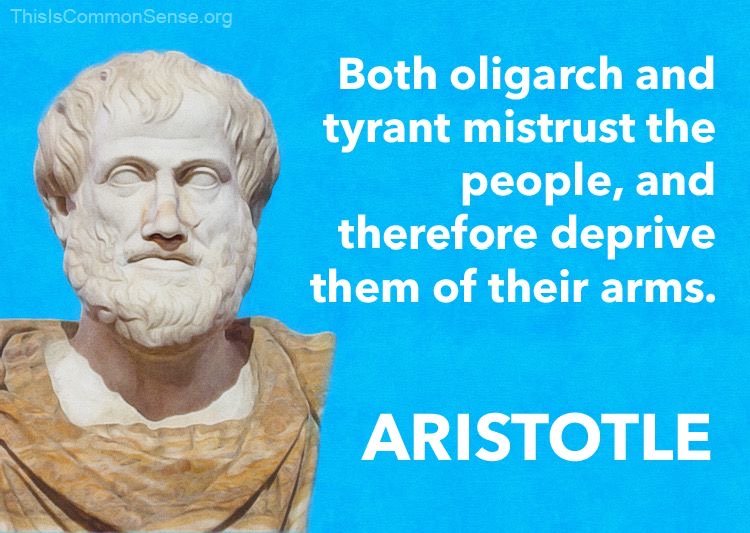
Both oligarch and tyrant mistrust the people, and therefore deprive them of their arms.

Aristotle, Politics, Book V, 1311a.11.
Categories
Thought

Plotinus

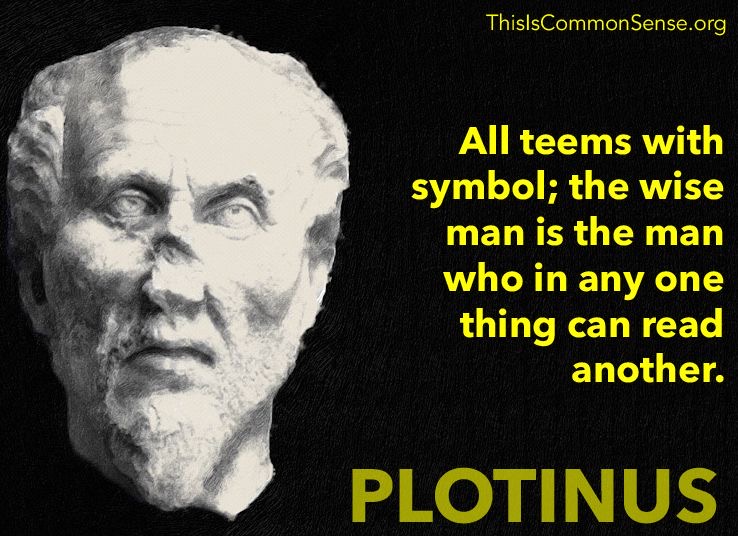
All teems with symbol; the wise man is the man who in any one thing can read another.

Plotinus, First Ennead, II.3.7.

Categories
Thought

Seneca

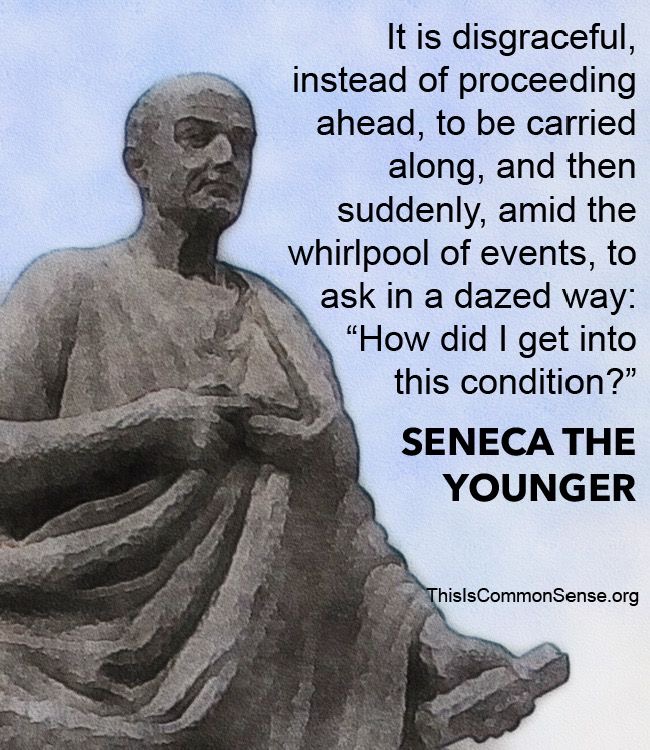
It is disgraceful, instead of proceeding ahead, to be carried along, and then suddenly, amid the whirlpool of events, to ask in a dazed way: “How did I get into this condition?”

Seneca the Younger, Letter XXXVII: “On Allegiance to Virtue.”