A man’s taste is formed more by his culture, his profession, and the period in which he is young than by his race or politics.
A.J. Liebling, The Road Back to Paris (1988).
Categories
A.J. Liebling
A man’s taste is formed more by his culture, his profession, and the period in which he is young than by his race or politics.
A.J. Liebling, The Road Back to Paris (1988).
Freedom of the press is guaranteed only to those who own one.
A.J. Liebling, “Do you belong in journalism?,” The New Yorker (May 14, 1960).
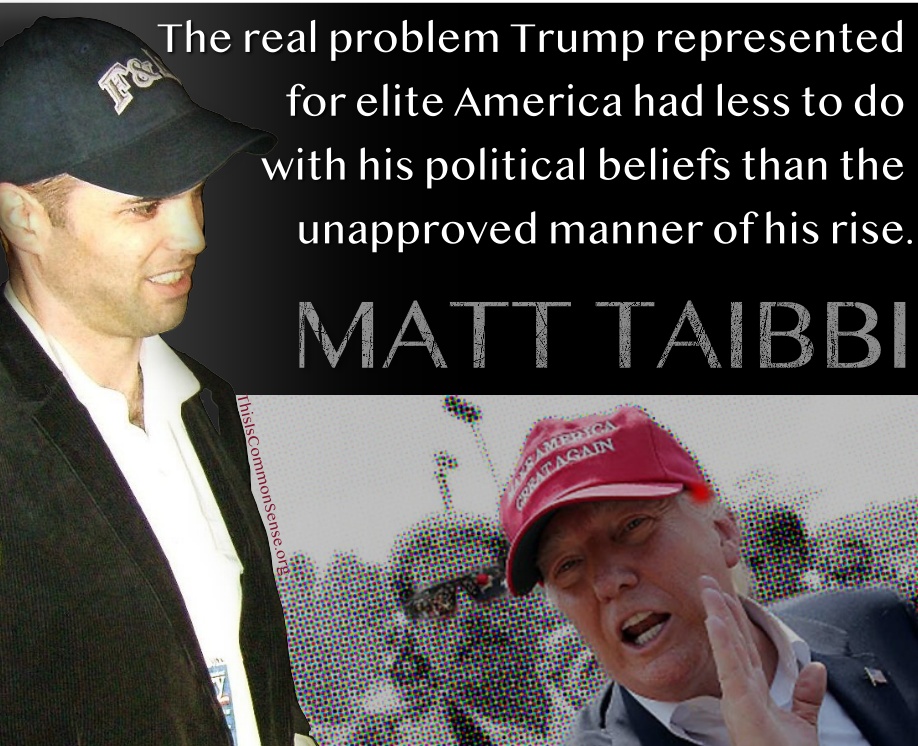
The real problem Trump represented for elite America had less to do with his political beliefs than the unapproved manner of his rise.
Matt Taibbi, ”Will Twitter Become an Ocean of Suck?,” taibbi.substack.com (November 30, 2021).

To have a right to do a thing is not at all the same as to be right in doing it.
G.K. Chesterton, A Short History of England (1917).

Rather than it being speculative, now, we now know that the government is in the business of mass censoring, essentially.
Matt Taibbi on Glenn Greenwald’s System Update, on Rumble (December 13, 2022).

Men do not differ much about what things they will call evils; they differ enormously about what evils they will call excusable.
G.K. Chesterton, Illustrated London News (October 23, 1909).
Our papers have one peculiarity — it is American — it exists nowhere else — their irreverence. May they never lose and never modify it. They are irreverent to pretty much everything, but where they laugh one good king to death, they laugh a thousand cruel and infamous shams and superstitions into the grave, and the account is squared. Irreverence is the champion of liberty and its only sure defense.
Mark Twain’s Notebook (1935), p. 195.

Our liberty is neither Greek nor Roman; but essentially English. It has a character of its own, — a character which has taken a tinge from the sentiments of the chivalrous ages, and which accords with the peculiarities of our manners and of our insular situation. It has a language, too, of its own, and a language singularly idiomatic, full of meaning to ourselves, scarcely intelligible to strangers.
Thomas Babington Macaulay, “History,” Edinburgh Review (May 1828).
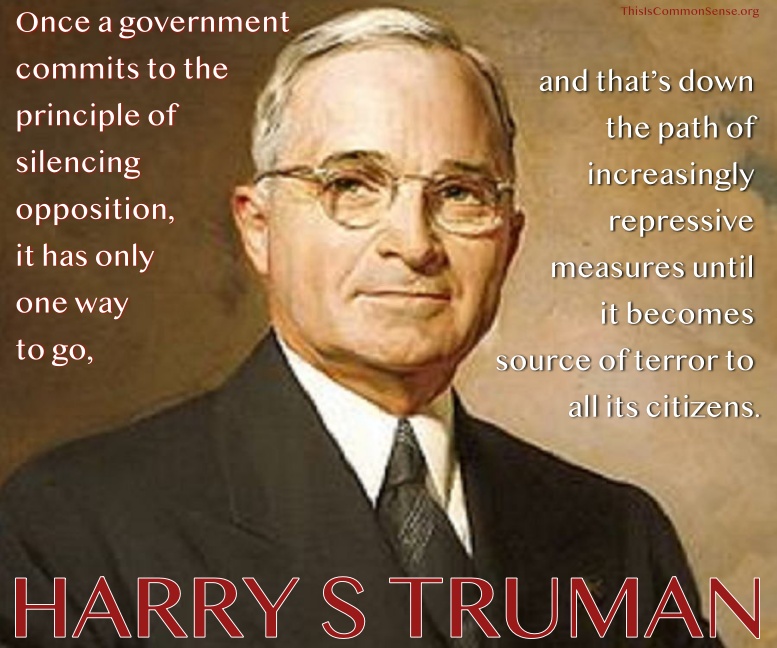
Once a government commits to the principle of silencing opposition, it has only one way to go, and that’s down the path of increasingly repressive measures until it becomes source of terror to all its citizens.
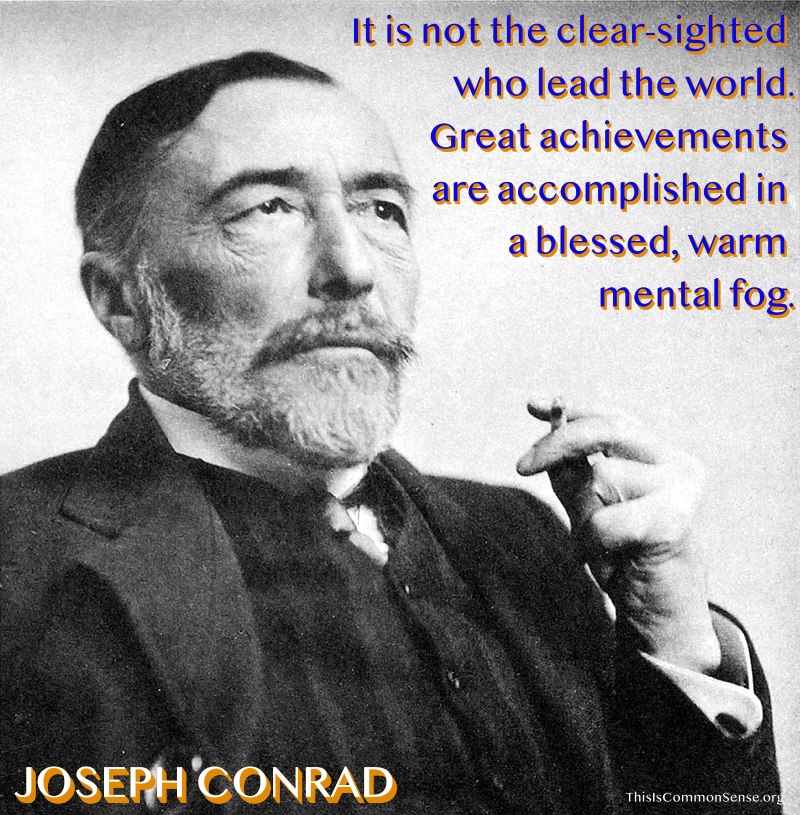
It is not the clear-sighted who lead the world. Great achievements are accomplished in a blessed, warm mental fog.
Joseph Conrad, Victory: An Island Tale (1915).