On November 14, 1918, Czechoslovakia became a republic. Born on the same date in 1947, American writer P. J. O’Rourke.
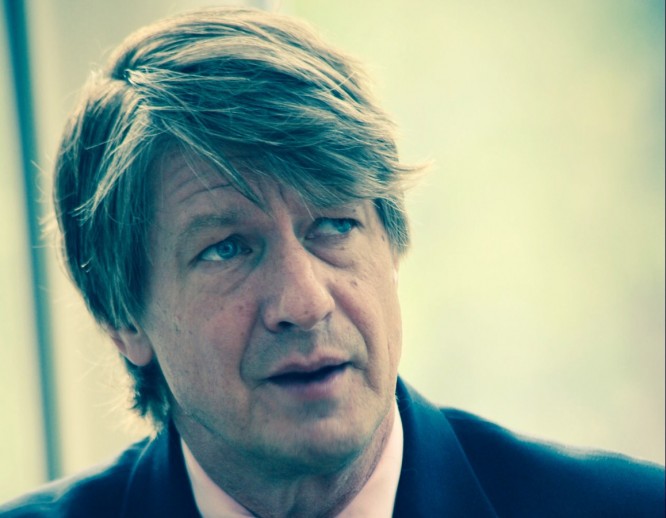
On November 14, 1918, Czechoslovakia became a republic. Born on the same date in 1947, American writer P. J. O’Rourke.
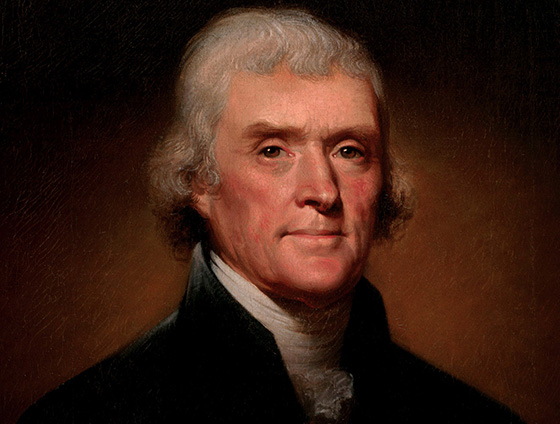
A DECALOGUE OF CANONS FOR OBSERVATION IN PRACTICAL LIFE
Never put off till to-morrow what you can do to-day.
Never trouble another for what you can do yourself.
Never spend your money before you have it.
Never buy what you do not want, because it is cheap; it will be dear to you.
Pride costs us more than hunger, thirst, and cold.
We never repent of having eaten too little.
Nothing is troublesome that we do willingly.
How much pain have cost us the evils which have never happened.
Take things always by their smooth handle.
When angry, count ten, before you speak; if very angry, a hundred.
Thomas Jefferson, in Henry S. Randall, The Life of Thomas Jefferson, Volume 3 (1858)

November 13 is World Kindness Day, which has been celebrated in various countries since 1998. It is not an official celebratory day of the U.S.A., or of the United Nations. But individuals are free to be kind this day . . . or any day, for that matter.
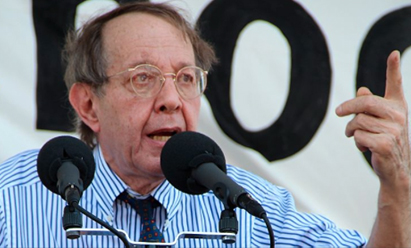
“Instead of seeing these children for the blessings that they are, we are measuring them only by the standard of whether they will be future deficits or assets for our nation’s competitive needs.”
Jonathan Kozol
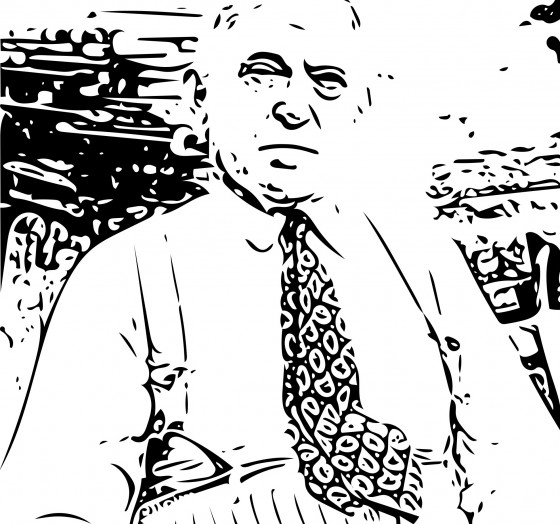
“The final test of truth is ridicule. Very few dogmas have ever faced it and survived.”
H. L. Mencken, Damn! A Book of Calumny (1918)
On November 12, 1905, Norwegians established, by referendum, a monarchy — not a republic. Exactly 14 years later, to the day, Austria became a republic.
On November 11, 1889, the State of Washington was admitted as the 42nd State of the United States.
In 1918, German officials signed an armistice agreement with the Allies in a railroad car in the forest of Compiègne, France. The fighting officially ended at 11:00 a.m. — the eleventh hour of the eleventh day of the eleventh month. The war officially ended with the signing of the Treaty of Versailles on June 28, 1919.
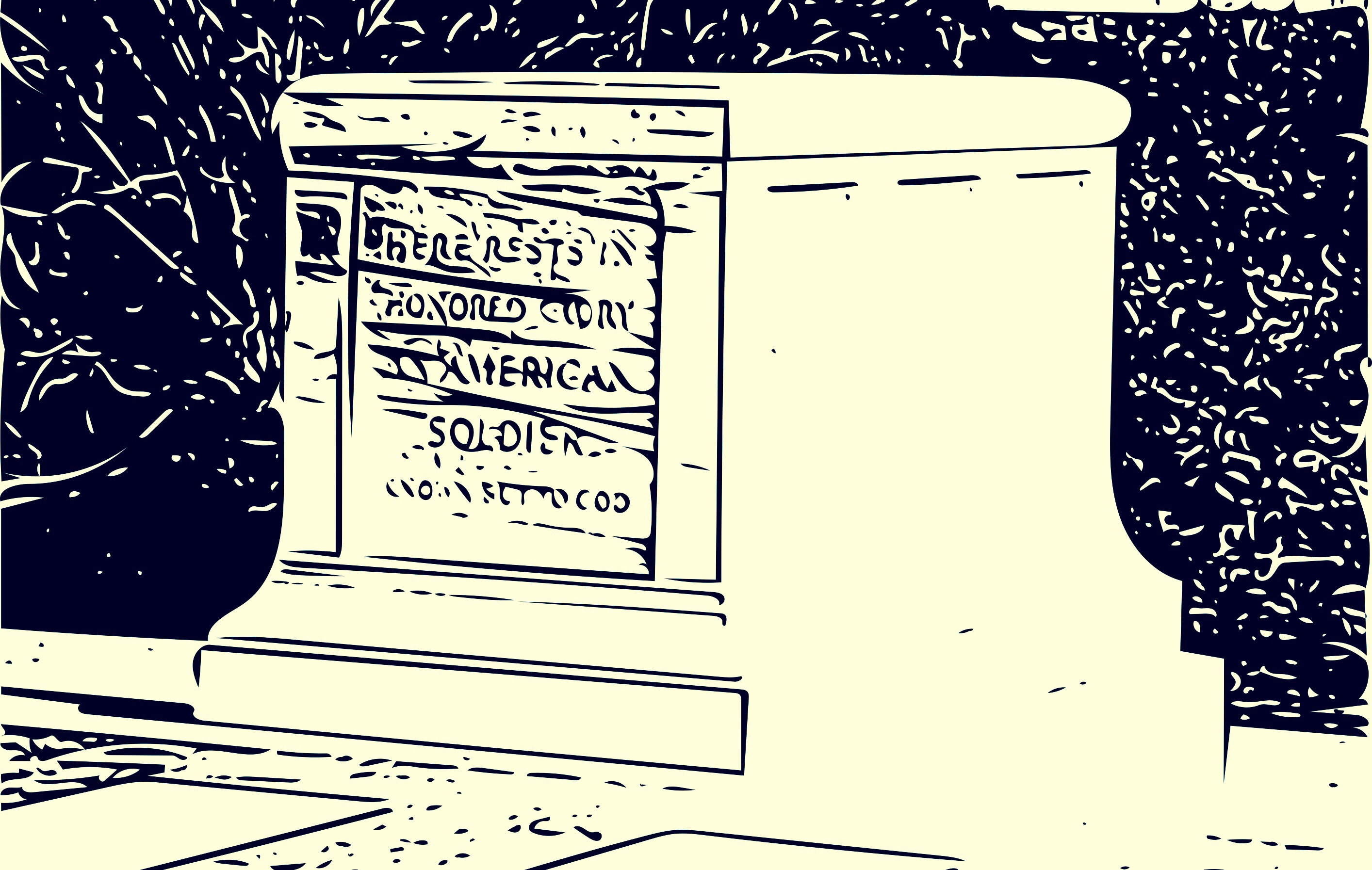
In 1921 on this date, U.S. President Warren G. Harding dedicated the Tomb of the Unknowns at Arlington National Cemetery.
“Wonderful teachers should never let themselves be drill sergeants for the state.”
Jonathan Kozol, as quoted in Reading, writing, and rebellion,
by Tracy Jan, Boston Globe, September 21, 2007.
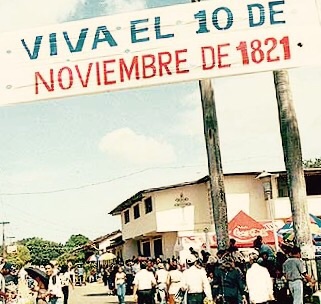
On November 10, 1821, the First Cry of Independence in the small, interior town of Villa de los Santos, occurred in Panama. The November 10 date has since become Panama’s “Cry of Independence Day” in the country. November is a month of independence celebrations in Panama, but the November 10 celebration marks the first signs of the struggle for separation from Spain.
“Truth would quickly cease to be stranger than fiction, once we got as used to it.”
H. L. Mencken, A Little Book in C Major (1916)