Selfishness is not living as one wishes to live, it is asking others to live as one wishes to live.
Oscar Wilde, The Soul of Man Under Socialism, 1895.
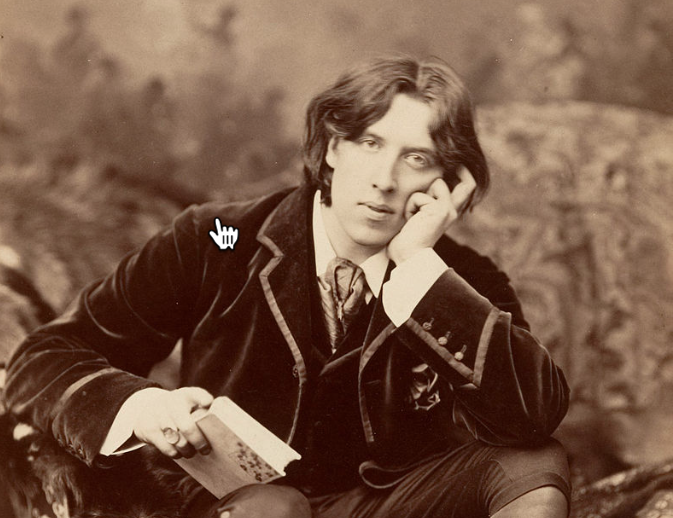
Selfishness is not living as one wishes to live, it is asking others to live as one wishes to live.
Oscar Wilde, The Soul of Man Under Socialism, 1895.
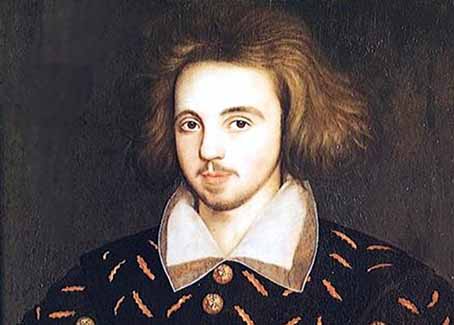
On May 18, 1593, playwright Thomas Kyd’s accusations of heresy led to an arrest warrant for fellow playwright Christopher Marlowe.
Kyd was the famed author of The Spanish Tragedy, and “Kit” Marlowe [pictured] was known for a number of plays, including The Jew of Malta and The Tragicall History of the Life and Death of Doctor Faustus.
Marlowe died a few weeks later, on May 30, without having been arrested. The circumstances of his death were bizarre, suspicious — as if written by a playwright.
On May 18, 1652, Rhode Island passed the first law in English-speaking North America making slavery illegal.
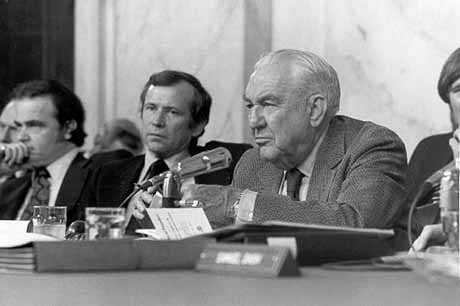
On May 17, 1973, televised hearings regarding the Watergate scandal began in the United States Senate. Sen. Sam Ervin chaired.
Little did participants know that the name of the hotel in which the White House-arranged break-ins occurred would provide a template for most future political scandals: “-gate” would be suffixed to nearly every other possible designator of scandal. Hillary Clinton’s problems regarding a private Internet server has been called “Emailgate,” for instance.
This could be called a suffix meme. Or insufferable meme, if you prefer.

There’s no way I can justify my salary level, but I’m learning to live with it.
Isabel Paterson, The God of the Machine, 1943, p. 250.
But when the good people do know, as they certainly do, that three million persons (at the least estimate) were starved to death in one year by the methods they approve, why do they still fraternize with the murderers and support the measures? Because they have been told that the lingering death of the three millions might ultimately benefit a greater number. The argument applies equally well to cannibalism.
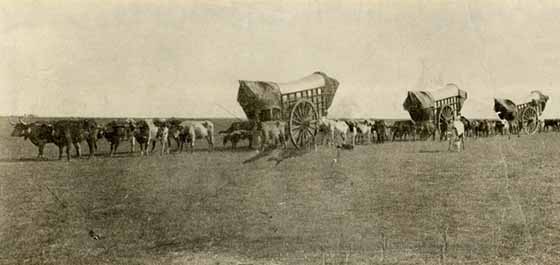
On May 16, 1843, one thousand pioneers from Elm Grove, Missouri, set off for the Pacific Northwest, blazing what became known as the “Oregon Trail.”

This week at Townhall Paul Jacob wraps up the big story this week. Click on over, forward to friends. But come back here for the necessary further reading of source material:
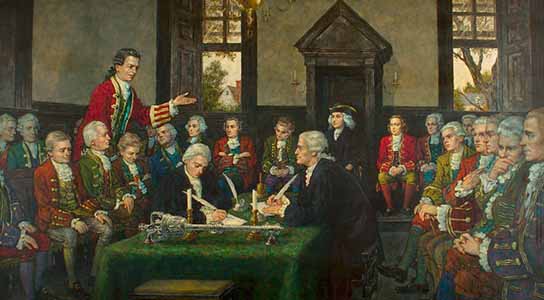
On May 15, 1776, the Virginia Convention instructed its Continental Congress delegation to propose a resolution of independence from Great Britain, paving the way for the United States’ Declaration of Independence.
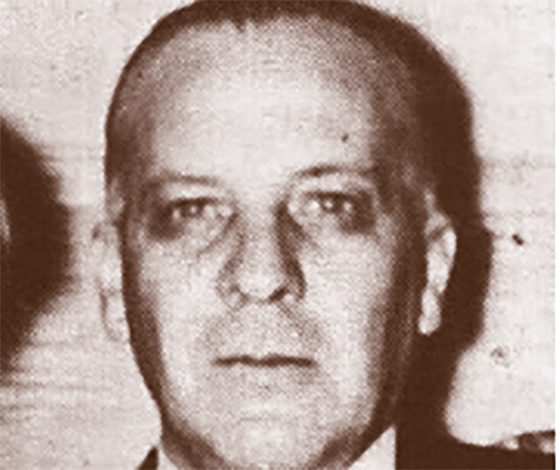
Americans pass a law against liquor and go right on drinking; they frown, publicly and openly upon the relationship of mistress and lover, and go right on having such relationships under cover. They draw up huge categories of business ethics, and American business is rotten to the core. It’s America’s fetich: this, ‘Save the Surface and You Save All,’ theory.
Jack Woodford, Unmoral, 1934.
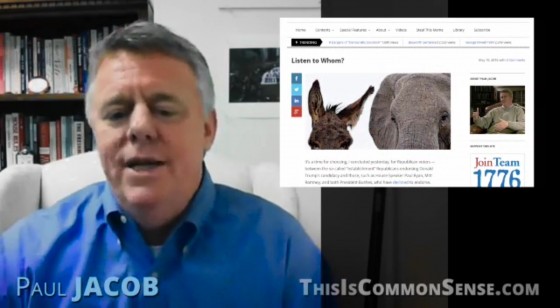
In what we plan as a new feature here at Common Sense, our video of the week is … Common Sense! That is, a video chat featuring Paul Jacob himself:
Here Paul reviews the basic information about the week’s biggest story: the GOP delegates are not what they seem.