There is time enough for a great many things to happen in a thousand centuries.
John Fiske, The Discovery of America, Vol. 1, p. 15.
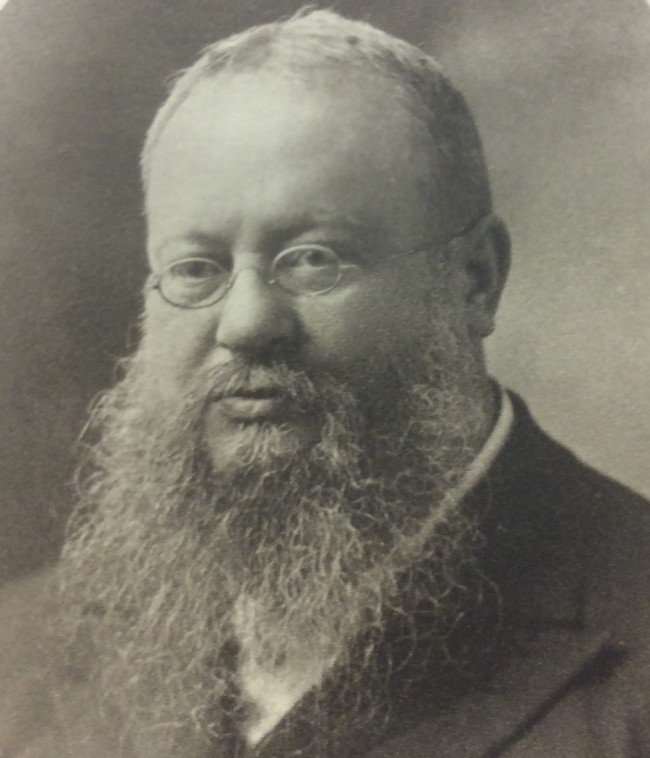
There is time enough for a great many things to happen in a thousand centuries.
John Fiske, The Discovery of America, Vol. 1, p. 15.

On July 13, 1973, the minority (Republican) counsel on the Senate Watergate investigative committee, Donald Sanders, asked Nixon aide Alexander Butterfield [pictured] if he knew of any recordings made in the Nixon White House, and Butterfield responded, “everything was taped” at least while Nixon was in attendance, and that “there was not so much as a hint that something should not be taped.”  This revelation of the Nixon Tapes transformed the Watergate scandal into a major legal as well as political event, and proved to be one of the most astounding examples of “government transparency” in modern times — indeed, it helped demystify and desanctify the Office of the Presidency, a very republican (if not pro-Republican Party) development.
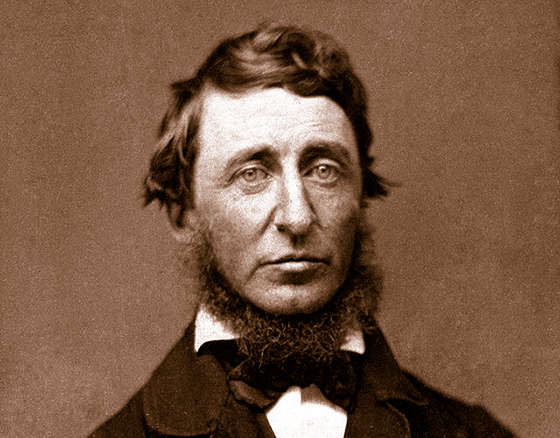
On July 12, 1817, American poet, abolitionist, businessman, and Transcendentalist philosopher Henry David Thoreau was born. He is perhaps best known, today, for his book of meditations on the simple life, Walden, and his influential essay on civil disobedience.
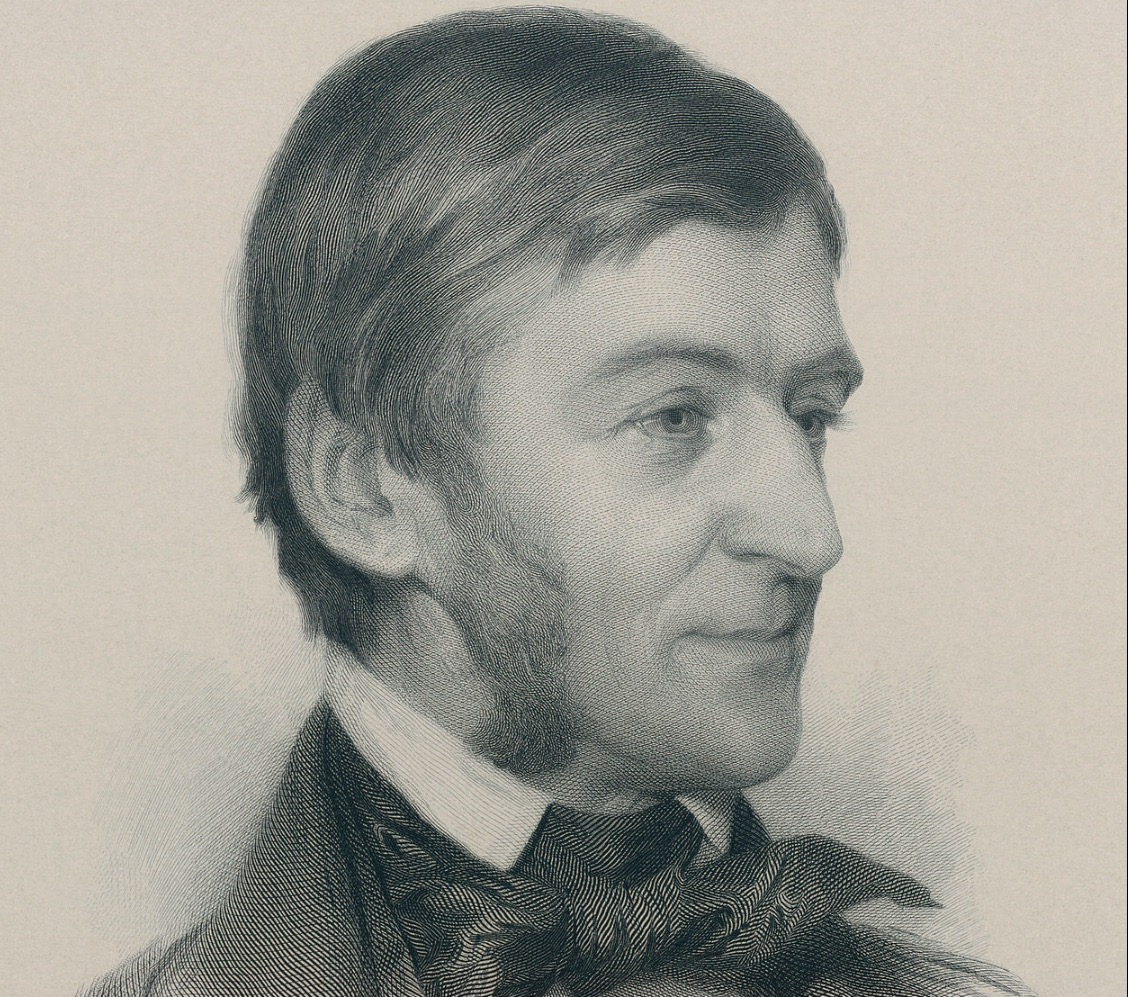
Ralph Waldo Emerson, “English Traits” (1856).
Solvency is maintained by means of a national debt, on the principle, ‘If you will not lend me the money, how can I pay you?’
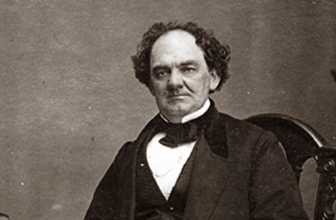
In fact, as a general thing, money-getters are the benefactors of our race.
P. T. Barnum, Art of Money Getting (1880).
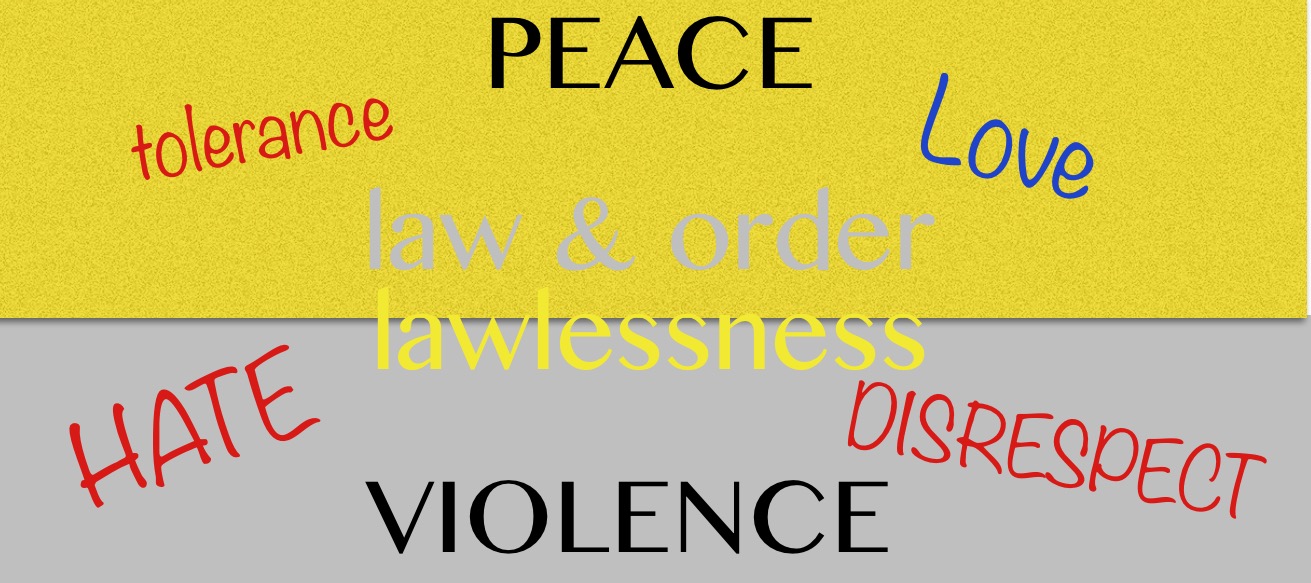
Violence. Animosity. Lawlessness. And Paul Jacob is not just talking about these things on the streets, amongst protestors.
Click on over to Townhall. Come back here. Figure out the age; testify.
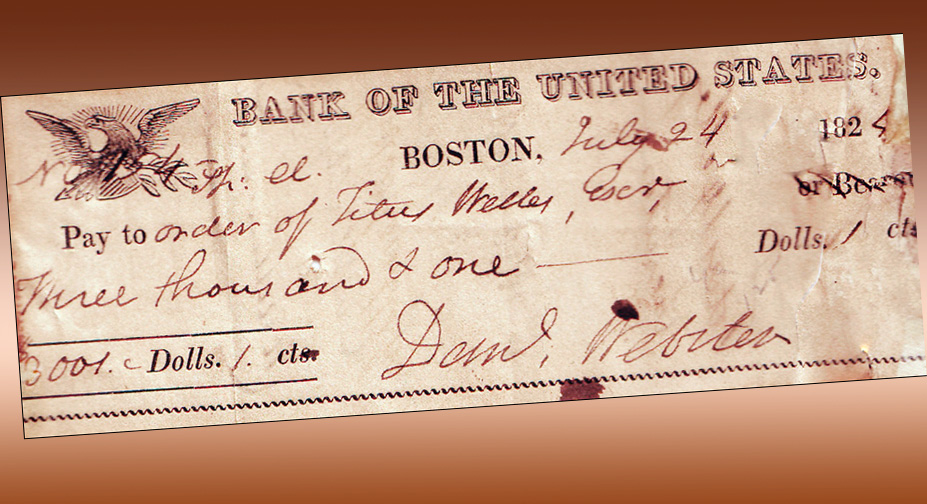
On July 10, 1832, U.S. President Andrew Jackson vetoed a bill to re-charter the Second Bank of the United States, in effect ending formal central banking in the United States until the establishment of the Federal Reserve in 1913.
The featured image incorporates a bank note from the Second National Bank signed by Daniel Webster.

This week the police in Dallas, Texas, used a robot to kill a sniper. It is said to be a first, a historical moment of great significance. But wait: a bigger, more dangerous and more destabilizing form of warfare began a few years ago. This video explains it:
The best kind of charity is to help those who are willing to help themselves.
P. T. Barnum, Art of Money Getting (1880).
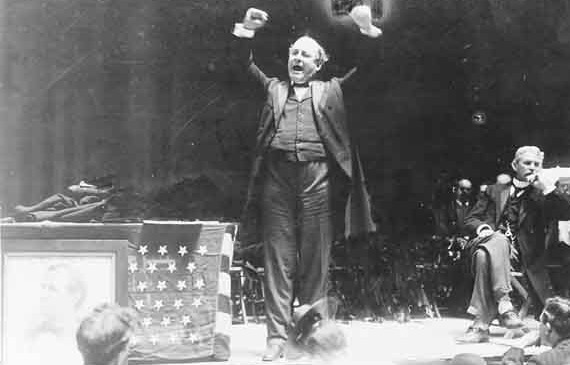
On July 9, 1896, William Jennings Bryan delivered his “Cross of Gold” speech advocating bi-metallist inflationism at the 1896 Democratic National Convention in Chicago, Illinois, a triumph of rhetoric over reason that solidified the takeover of the Democratic Party by reformers utterly ignorant of basic economics.