Winning an argument is of no value. What you want is to win a convert. And people who lose arguments are more likely to beef up their current convictions instead of converting to your way of thinking.
Harry Browne Liberty A to Z.

Winning an argument is of no value. What you want is to win a convert. And people who lose arguments are more likely to beef up their current convictions instead of converting to your way of thinking.
Harry Browne Liberty A to Z.
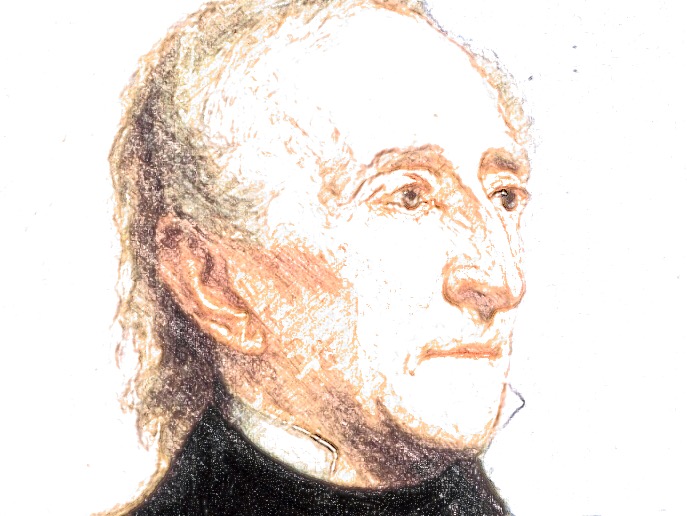
Patronage is the sword and cannon by which war may be made on the liberty of the human race.
John Tyler, speech in Congress (February 24, 1834) against the policies of Andrew Jackson.
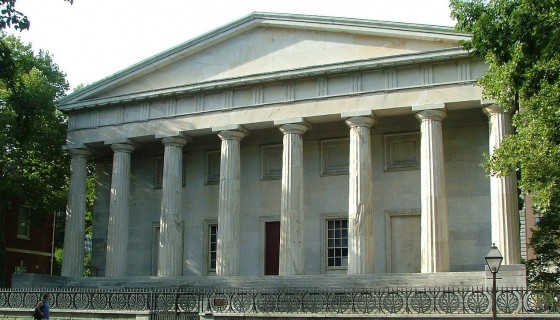
On August 16, 1841, U.S. President John Tyler vetoed a bill to re-establish the Second Bank of the United States.  Enraged Whig Party members — feeling betrayed by the WINO* Tyler — rioted outside the White House in history’s most violent demonstration on White House grounds.
* “Whig In Name Only,” anachronistic joke term. A play on the contemporary initialisms “Republican in Name Only” (RINO) and “Democrat in Name Only” (DINO).
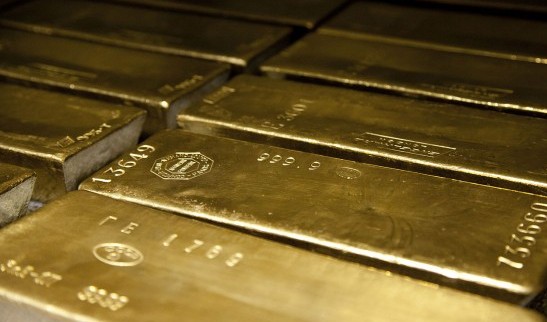
On a sad August 15 in 1971, President Richard Nixon removed the last vestiges of the once-great bulwark of capitalism, America’s adherence to the international gold standard, ending convertibility of the United States dollar into gold by foreign investors. The dollar has remained fiat money ever since, but did not succeed in retaining its previous value.
But then, the dollar under the previous quasi-gold, Bretton-Woods Agreement wasn’t stable either, which is why Nixon had to close the gold window.
Government seems to operate on the principle that if even one individual is incapable of using his freedom competently, no one can be allowed to be free.
Harry Browne remains famous for his 1970s classic, How I Found Freedom in an Unfree World.
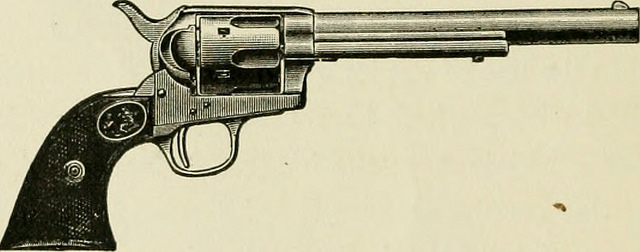
The presidential campaign goes ballistic. Click on over to the Townhall.com site for Paul Jacob’s latest. Then click back here for additional firepower:
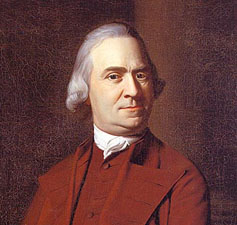
On August 14, 1765, Sam Adams led the first rebel mob against enforcers of the Stamp Act in Britain’s American colonies.
On this day in 1980, Lech Wałęsa led strikes at the Gdańsk, Poland, shipyards.
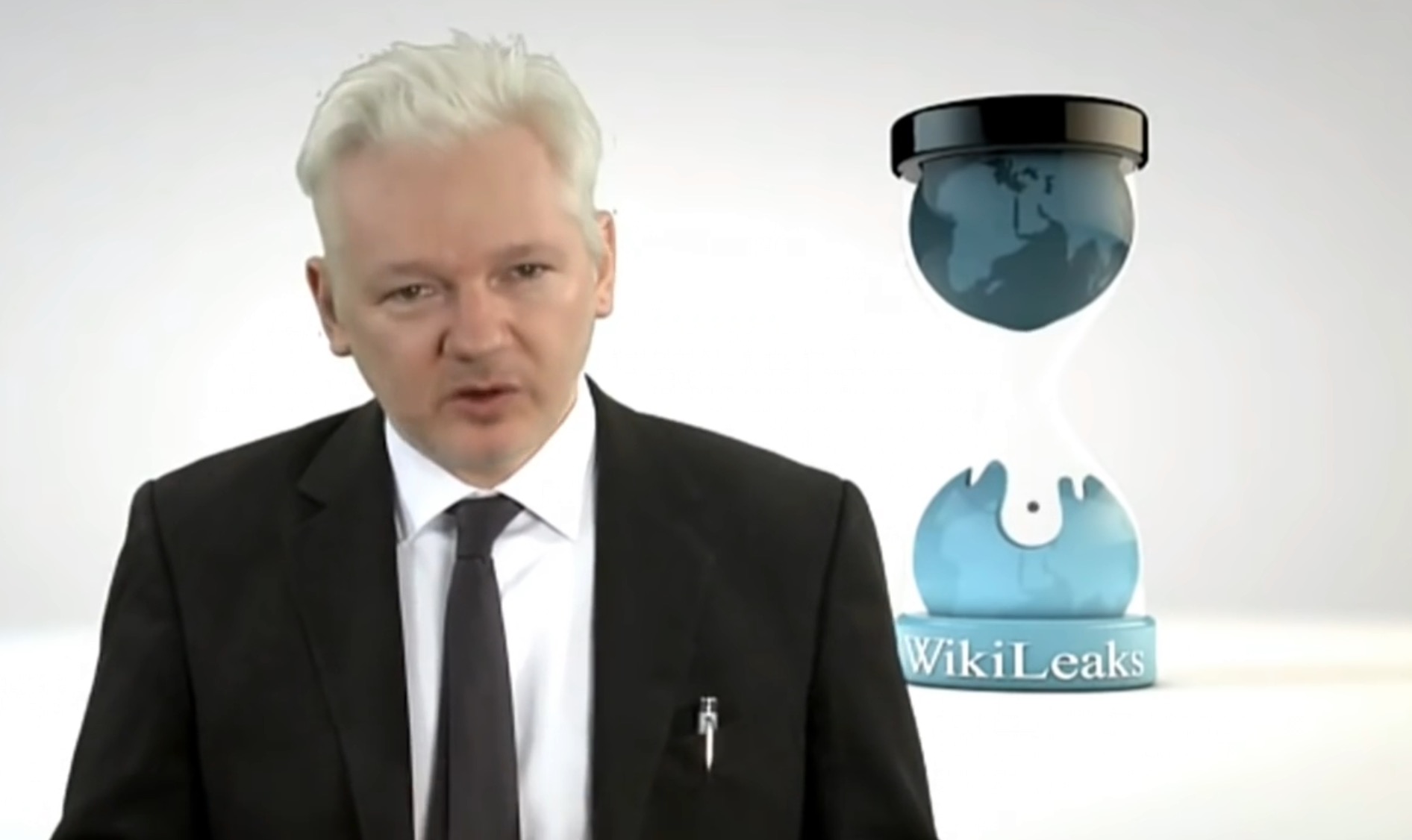
As Julian Assange reveals more and more about Hillary Clinton’s nasty, loathsome ways, the WikiLeaks founder and spokesman faces an increased threat level.

On August 13, 1831, Nat Turner witnessed a solar eclipse, which he interpreted as a sign from God. Eight days later he and 70 other slaves killed approximately 55 whites in Southampton County, Virginia.
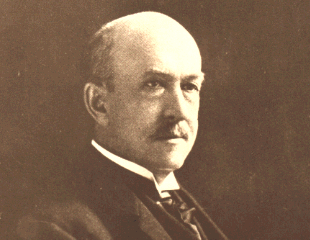
On this day in 1898, an Armistice ended the Spanish-American War, a war commemorated best by sociologist and economist William Graham Sumner in his classic essay “The Conquest of the United States by Spain.”