All war presupposes human weakness and seeks to exploit it.
Carl von Clausewitz, On War (1832), Book V.

All war presupposes human weakness and seeks to exploit it.
Carl von Clausewitz, On War (1832), Book V.
On September 26, 1786, protestors shut down the court in Springfield, Massachusetts, beginning a military standoff and ushering in Shays’ Rebellion. This anti-tax revolt spurred a dramatic reaction on the part of the day’s politicians, including their attempts to reform the Articles of Confederation and to figure out better ways than high state taxes to pay off Revolutionary War debts. These efforts directly led to the adoption of a new Constitution.
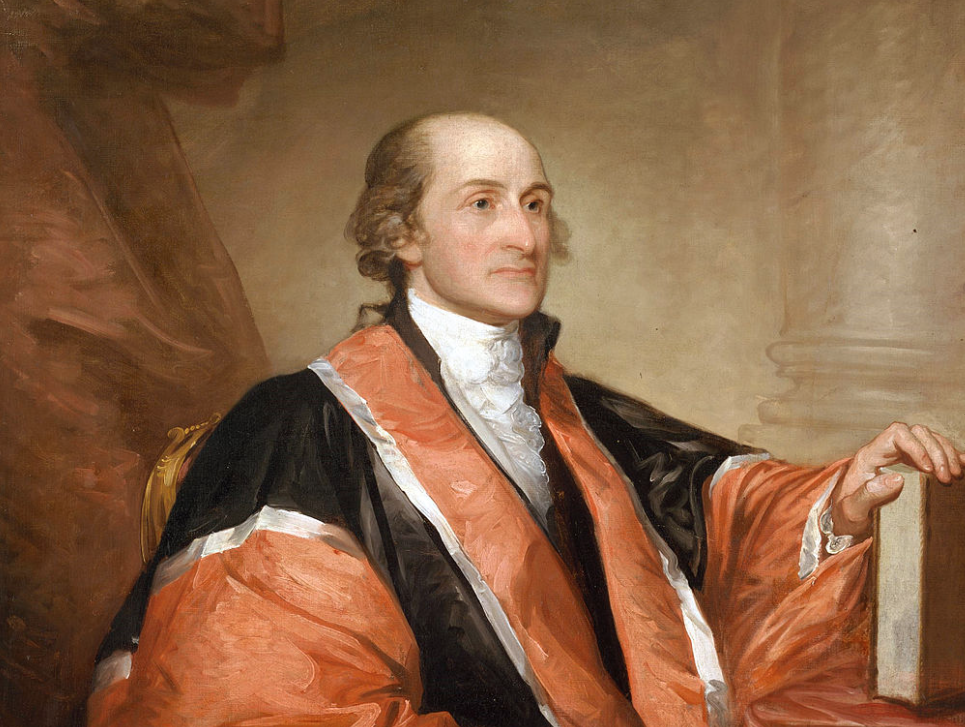
Three years later, to the day, Thomas Jefferson was appointed the first United States Secretary of State, John Jay (pictured) was appointed the first Chief Justice of the United States, Samuel Osgood was appointed the first United States Postmaster General, and Edmund Randolph was appointed the first United States Attorney General — all under the new Constitution.
In 1960 on this date, John F. Kennedy and Richard M. Nixon engaged in the first televised presidential campaign debates.
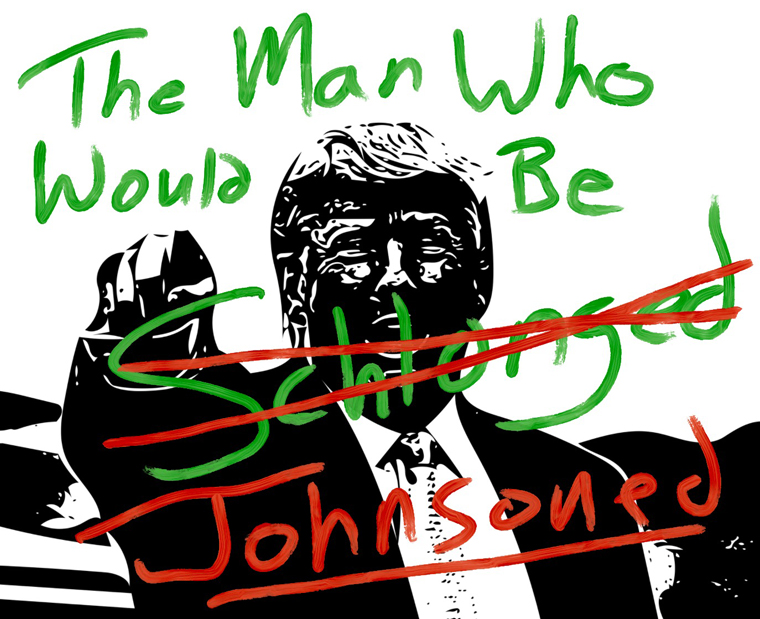
Over at Townhall, the downside of squelching diversity and dissent. Click on over, then come back here.
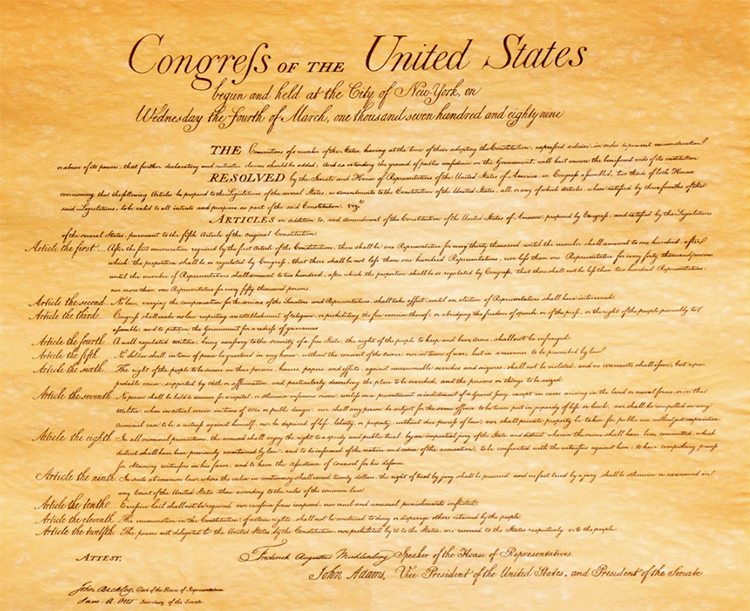
On September 25, 1789, the U.S. Congress passed twelve amendments to the United States Constitution: the Congressional Apportionment Amendment (which was never ratified), the Congressional Compensation Amendment, and the ten that are known as the Bill of Rights.
Earlier on that date, in 1555, the Peace of Augsburg was signed in Augsburg by Charles V and the princes of the Schmalkaldic League.

Dave Rubin interviews Prof. Randy Barnett:
Or, if you have more time, consult the full interview:
You might consider the audio podcast of The Rubin Report on iTunes and other podcast venues.
On September 24, 1789, the United States Congress passed the Judiciary Act, creating the office of the United States Attorney General and the federal judiciary system, and ordered the composition of the Supreme Court of the United States.
On the same day that President George Washington signed the bill into law, he officially nominated John Jay to the new position of Chief Justice of the Supreme Court. Jay (pictured in his official portrait, above) served in that position until 1795, when he resigned to take up his elected position as second governor of the State of New York. The Supreme Court heard only four cases during Jay’s Chief Justiceship; Jay refused to consult, officially, on legislation written by Alexander Hamilton, establishing the precedent that the Supreme Court has followed to this day: the Court would only rule on cases tried before it.
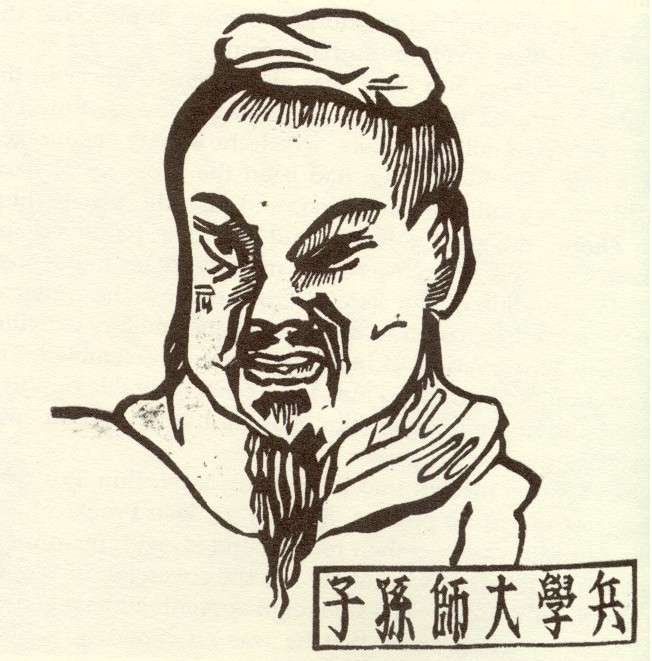
All warfare is based on deception. Hence, when we are able to attack, we must seem unable; when using our forces, we must appear inactive; when we are near, we must make the enemy believe we are far away; when far away, we must make him believe we are near.
Sun Tzu, The Art of War (c. 6th century BCE), from Chapter One.

Colorado is a really nice place — and not just for the weather and scenery. I mean politically.
It’s arguably the only state in the union where the politicians, lobbyists and special interests are much more politically frustrated than are the people.
By way of the initiative and referendum process, Rocky Mountain State voters gained the upper hand. Coloradans term-limited their legislators and passed a constitutional amendment called the Taxpayer Bill of Rights, which disallows legislators from raising taxes or hiking spending without voter approval.
Legislators, lobbyists and special interests are not amused.
That’s why an insider group called Raise the Bar is pushing Amendment 71, which would block citizens from using the initiative to amend the constitution. The group has already raised $2.7 million — more than any other ballot measure committee. That big money is coming from powerful lobbies and special interests and being spent on a misleading television ad barrage about “protecting” the constitution.
From the people.
 Amendment 71 blocks initiative amendments, making only statutory initiatives available to citizens seeking reform. As campaign finance reformers learned when the legislature gutted their voter-approved statutory measure, it is essential that voters be able to amend
the constitution.
Otherwise, legislators have the upper hand.
Sen. Pat Steadman, a spokesperson for 71, admitted as much in a recent debate, stating that “things like campaign finance regulation, or marijuana, or hunting season . . . are not things that should be enshrined in our constitution. These are policy issues . . . that the legislature should have the ability to weigh in and to update the laws as needed.”
In other words, support Amendment 71 so that legislators can be the boss again, updating the laws as they wish and overruling the voters at will.
This is Common Sense. I’m Paul Jacob.

[S]trength of character does not consist solely in having powerful feelings, but in maintaining one’s balance in spite of them. Even with the violence of emotion, judgment and principle must still function like a ship’s compass, which records the slightest variations however rough the sea.
Carl von Clausewitz, On War (1832), Book I, Chapter Three.

On September 23, 1905, Norway and Sweden signed the “Karlstad treaty,” peacefully dissolving the union between the two countries.