If men use their liberty in such a way as to surrender their liberty, are they thereafter any the less slaves?
Herbert Spencer, “The New Toryism,” The Man Versus the State (1884).

If men use their liberty in such a way as to surrender their liberty, are they thereafter any the less slaves?
Herbert Spencer, “The New Toryism,” The Man Versus the State (1884).
On March 7, 1644, Massachusetts established the first two-chamber legislature in the American colonies.
One hundred thirty years later, to the day, British forces closed the port of Boston to all commerce.
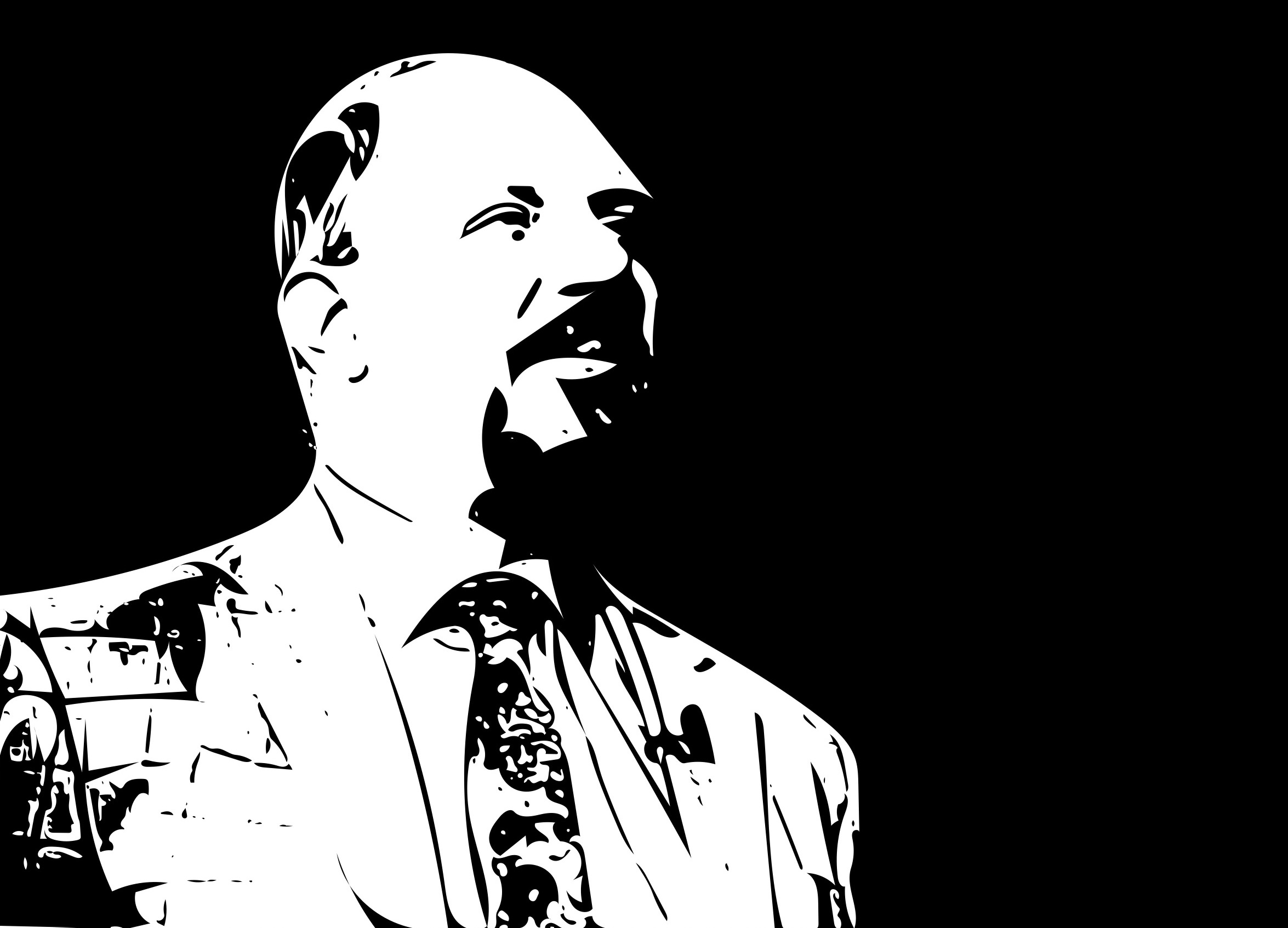
‘Neanderthal’* is a bad word. It means . . . Well, you guys know what it means. It depends which political party you are, what it means, right?
* Pronounced with a soft th; John Hawks, explaining why the hominid Homo neanderthalensis should be pronounced with a ‘hard T’, “Are We the Last Neanderthals?” 24th Chicago Humanities Festival, Nov. 2, 2013.
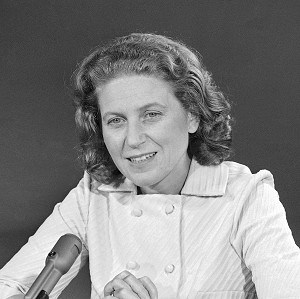
On March 6, 1967, Soviet Premiere Joseph Stalin’s only daughter, Svetlana Alliluyeva, defected to the United States. (She later took the name Lana Peters, upon marriage to William Wesley Peters. The marriage was short-lived.)
| The March 6 date also marks term limits advocate and initiative organizer Paul Jacob’s birthday. He was born on the anniversary of the births of Michaelangelo, Cryano de Bergerac, and Alan Greenspan. He is also, obviously, the reason this site, ThisIsCommonSense.com, exists. (It continues, however, only through the continued support of readers like you.)
| On this day in 1820, the Missouri Compromise was signed into law by President James Monroe. The compromise allowed Missouri to enter the Union as a slave state, brought Maine into the Union as a free state, and made the rest of the northern part of the Louisiana Purchase territory slavery-free.
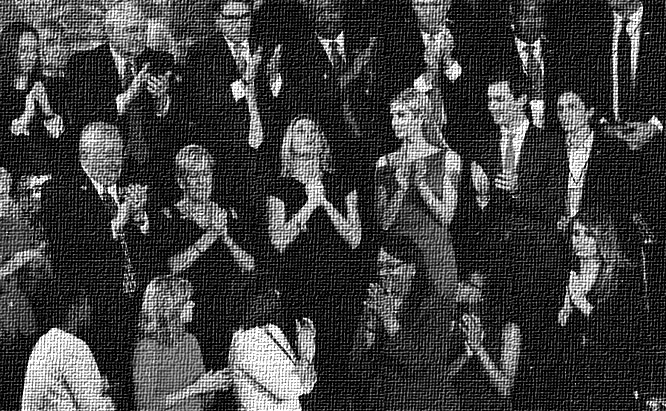
The new president delivered a fairly successful first address before Congress. But it was not without its problems. One big one serves as this weekend’s subject at Townhall. Click on over, then come back here.
https://youtu.be/QN1tjLs777s
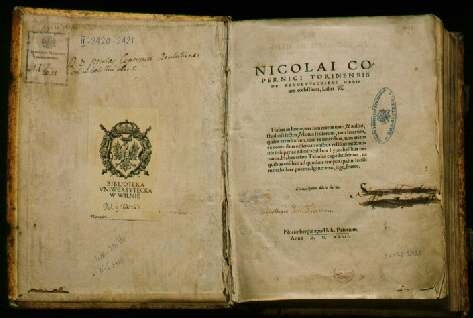
On March 5, 1616, Nicolaus Copernicus’s book, De revolutionibus orbium coelestium, was placed on the Catholic Church’s Index of Forbidden Books. This censorship notwithstanding, the Earth continued to revolve around the Sun. The book had been first published in 1543 in Nuremberg.
| In 1770, the Boston Massacre took place on March 5.
| March 5 is magician Penn Jillette’s birthday. He turns 62 today, beginning his 63rd year of life.
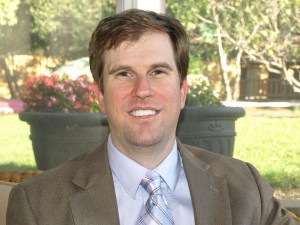
What kind of press do we need or want? A fair and objective press? No. We need a free and independent press, and modern media has gone the way of the 18th and 19th centuries. That is a good thing.
Brion McClanahan, “Fake News,” The Brion McClanahan Show, March 2, 2017 (on how Internet media is bringing news back to its honest and openly partisan origins … and why Tom Brokaw is a pompous, know-nothing windbag)
Polling data and conclusions:
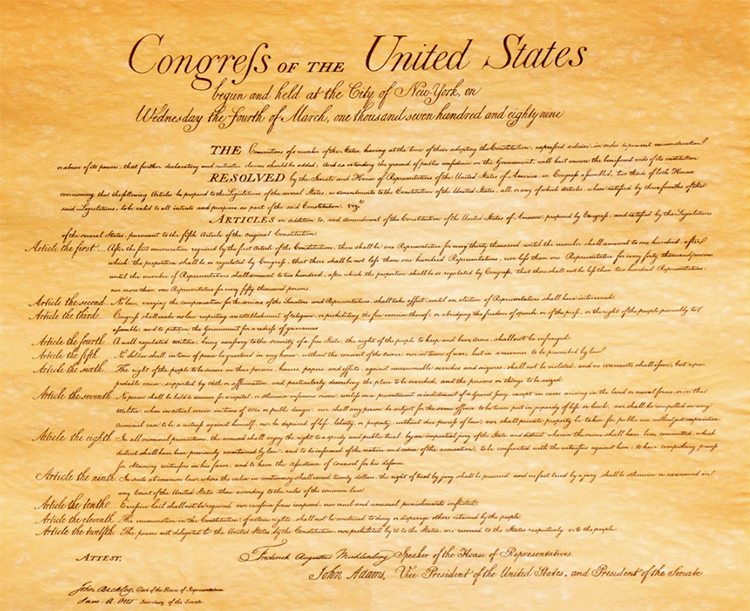
On March 4, 1789, the first bicameral Congress of the United States met in New York, New York, in accordance with the new Constitution.
Two years later on the same date, Vermont was admitted as the fourteenth state of the union.
In a twist in World War II allegiances, Finland declared war on Nazi Germany on March 4, 1945, beginning the Lapland War.
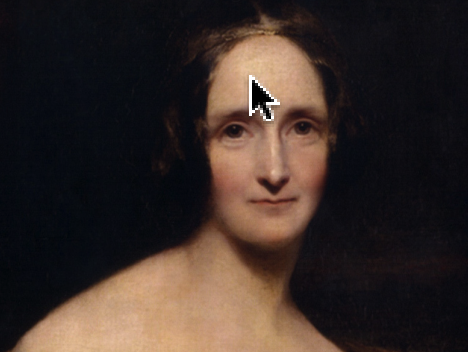
I do not wish women to have power over men; but over themselves.
Mary Wollstonecraft Shelley, detail (above) of a portrait by Richard Rothwell, oil on canvas, first exhibited 1840.