It is incumbent upon us to take action if we do not wish to become the subjects of a new Inca empire.
Categories
Louis Baudin
It is incumbent upon us to take action if we do not wish to become the subjects of a new Inca empire.
Francisco Pizarro and his men captured Inca Emperor Atahualpa at the Battle of Cajamarca on November 16, 1532. However murderous and greedy Pizarro undoubtedly was, the Inca’s empire was as evil as the Soviet Union, so, well, some recognition is due.
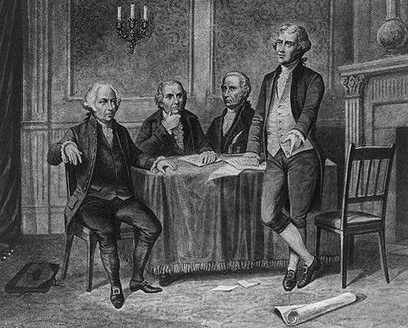
On November 15, 1777, the Continental Congress approved, and sent to the states for ratification, the “Articles of Confederation — after 16 months of deliberation. The first article gave the official name of the confederacy:
The Stile of this Confederacy shall be
The United States of America
.

A journey of a thousand leagues starts with a single step.
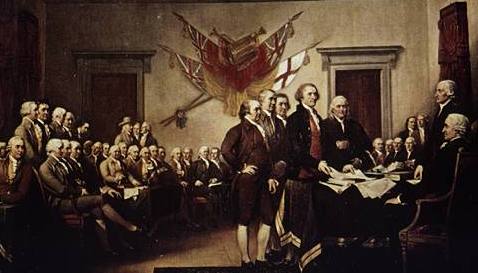
The better to secure and perpetuate mutual friendship and intercourse among the people of the different States in this Union, the free inhabitants of each of these States, paupers, vagabonds, and fugitives from justice excepted, shall be entitled to all privileges and immunities of free citizens in the several States; and the people of each State shall free ingress and regress to and from any other State, and shall enjoy therein all the privileges of trade and commerce, subject to the same duties, impositions, and restrictions as the inhabitants thereof respectively, provided that such restrictions shall not extend so far as to prevent the removal of property imported into any State, to any other State, of which the owner is an inhabitant; provided also that no imposition, duties or restriction shall be laid by any State, on the property of the United States, or either of them.

On November 14, 1918, Czechoslovakia became a republic.
Born on the same date 29 years later, American writer P. J. O’Rourke.
There is always a ‘but’ in this imperfect world.

November 13 is World Kindness Day, which has been celebrated in various countries since 1998. It is not an official celebratory day of the U.S.A., or of the United Nations. But individuals are free to be kind this day . . . or any day, for that matter.
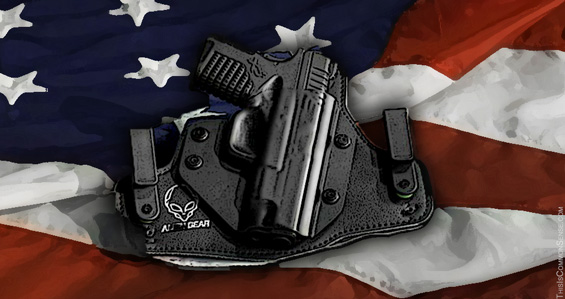
What should Congress do? Legislate anew every tragedy, atrocity? Or maybe . . . something else?
Click on over to Townhall to obtain the full context. Come back here for more:
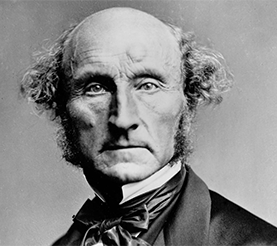
John Stuart Mill, Considerations on Representative Government (1862), Chapter I.
In every country, the executive is the branch of the government which wields the immediate power, and is in direct contact with the public; to it, principally, the hopes and fears of individuals are directed, and by it both the benefits, and the terrors, and prestige of government are mainly represented to the public eye. Unless, therefore, the authorities whose office it is to check the executive are backed by an effective opinion and feeling in the country, the executive has always the means of setting them aside or compelling them to subservience, and is sure to be well supported in doing so.