Life is not a series of gig lamps symmetrically arranged; life is a luminous halo, a semi-transparent envelope surrounding us from the beginning of consciousness to the end.
Categories
Virginia Woolf
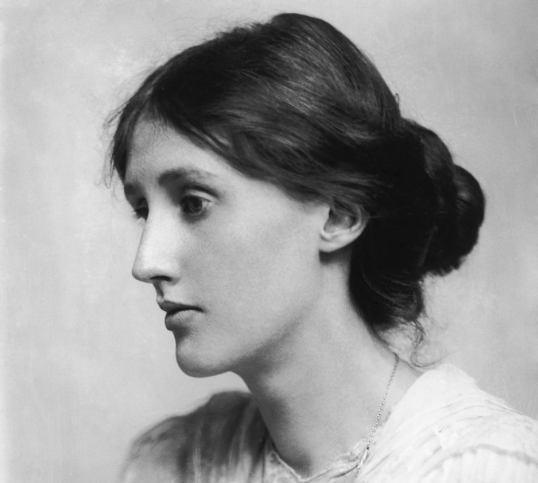
Life is not a series of gig lamps symmetrically arranged; life is a luminous halo, a semi-transparent envelope surrounding us from the beginning of consciousness to the end.
On Jan. 28, 1981, President Ronald Reagan lifted the federal government’s remaining domestic petroleum price and allocation controls in the United States, helping to end the 1970s energy crisis and begin the 1980s’ oil glut.
The deregulatory move had been begun by Democrats in Congress, particularly Sen. Ted Kennedy, but had been placed on a gradual schedule, and the whole effort clouded with talk of “windfall profits” and a tax on those allegedly unfair returns on investment.
On January 28, 1912, Belgian economist Gustave de Molinari died. One of the last major economists of the French Liberal School, heir to Frederic Bastiat, and a prominent advocate of free trade, Molinari’s last book, The Society of To-morrow (the only one of his many books to be translated into English in his day) envisioned a future of extremely limited government, and argued against the growing tide of socialism and war that was becoming all too apparent as the future of Europe.
Indeed, the old liberal order of Europe ended with the beginning of the Great War, exactly two and one half years after Molinari’s demise.

“There was no complaint.” When a young teaching assistant was brought before a politically correct tribunal at her Canadian college, just for including a video of Dr. Jordan Peterson, we knew it was quite the scandal. Now, after some time has lapsed, she updates her story, and puts it in context. This is a good interview:
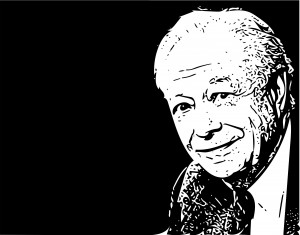
Irving Kristol, “‘When virtue loses all her loveliness’ — some reflections on Capitalism and ‘the free society,’” National Affairs, No. 21, Fall 1970.
Our youthful rebels are anything but inarticulate; and though they utter a great deal of nonsense, the import of what they are saying is clear enough. What they are saying is that they dislike — to put it mildly — the liberal, individualist, capitalist civilization that stands ready to receive them as citizens. They are rejecting this offer of citizenship and are declaring their desire to see some other kind of civilization replace it.

On Jan. 27, 1973, President Richard Nixon’s Secretary of Defense, Melvin R. Laird, announced an end to the military draft in favor of a system of voluntary enlistment. Since 1973, the United States armed forces have been known as the All-Volunteer Force.
The Selective Service System, the federal agency that would administer a military draft, continues to be funded, however. Furthermore, American males continue to be forced to register for the draft.
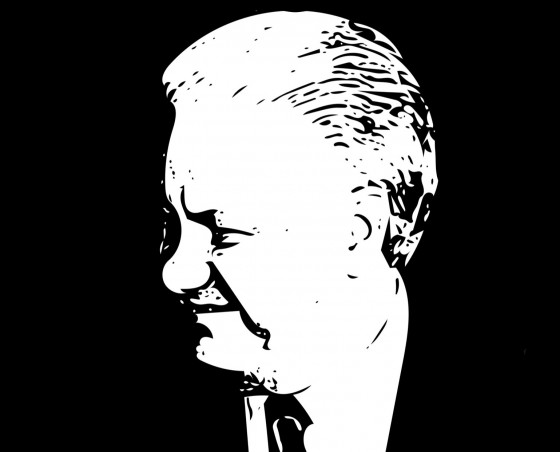
On January 26, 1992, Boris Yeltsin announced that Russia would stop targeting United States cities with nuclear weapons.
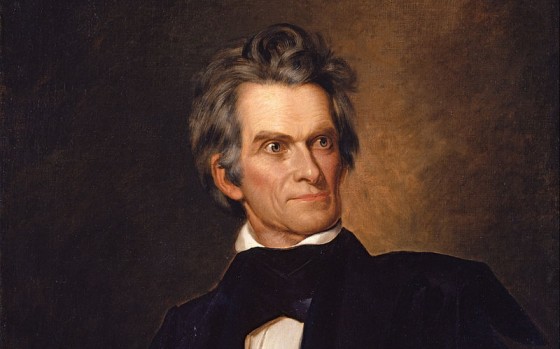
A power has risen up in the government greater than the people themselves, consisting of many and various and powerful interests, combined into one mass, and held together by the cohesive power of the vast surplus in the banks.
A light here required a shadow there.
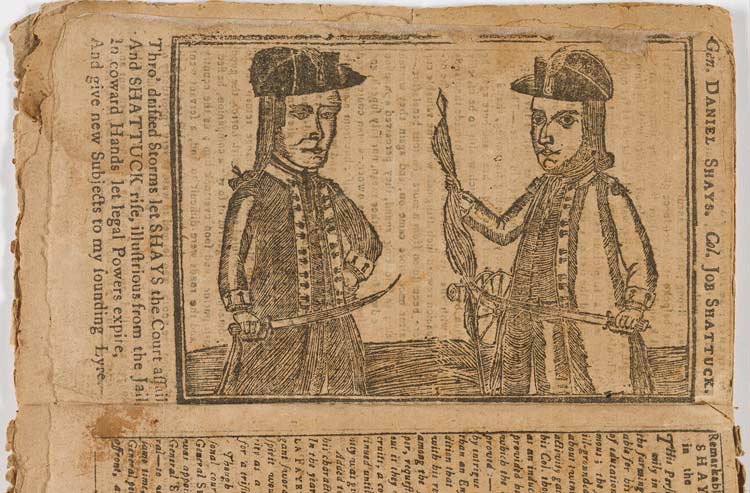
On January 25, 1787, Shays’s Rebellion experienced its largest confrontation, outside the Springfield Armory, with four of the rebels dead, 20 wounded.
The rebellion was a key moment in United States history. Daniel Shays and his followers objected to Massachussetts’s high taxes and rampant cronyism. The revolt, which was completely suppressed, led to the adoption of the U.S. Constitution and drawing George Washington from his retirement.
The aim of pedagogy today is not to prepare the individual for his own enjoyment of life, but to enable him to better serve the mass machine; the psychologist makes adjustment to mass-thought the measure of healthy thinking and living; jurisprudence puts social responsibility ahead of individual responsibility; the concern of the scientist in the discovery of principles is secondary to his preoccupation with mass production; the economist studies institutions, not people; and philosophy rejects speculation as to the nature of man or the purpose of life as effort that might better be put to the practical problems of society. Ours is the culture of ‘the all,’ rather than ‘the one.’
The end-result of this kind of thinking, the practical result, is the worship of the State.