My plan is to let people do whatever they please, so long as they do not invade the right and freedom of other persons to do the same.
Categories
H. L. Mencken
My plan is to let people do whatever they please, so long as they do not invade the right and freedom of other persons to do the same.
When we lack the will to see things as they really are, there is nothing so mystifying as the obvious.
Irving Kristol, “‘When virtue loses all her loveliness’ — some reflections on Capitalism and ‘the free society,’” National Affairs, No. 21, Fall 1970.

On February 1, 1835, slavery was abolished in Mauritius. Twenty-six years later, in the American Civil War, Texas seceded from the United States. On this date in 1865, President Abraham Lincoln signed a Joint Resolution from Congress formally submitting the proposed Thirteenth Amendment to the United States Constitution to the states for ratification.
This Amendment abolished chattel slavery throughout the union.
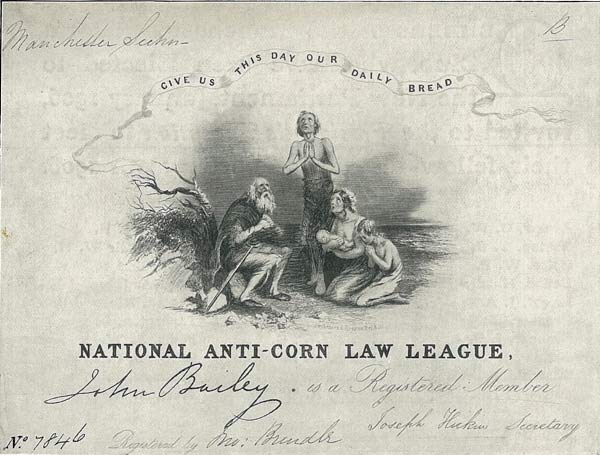
On January 31, 1849, the Corn Laws were abolished in the United Kingdom, one of the most impressive and far-reaching anti-protectionist moves of all time. “Corn” stood for all grains, including wheat, oats, barley, etc.; the free-trade agitation by John Bright and Richard Cobden was one of the main impetuses for the reform.
On Jan. 31, 1865, the United States Congress proposed the Thirteenth Amendment to the U.S. Constitution, submitting it to the states for ratification. The Amendment’s main section reads: “Neither slavery nor involuntary servitude, except as a punishment for crime whereof the party shall have been duly convicted, shall exist within the United States, or any place subject to their jurisdiction.”
On Jan. 31, 1990, the first McDonald’s fast food restaurant opens in the Soviet Union. Having once traveled to Moscow, I’m exceedingly thankful for this.
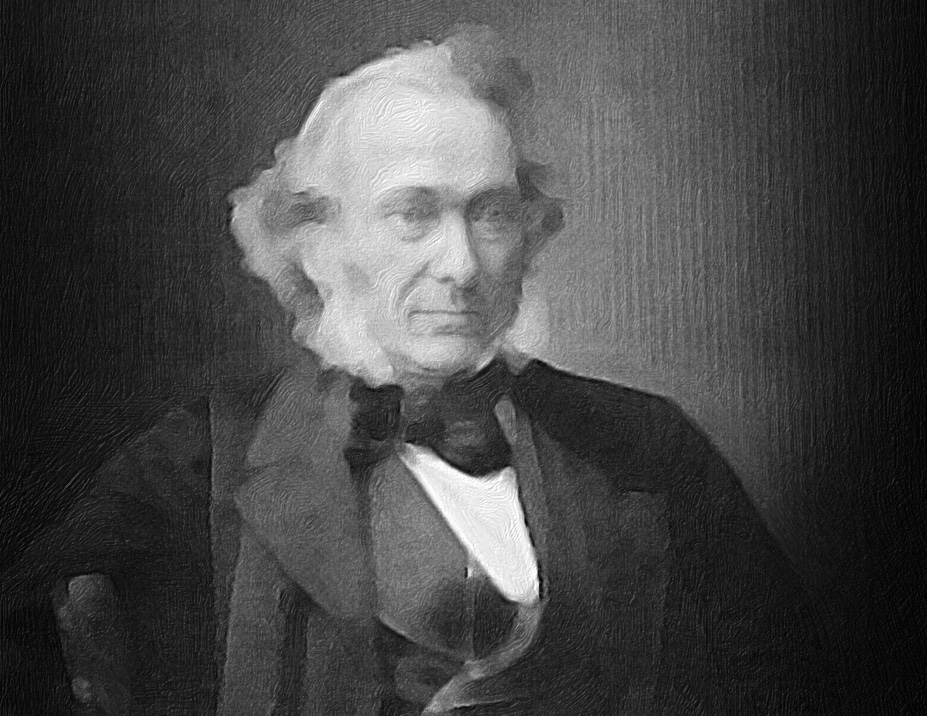
How can protection, think you, add to the wealth of a country? Can you by legislation add one farthing to the wealth of the country? You may, by legislation, in one evening, destroy the fruits and accumulation of a century of labour; but I defy you to show me how, by the legislation of this House, you can add one farthing to the wealth of the country. That springs from the industry and intelligence; you cannot do better than leave it to its own instincts. If you attempt by legislation to give any direction to trade or industry, it is a thousand to one that you are doing wrong; and if you happen to be right, it is work of supererogation, for the parties for whom you legislate would go right without you, and better than with you.
Rigid, the skeleton of habit alone upholds the human frame.

On Jan. 30, 1948, Indian leader Mohandas K. Gandhi, known for his non-violent, non-cooperation struggle for freedom and national independence, was assassinated by a Hindu extremist.
On Jan. 30, 1956, Martin Luther King, Jr.’s home was bombed in retaliation for his work on the Montgomery Bus Boycott.
On Jan. 30, 1972, British soldiers killed fourteen unarmed civil rights marchers in Northern Ireland in what came to be known as “Bloody Sunday.” Soldiers shot 26 unarmed protesters and bystanders – 13 males, seven of whom were teenagers, died immediately, while another man died of his injuries nearly five months later. In the immediate aftermath, an investigation by the British Government largely cleared the soldiers and British authorities of blame. A second investigation begun in 1998, released a report in 2010 declaring that all of those shot were unarmed, and that the killings were both “unjustified and unjustifiable.”
Not quite fitting today’s “non-violence elicits violence” theme, on January 30, 1835, Richard Lawrence attempted to shoot former military leader and then-President Andrew Jackson, but failed. He was subdued by a crowd, including several congressmen. That marked the first attempt on the life of a sitting U.S. president.
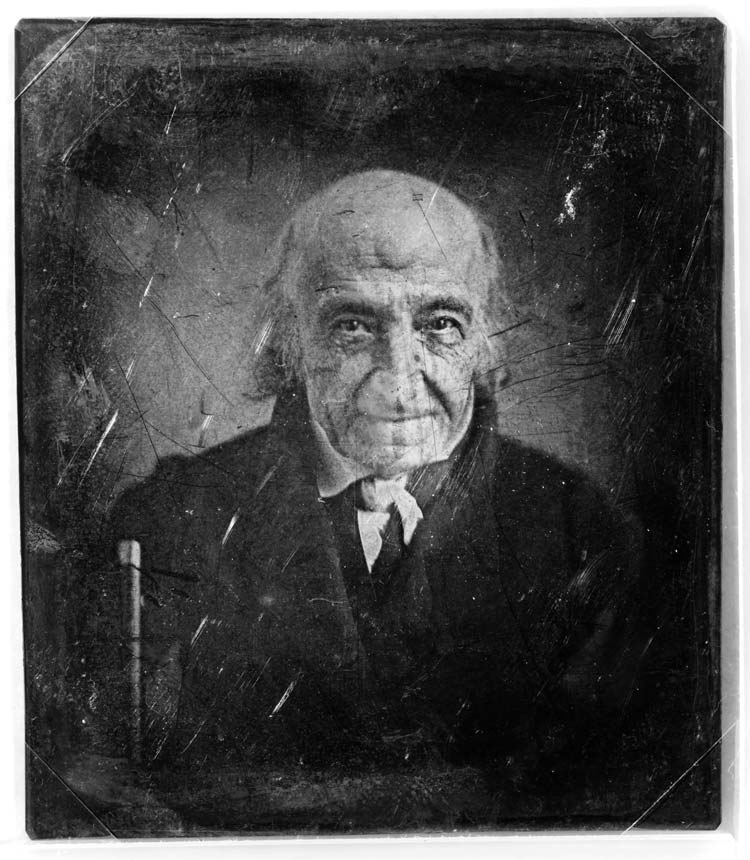
On January 29, 1761, Albert Gallatin was born. Gallatin served as the fourth United States Secretary of the Treasury — a post in which he served longer than any other in American history — advanced the anthropological and linguistic study of native Americans, and became the subject of a biography by Henry Adams. Called the “father of American ethnology,” he has been honored with a 1967 U.S. stamp as well as many place names, including the Gallatin National Forest in Montana.
My own belief, more than once set afloat from this spot, is that it will take us, soon or late, into the stormy waters of Fascism. To be sure, that Fascism is not likely to be identical with the kinds on tap in Germany, Italy and Russia; indeed, it is very apt to come in under the name of anti-Fascism. And its first Duce, whether the Hon. Mr. Roosevelt or another, will not call himself a dictator, but a scotcher of dictators
.

The eternal question, with a partial answer over at Townhall.com.