Categories
Thought

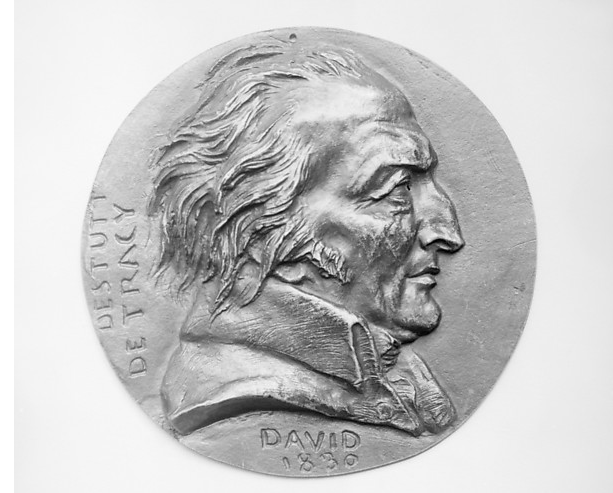
Destutt de Tracy

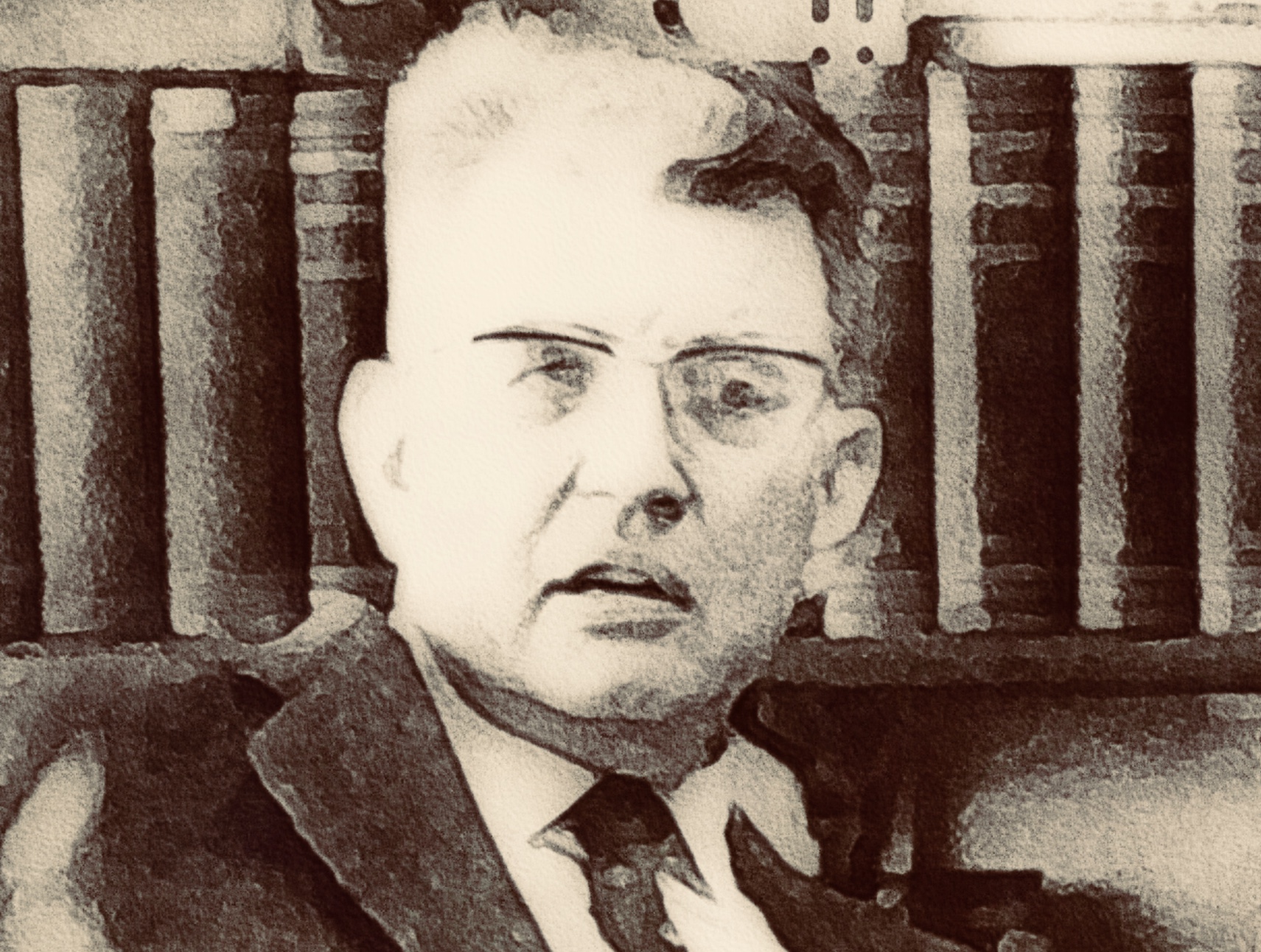
[W]ith respect to economy . . . [u]nder this relation society consists only in a continual succession of E X C H A N G E S, and exchange is a transaction of such a nature that both contracting parties both gain by it. . . .

We cannot cast our eyes on a civilized country without seeing with astonishment how much this continual succession of small advantages, unperceived but incessantly repeated, adds to the primitive power of man.

It is because this succession of changes, which constitutes society, has three remarkable properties. It produces concurrence of force, increase and preservation of intelligence and division of labour.

The utility of these three effects is continually augmenting.


M. Destutt Tracy, Traité de la volonté, English translation titled A Treatise on Political Economy (Georgetown, D.C.: Joseph Milligan; W. A. Rind & Co. Printers, 1817), pp. xvi-xvii.
Categories
Today

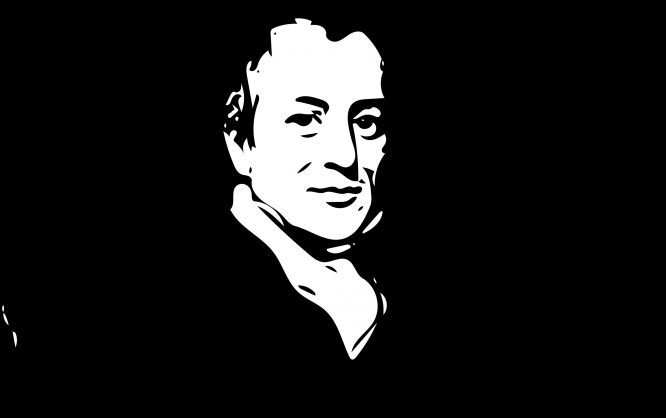
David Ricardo

April 18 marks the 1772 birthday of David Ricardo, English political economist and one of the most influential thinkers in economic theory. An advocate for free trade and the abolition of slavery, Ricardo’s most famous work is his Principles of Political Economy and Taxation (1817).

Categories
Today

Ronald Hamowy

April 17 marks the 1937 birth of Ronald Hamowy, Canadian historian, who first came to international prominence for his writings in the short-lived New Individualist Review. Hamowy died in 2012.

Categories
Thought

Camille Paglia

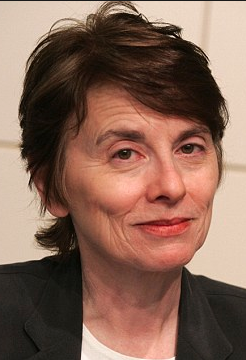
Society is a system of inherited forms reducing our humiliating passivity to nature. We may alter these forms, slowly or suddenly, but no change in society will change nature.


Camille Paglia, Sexual Personae: Art and Decadence from Nefertiti to Emily Dickinson, p. 1.

Categories
Today

Letter from Birmingham Jail

Dr. Martin Luther King, Jr., penned his Letter from Birmingham Jail while incarcerated in Birmingham, Alabama, for protesting segregation, on April 16, 1963.

Categories
Thought

Ronald Coase

If you torture the data long enough, it will confess.

Categories
links

Townhall: Don’t Fiddle with the Franchise

Well, the march to lower the voting age proceeds apace. Click on over to Townhall for Paul’s expanded thoughts from Thursday. Then come back here to expand thoughts on your own:

On Tuesday the 17th, this column appears on this site.

Categories
Today

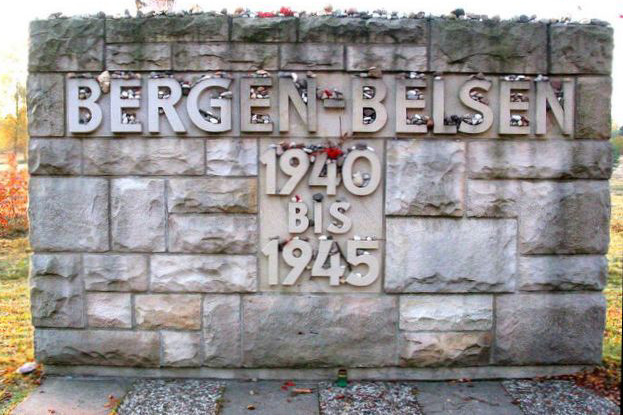
Bergen-Belsen Liberated

On April 15, 1945, the Bergen-Belsen concentration camp was liberated.

Categories
video

Syriasly?

Well, this clears it all up:

But questions remain:

This time they are absolutely sure of their proof of evilness of the enemy:

We really can trust them this time.

Categories
Today

Americanisms

On April 14, 1775, the Society for the Relief of Free Negroes Unlawfully Held in Bondage, the first American organization committed to the abolition of slavery, was formed in Philadelphia.

On April 14, 1818, Noah Webster published his American Dictionary of the English Language, one of the first lexicons to include distinctly American words. The dictionary, which took him more than two decades to complete, introduced more than 10,000 “Americanisms.”

On April 14, 1988, representatives of the Soviet Union, Afghanistan, the United States, and Pakistan signed an agreement calling for the withdrawal of Soviet forces from Afghanistan. In exchange for an end to the disputed Soviet occupation, the United States agreed to end its arms support for the Afghan anti-Soviet factions, and Afghanistan and Pakistan agreed not to interfere in each other’s affairs.