John Cleese is leaving his home country for Nevis, a Caribbean island, and explains why:
Categories
John Cleese’s Exit from Britain

John Cleese is leaving his home country for Nevis, a Caribbean island, and explains why:
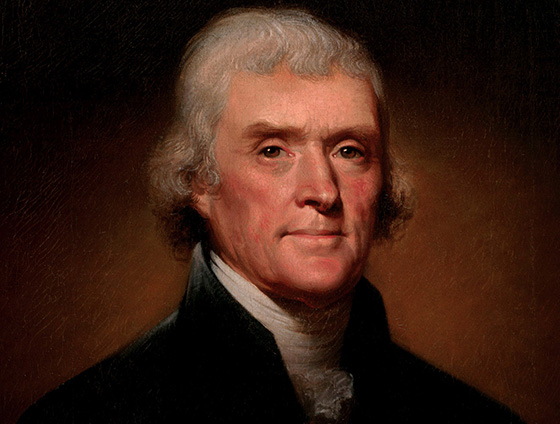
On July 14, 1789, Paris citizens stormed the Bastille. On the same date nine years later, in America, the Sedition Act prohibited the writing, publishing, or speaking false or malicious statements about the United States government.
The passage of this repressive law spurred the formation of the first opposition party in the United States, with Thomas Jefferson [above] as its leader and figurehead.

Mr. Chairman — A worthy member has asked, who are the militia, if they be not the people, of this country, and if we are not to be protected from the fate of the Germans, Prussians, &c. by our representation? I ask who are the militia? They consist now of the whole people, except a few public officers.

On July 13, 1973, the minority (Republican) counsel on the Senate Watergate investigative committee, Donald Sanders, asked Nixon aide Alexander Butterfield if he knew of any recordings made in the Nixon White House, and Butterfield responded, “everything was taped” at least while Nixon was in attendance, and that “there was not so much as a hint that something should not be taped.”
This revelation of the Nixon Tapes transformed the Watergate scandal into a major legal as well as political event, and proved to be one of the most astounding examples of “government transparency” in modern times — indeed, it helped demystify and desanctify the Office of the Presidency, a very republican (if not pro-Republican Party) development.
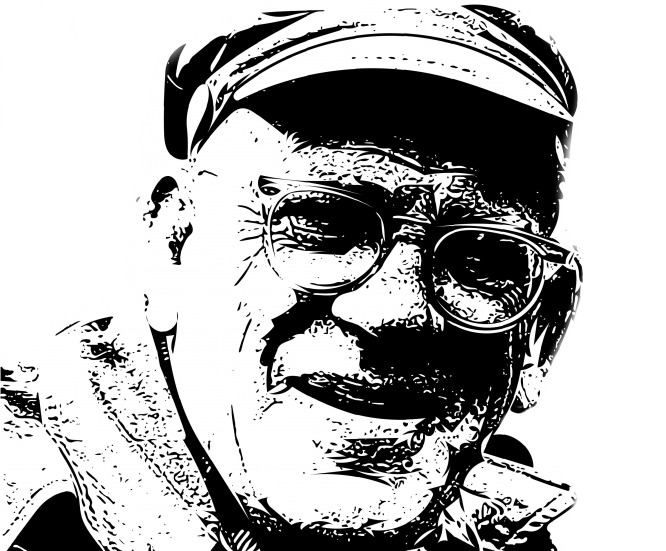
Eric Hoffer, Before the Sabbath, Harper & Row 1979, p. 4.
The Nixon tragedy: A man of unsurpassed courage and outstanding intelligence but without vision. An opportunist who missed his greatest opportunity.
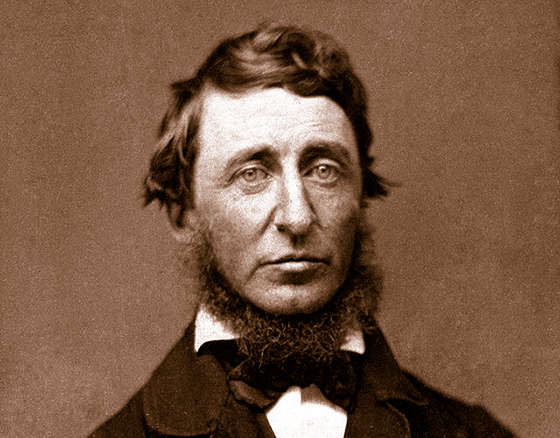
On July 12, 1817, American poet, abolitionist, businessman, and Transcendentalist philosopher Henry David Thoreau was born. He is perhaps best known, today, for his book of meditations on the simple life, Walden, and his influential essay on civil disobedience.
That the people have a Right to mass and to bear arms; that a well regulated militia composed of the Body of the people, trained to arms, is the proper natural and safe defense of a free state, that standing armies, in time of peace, are dangerous to liberty, and therefore ought to be avoided.
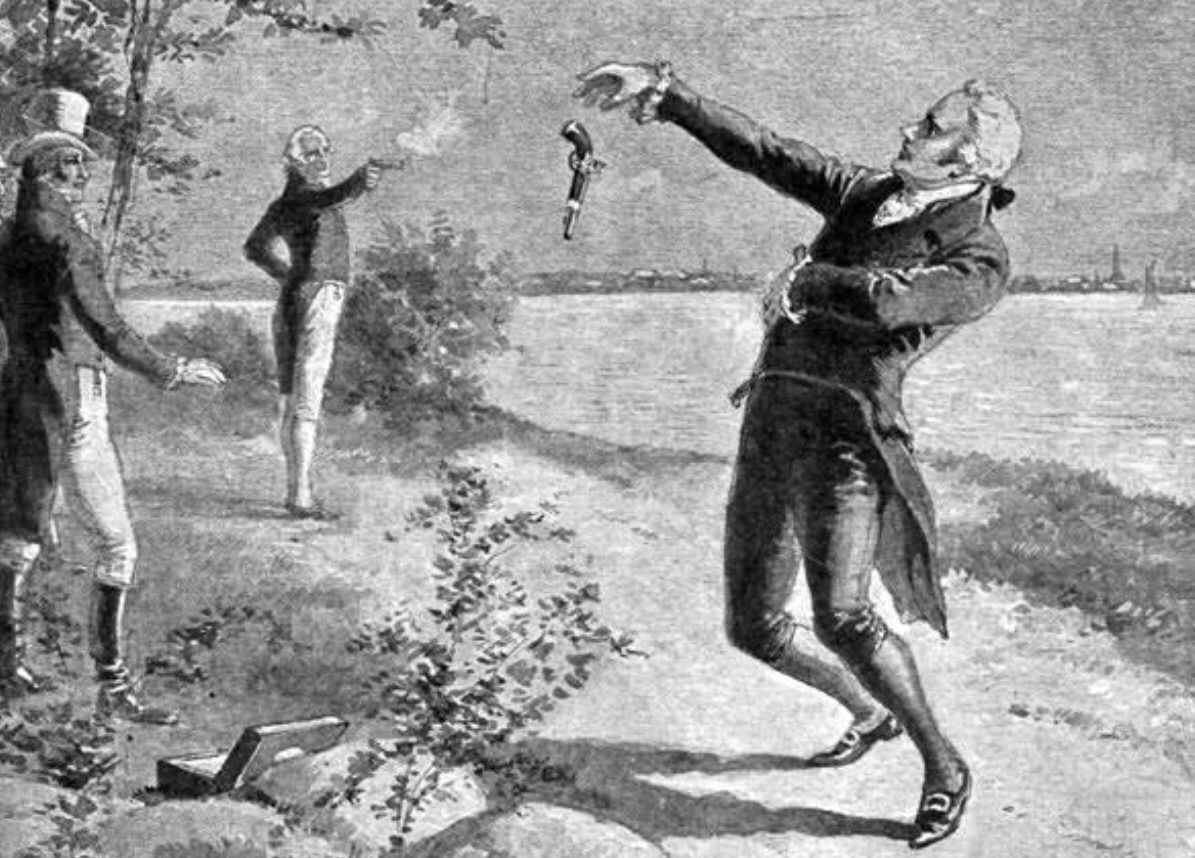
A few hundred years ago, not far from Deas’ Point near Weehawken, N. J., was a ledge 11 paces wide and 20 paces long, situated 20 feet above the Hudson on the Palisades. This ledge, long gone, was the site of 18 documented duels and probably many unrecorded ones in the years 1798–1845. The most famous is the duel between General Alexander Hamilton, first Secretary of the Treasury, and Colonel Aaron Burr, third (and sitting) Vice President of the United States, which took place on July 11, 1804.
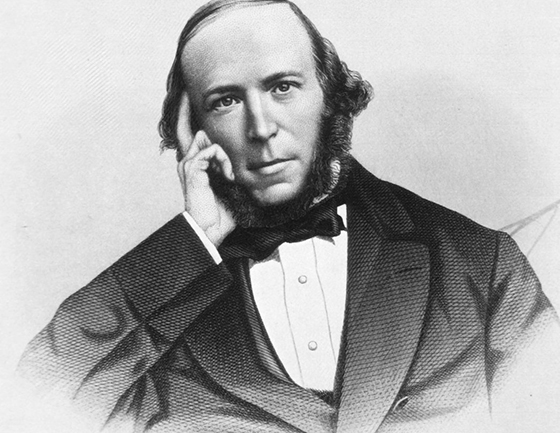
The ultimate result of shielding men from the effects of folly, is to fill the world with fools.
Herbert Spencer, “State-Tamperings With Money and Banks,” Westminster Review (January 1858), which is a review of J. S. Mill’s Principles of Political Economy (1857), Henry Dunning Macleod’s The Elements of Political Economy (1857), Thomas Tooke’s On the Bank Charter Act of 1844 (1856), and James Wilson’s Capital, Currency and Banking (1847). This aphorism was “memed” on this site at https://thisiscommonsense.org////2015/02/09/something-about-folly/.
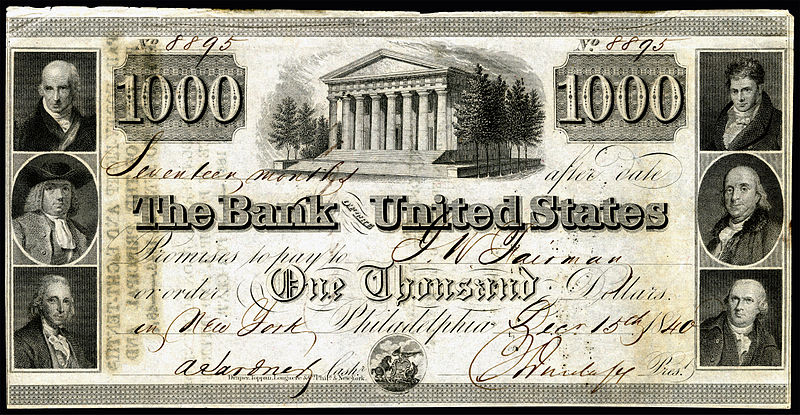
On July 10, 1832, U.S. President Andrew Jackson vetoed a bill to re-charter the Second Bank of the United States, in effect ending formal central banking in the United States until the establishment of the Federal Reserve in 1913.