When a man is treated like a beast, he says, ‘After all, I’m human.’ When he behaves like a beast, he says ‘After all, I’m only human.’
Karl Kraus, as quoted in Thomas Szasz, Karl Kraus and the Soul Doctors (1977).
Karl Kraus
When a man is treated like a beast, he says, ‘After all, I’m human.’ When he behaves like a beast, he says ‘After all, I’m only human.’
Karl Kraus, as quoted in Thomas Szasz, Karl Kraus and the Soul Doctors (1977).
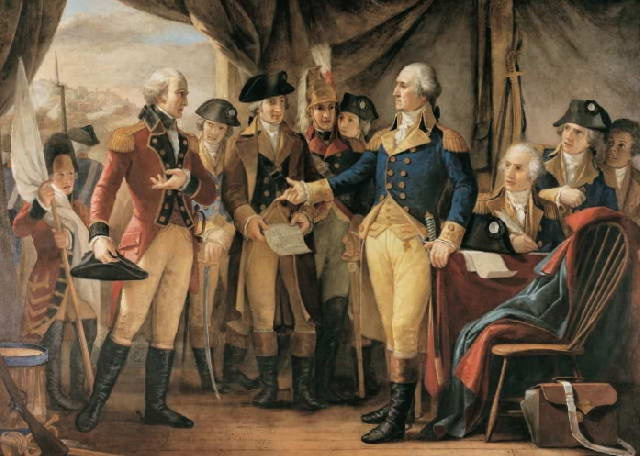
On October 19, 1781, representatives of British commander Lord Cornwallis handed over Cornwallis’s sword and formally surrendered to George Washington and the comte de Rochambeau, at Yorktown, Virginia. The Revolutionary War (or War for Independence, or Colonial Rebellion, or whatever you wish to call it) was over.
In 1918 on this date, conservative writer Russell Kirk was born.
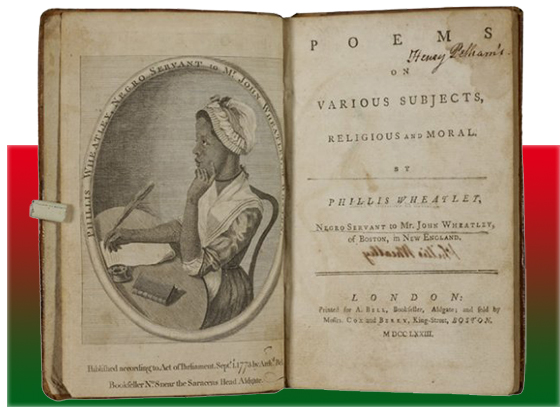
On October 18, 1775, African-American poet Phillis Wheatley was freed from slavery, upon the death of her master. Widely appreciated in her day, she was the first African-American to publish a book.
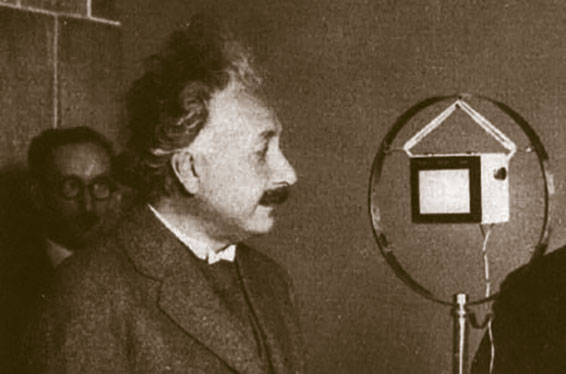
On October 17, 1933, Albert Einstein fled Nazi Germany for the United States.
“There is only one boss: The customer. And he can fire everybody in the company from the chairman on down, simply by spending his money somewhere else.”
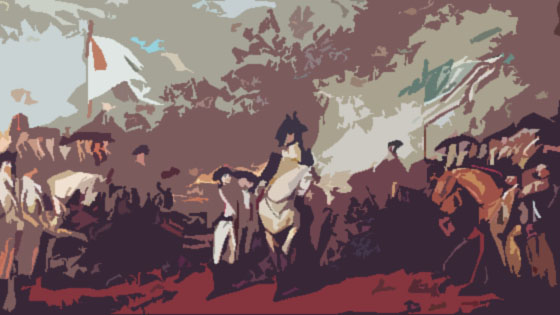
On October 16, 1781, George Washington captured Yorktown, Virginia, after the Siege of Yorktown.
October 16 is a traditional date to award Nobel Peace Prizes, good (Desmond Tutu, 1984), and bad (Henry Kissinger, 1973). Two Nobel laureates were born on October 16, as well: Austen Chamberlain, English statesman, saw daylight first in 1863; Eugene O’Neill, American playwright and Nobel Laureate for Literature, made his debut in 1888.
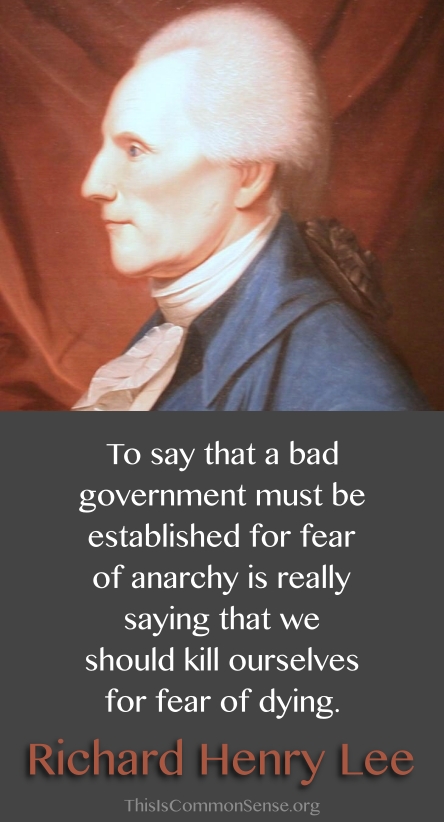
[T]o say that a bad government must be established for fear of anarchy is really saying that we should kill ourselves for fear of dying.
Richard Henry Lee (January 20, 1732 – June 19, 1794), letter to Edmund Jennings Randolph (August 10, 1753 – September 12, 1813), Governor of Virginia, October 16, 1787.
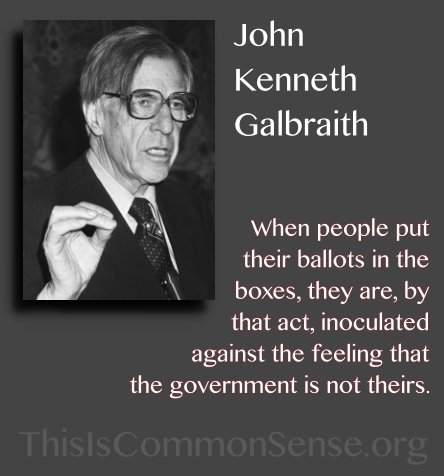
When people put their ballots in the boxes, they are, by that act, inoculated against the feeling that the government is not theirs. They then accept, in some measure, that its errors are their errors, its aberrations their aberrations, that any revolt will be against them. It’s a remarkably shrewd and rather conservative arrangement when one thinks of it.
John Kenneth Galbraith, The Age of Uncertainty (1977), p. 330.
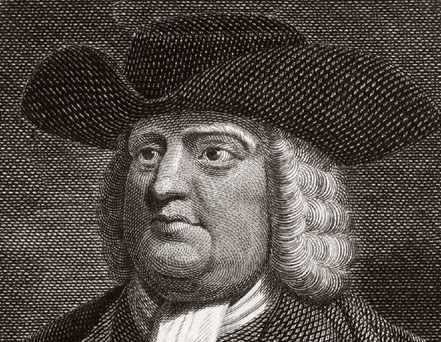
On October 14, 1644, Willliam Penn was born. An English real estate entrepreneur, philosopher, and founder of the Province of Pennsylvania (the English North American colony and future Commonwealth of Pennsylvania), he was an early champion of democracy and religious freedom, notable for his good relations and successful treaties with the Lenape Indians. Penn died in 1718.
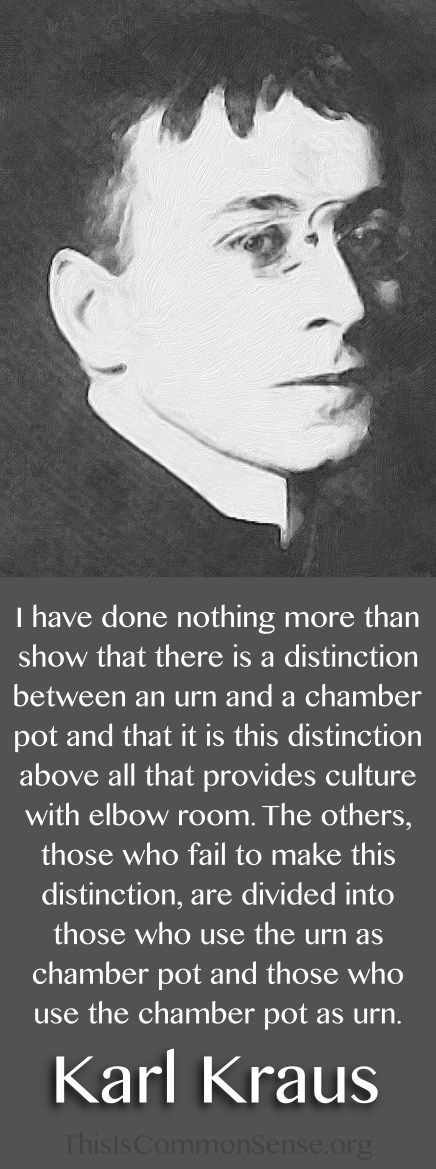
I have done nothing more than show that there is a distinction between an urn and a chamber pot and that it is this distinction above all that provides culture with elbow room. The others, those who fail to make this distinction, are divided into those who use the urn as chamber pot and those who use the chamber pot as urn.
Karl Kraus, as quoted in Thomas Szasz, Karl Kraus and the Soul Doctors (1977).