Categories
Thought

Yves Guyot

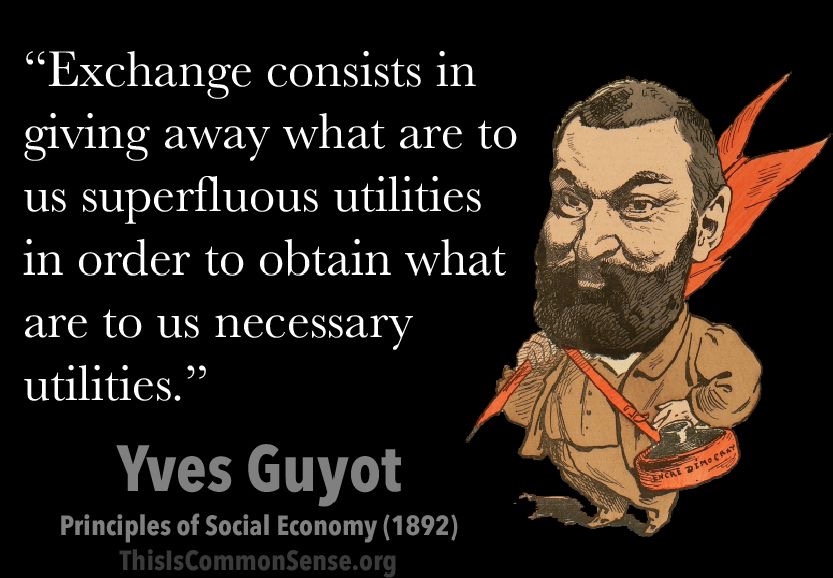
With the development of civilisation, man’s wants become more various, and his aptitudes more specialised. The consequence is, that he can produce more utilities than before; but these utilities are more limited in their nature; they are all of one kind. He now produces, not so much what he wants, as what others want. Hence it comes to pass that exchange becomes an ever more imperious necessity; for exchange consists in giving away what are to us superfluous utilities in order to obtain what are to us necessary utilities.

Yves Guyot, Principles of Social Economy (1892).
Categories
Thought

Richard von Strigl

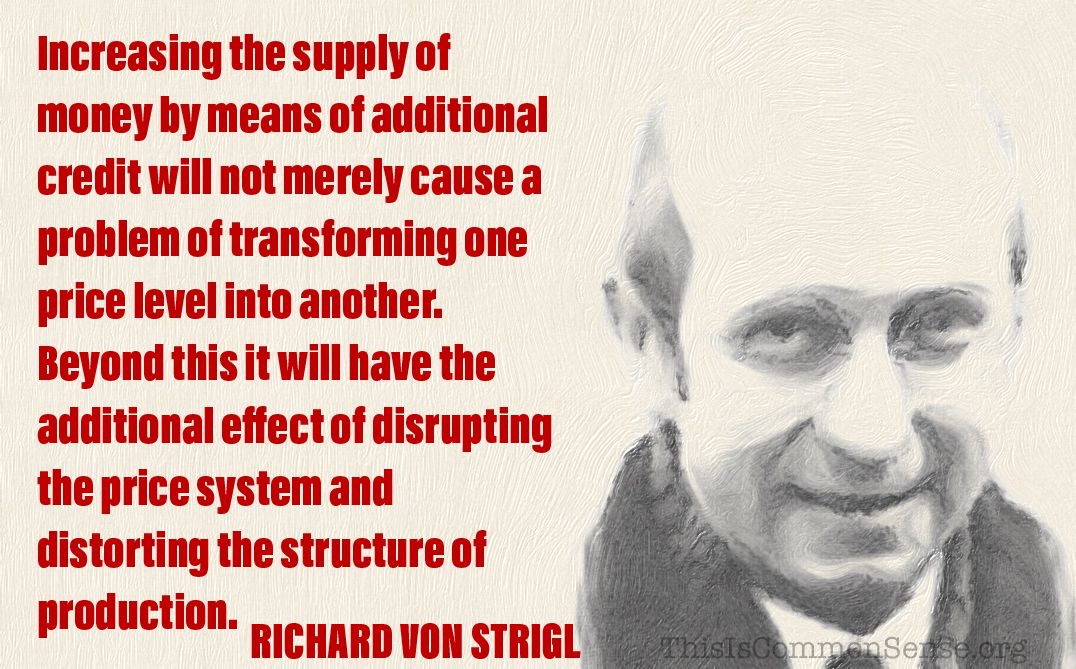
[I]ncreasing the supply of money by means of additional credit will not merely cause a problem of transforming one price level into another. Beyond this it will have the additional effect of disrupting the price system and distorting the structure of production.

Richard von Strigl, Capital and Production (1934; Margaret Rudelich Hoppe and Hans-Hermann Hoppe, translators, 2000), final paragraph.
Categories
Today

Spain and Bagehot

On February 3, 1783, Spain recognized United States independence.

Walter Bagehot (pronounced “badge-it”; pictured), famed editor of The Economist and author of Lombard Street, was born on this date in 1826.

Categories
Today

Groundhog!

On February 2, 1887, Punxsutawney, Pennsylvania, celebrated the first Groundhog Day. On the same day in 1976, the Groundhog Day gale hit the north-eastern United States and south-eastern Canada.

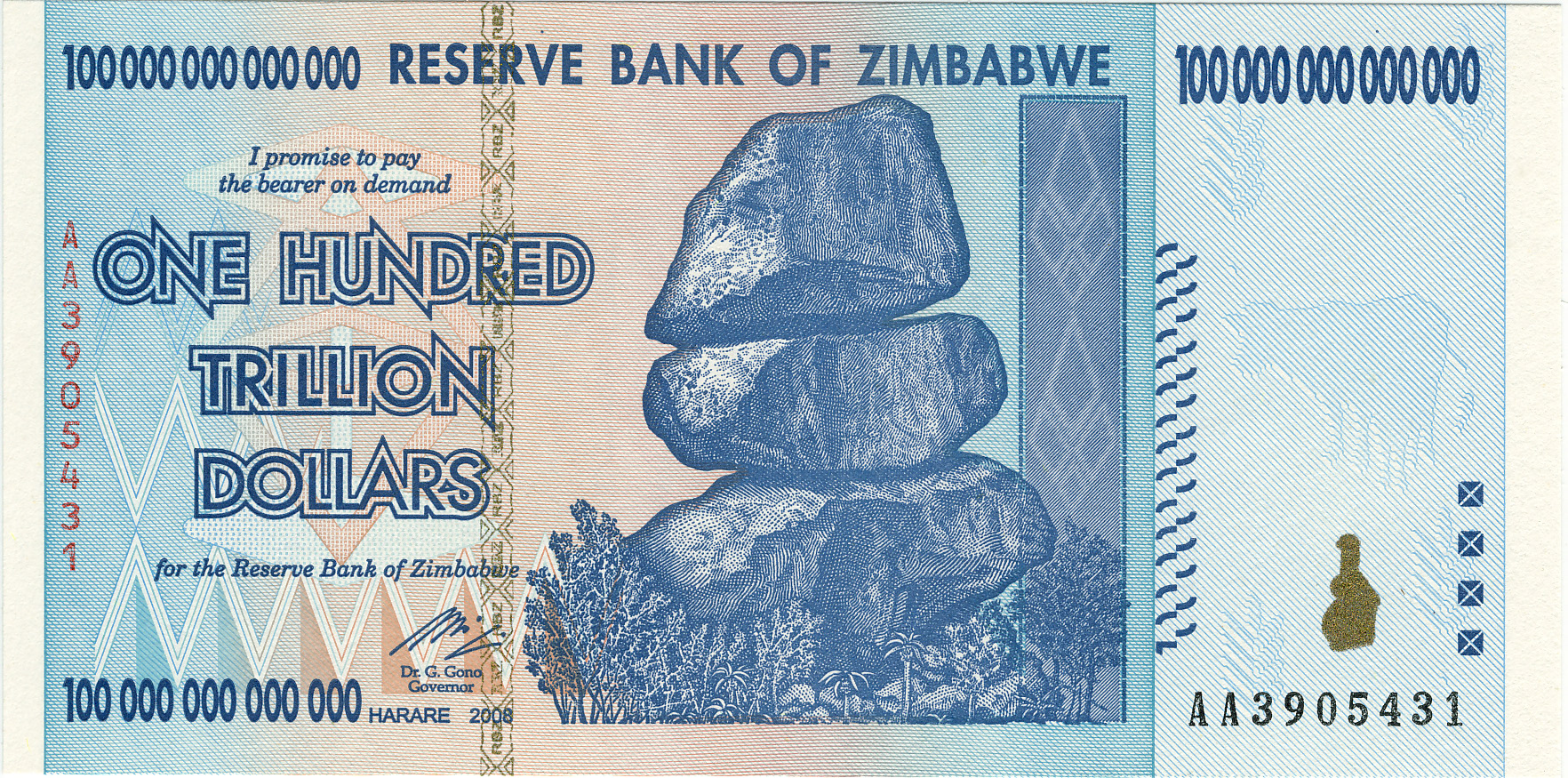
In 2009, the Reserve Bank of Zimbabwe officially devalued the Zimbabwean dollar for the third and final time, making Z$1 trillion now only Z$1 of the new currency, equivalent to Z$10 septillion before the first devaluation. Politicians in Zimbabwe looked up, saw their shadow, and realized that they had only a couple months more of their inflation binge. Indeed, the legalization of trading currencies, the previous month, had sealed the fate of Zimbabwe’s independent dollar. The Zimbabwean dollar was abandoned officially on the 9th of April, 2009.

Categories
Thought

Tim Shoebridge

Unfortunately, we live in some weird times these days and common sense is about as rare as an ARP 2500.

Tim Shoebridge, reviewing the Behringer 2500 synthesizer, a modular knock-off of the classic ARP.
Categories
Today

Slavery Abolished

On February 1, 1835, slavery was abolished in Mauritius. Twenty-six years later, in the American Civil War, Texas seceded from the United States. On this date in 1865, President Abraham Lincoln signed a Joint Resolution from Congress formally submitting the proposed Thirteenth Amendment to the United States Constitution to the states for ratification.

This Amendment abolished chattel slavery throughout the union.

Categories
by Paul Jacob video

Watch: Even Libertarians…

This Week in Common Sense, January 31, 2021.
Categories
audio podcast

Listen: Even Libertarians (but NOT Chinazis)

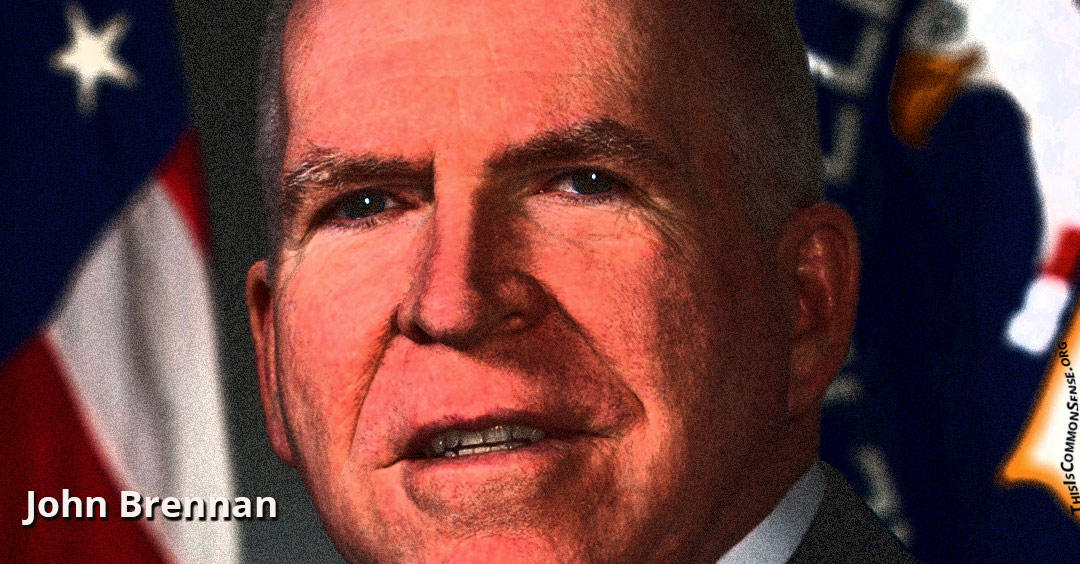
Paul Jacob appraises the John Brennan and China threats.

Categories
Thought

James Mill

Every man should be considered as having a right to the character which he deserves; that is, to be spoken of according to his actions.

Categories
Today

Gallatin

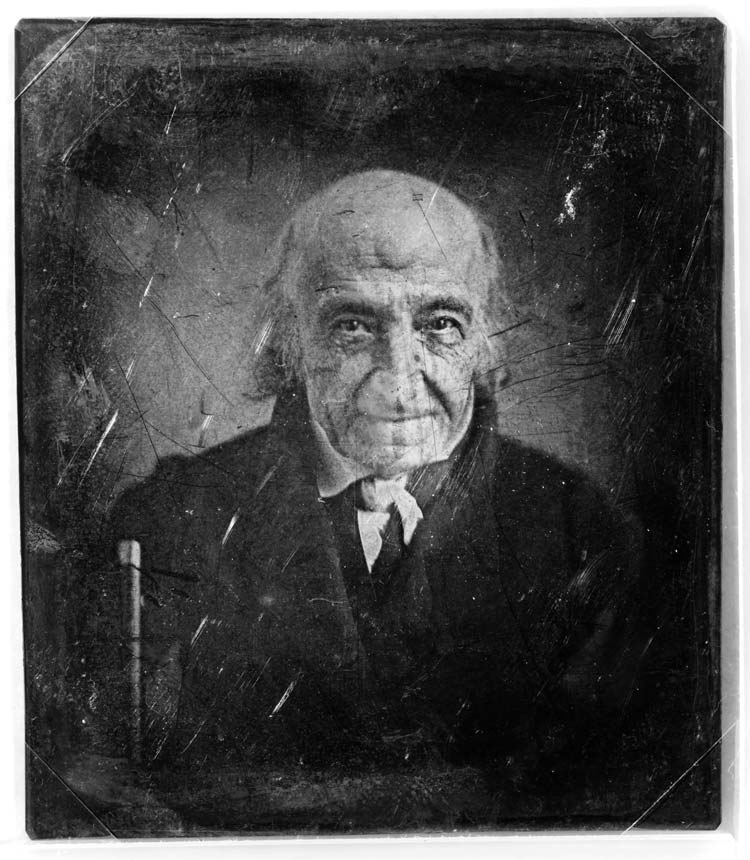
On January 29, 1761, Albert Gallatin was born. Gallatin served as the fourth United States Secretary of the Treasury — a post in which he served longer than any other in American history — advanced the anthropological and linguistic study of native Americans, and became the subject of a biography by Henry Adams. Called the “father of American ethnology,” he has been honored with a 1967 U.S. stamp as well as many place names, including the Gallatin National Forest in Montana.