On May 10, 1872, Victoria Woodhull became the first woman nominated for President of the United States.
In a landmark Supreme Court decision on May 10, 1893, the tomato was ruled a vegetable, not a fruit.

On May 10, 1872, Victoria Woodhull became the first woman nominated for President of the United States.
In a landmark Supreme Court decision on May 10, 1893, the tomato was ruled a vegetable, not a fruit.

Their recent filing quotes a ruling which argues that it“violates the First Amendment ‘if the government coerces or induces [a private entity] to take action the government itself would not be permitted to do, such as censor expression of a lawful viewpoint.’”
The plaintiffs observe that this has been happening for years, “culminating in . . . open and explicit censorship programs,” and they ask the court to permanently enjoin such unlawful conduct.
Separately, twenty attorneys general (including Schmitt and Landry) have sent a letter to Homeland Security Secretary Alejandro Mayorkas about the agency’s new board instituted to counter unapproved speech.
The AGs threaten to “consider judicial action” if Mayorkas doesn’t “disband this Orwellian Disinformation Governance Board immediately.”
According to the letter, the board “will inevitably have a chilling effect on free speech.”
It is, I suppose, conceivable that if a suit were filed the Biden administration would recognize that it can’t win and would dissolve the board immediately. So far, though, the administration has just been barreling ahead with bad policies unless and until legally thwarted.
So why are the AGs even bothering with a letter that must have even less effect than a filing?
Now the letter has been submitted. Fine. Give Mayorkas ten minutes to shut down the board. Has he shut it down? No.
Sue!
This is Common Sense. I’m Paul Jacob.
See all recent commentary
(simplified and organized)
See recent popular posts
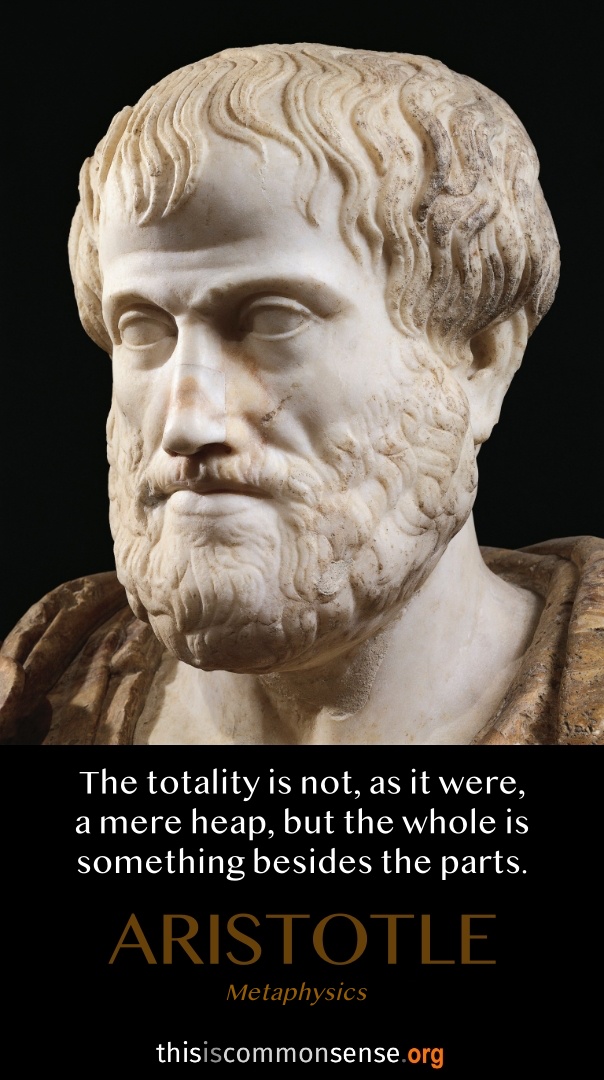
The totality is not, as it were, a mere heap, but the whole is something besides the parts.
Aristotle, Metaphysics, Book VIII.
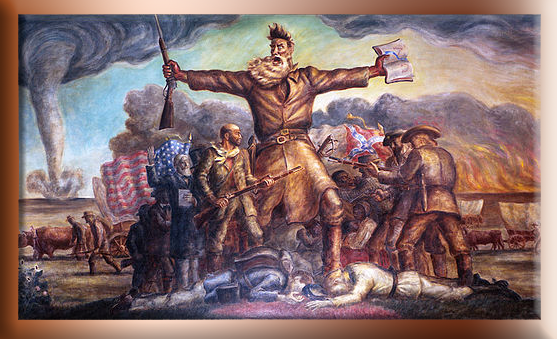
On May 9, 1800, abolitionist hero and revolutionary (and, depending upon your point of view and certain definitions, insurrectionist, perhaps even terrorist) John Brown was born.
In 1883 on this date, Spanish philosopher José Ortega y Gasset was born. He is most famous for his book The Revolt of the Masses.

Finding the lead lining of a silver story from Florida — and other adventures.

Machiavelli is the complete contrary of a machiavellian, since he describes the tricks of power and “gives the whole show away.” The seducer and the politician, who live in the dialectic and have a feeling and instinct for it, try their best to keep it hidden.
Maurice Merleau-Ponty, Éloge de la philosophie (1953; In Praise of Philosophy, 1963), p. 59.
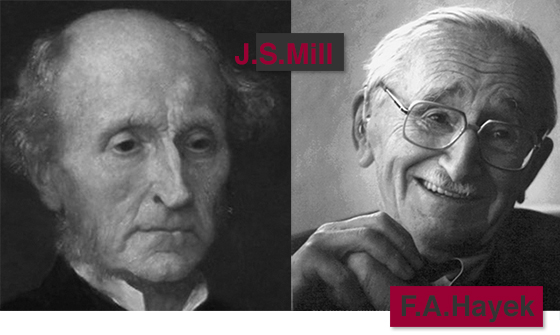
On May 8, 1899, Austrian-English economist and philosopher Friedrich August von Hayek was born. He signed the bulk of his books written in the English language as “F.A. Hayek,” and is best known for The Road to Serfdom, The Constitution of Liberty, The Fatal Conceit, and many essays, several of them widely cited, including “Individualism, True and False” and “The Use of Knowledge in Society.”
Years earlier, on the same date in 1873, English philosopher and economist John Stuart Mill died. Now best known for On Liberty (1859) and Utilitarianism (1861), he was and is considered one of the most important economists and philosophers of the Victorian age, with other classics including A System of Logic (1843) and Principles of Political Economy (1848). Mill’s letters to his wife were edited into book form by Hayek.
On May 8, 1946, two Estonian school girls (Aili Jõgi and Ageeda Paavel) blew up the Soviet memorial which stood in front of the Bronze Soldier in Tallinn.
There has been good news this week. But don’t flinch from looking at the bad news, too!
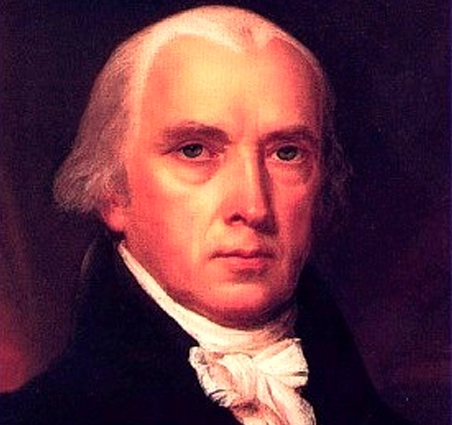
On May 7, 1992, the State of Michigan ratified a 203-year-old proposed amendment to the United States Constitution, thereby fulfilling the terms of amending the document, adding it as 27th Amendment. The amendment had been written by James Madison. He had presented it as part of the original twelve amendments that became the ten making up the Bill of Rights. It bars the U.S. Congress from giving itself a pay raise until after the next election, so that voters have a chance to decide whether those voting for the raise would remain in Congress to receive it.

The truly good and wise man will bear all kinds of fortune in a seemly way, and will always act in the noblest manner that the circumstances allow.
Aristotle, Nicomachean Ethics, Book I.