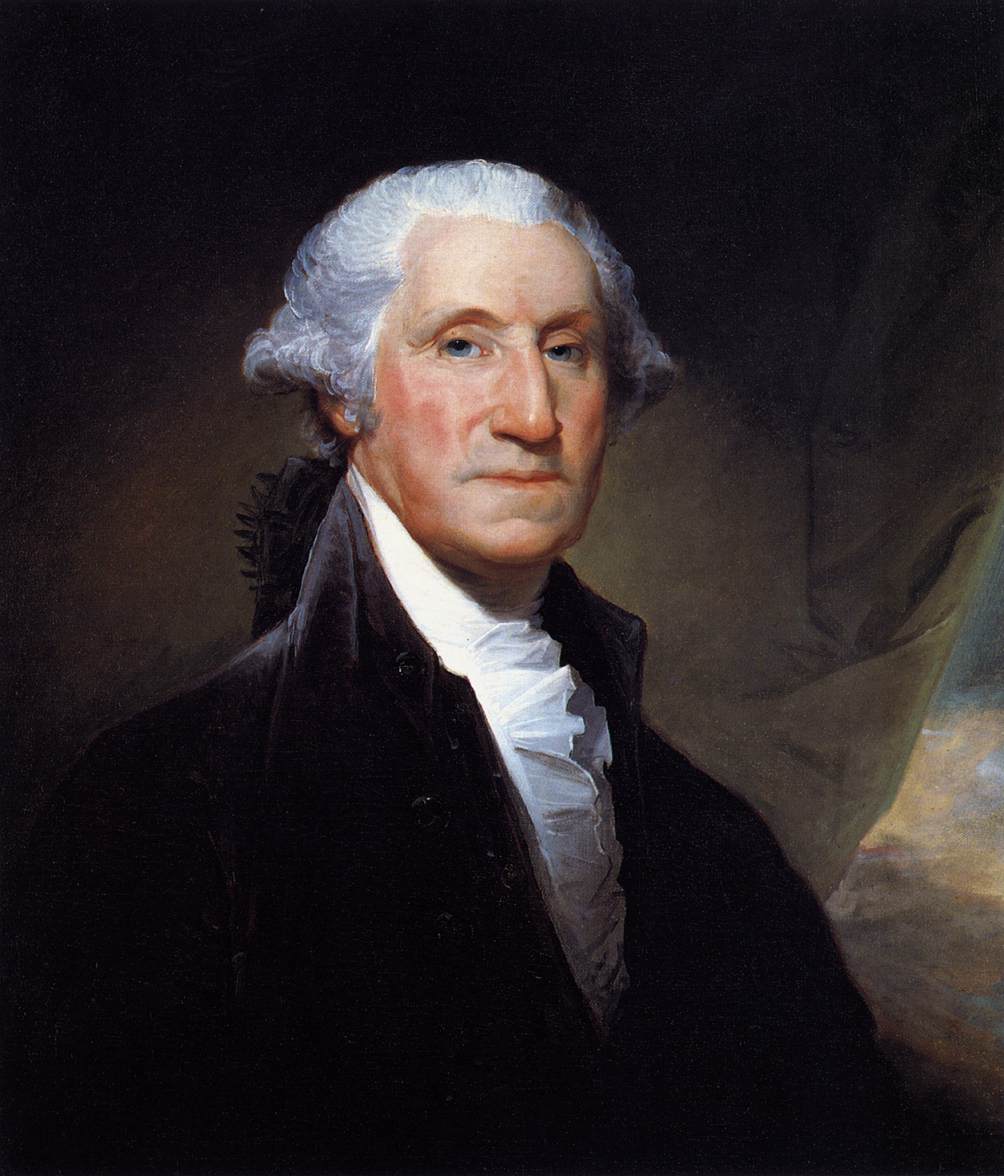
 Arbitrary power is most easily established on the ruins of liberty abused to licentiousness.
Categories
Arbitrary power is most easily established on the ruins of liberty abused to licentiousness.
Not everything new is wonderful.
When a company improves its operations, it seeks to do so in a way that decreases costs or produces features customers want enough to pay for. It works to ensure that the benefits of adopting new procedures outweigh the costs.
At least, this is what profitable companies do when free to act in accordance with their reason for being.
Government regulations clash with this, however. One of the “we have to pass the bill so that you can find out what is in it” provisions of Obamacare, for example, forces medical practitioners to convert to electronic record-keeping — even if they think the burden unjustified.
A businessman may be wrong about whether to try a new way — and, if he does adopt an innovation, about how fast or thoroughly to adopt it. If he’s wrong, he’s free to change his mind as evidence comes in. But, in medicine, government edict replaces entrepreneurial judgment.
Mandates and prohibitions are already rife in the medical industry; Obamacare makes a bad situation worse. “In today’s health care system,” writes blogger Rituparna Basu, “a doctor’s judgment as to whether it makes sense to adopt a new technology for his practice is deemed irrelevant. The government is the one calling the shots, and jeopardizing doctors’ practices in the process.”
A sound diagnosis.
The prognosis might not be so negative, however. While governments tend to prescribe uniform, one-size-fits-all “cures,” ongoing advances in genetics point the other direction, to individualizing medical practice, finding specific causes of illnesses, and developing genetics-informed, patient-specific cures.
But it’s just possible that individually focused medicine would be enhanced by a healthy dose of individual freedom.
This is Common Sense. I’m Paul Jacob.
Happiness and moral duty are inseparably connected.
What the goat does, the kid follows.
Protecting the peace isn’t easy. Sometimes it calls for extraordinary action. Like a recent police assault to capture and kill an outlaw . . .
In this case, the targeted outlaw wasn’t really a person at all, but a fawn named Giggles.
The baby deer was being illegally held by the Society of St. Francis no-kill animal shelter and farm near Kenosha, Wisconsin, without the required state permit. Giggles had been nursed back to health by shelter employees, who told reporters they were within days of moving the fawn to an Illinois wildlife facility.
Four sheriff deputies and nine Department of Natural Resources agents took the heavily-armed SWAT-like approach, and, through “aerial surveillance,” were able descend upon the fawn and kill it.
It is policy to euthanize because of the potential for disease and danger to humans.
“That’s one hell of a policy,” said the man who had cared for the dangerous Giggles.
Why the rush to kill this deer? And, why not make a phone call to talk to the folks at the Society of St. Francis, instead of a launching a military-style assault?
“If a sheriff’s department is going in to do a search warrant on a drug bust,” DNR spokeswomen Jennifer Niemeyer explained, “they don’t call them and ask them to voluntarily surrender their marijuana or whatever drug that they have before they show up.”
Right. No quarter is given to outlaws. Even if they are innocent forest creatures who had received illegal charity from well-meaning humanitarians.
This is Common Sense? I’m Paul Jacob.
One of the Nanny State’s ninniest nannies is New York City Mayor Michael Bloomberg, eager to save New Yorkers from big cups of sugary drinks. Big Soda supposedly makes you tubby. Bloomberg feels that it is the government’s job to prevent such tubbiness. (No word yet on bans of big chocolate, big hamburger, big pizza . . .)
In July, a court upheld a prior ruling that the NYC Board of Health had exceeded its bounds by trying to ban certain Big Soda sales. According to the Times, the justices objected to “exceptions and carve-outs in the rule [that] demonstrated that the board was concerned with matters beyond its core mission to improve public health. . . .”
The now-banned ban was indeed full of carve-outs and contradictions — unavoidable this side of a totalitarian state. To achieve its goals consistently, the government would have to monitor our every sip. How much more must it have to do to really stop us from gaining “too much” weight, Bloomberg’s rationale for the assault on Big Soda sales?
It is not government’s job to compel good living by violating the very political rights that we need in order to live well. Its job is to safeguard those rights; i.e., to safeguard the freedom to make choices about matters big and small according to our own judgment. A state that bans every conceivable “wrong” choice also prohibits our means of making the choices that are — for each of us, given our individual purposes and priorities — the right choices.
This is Common Sense. I’m Paul Jacob.
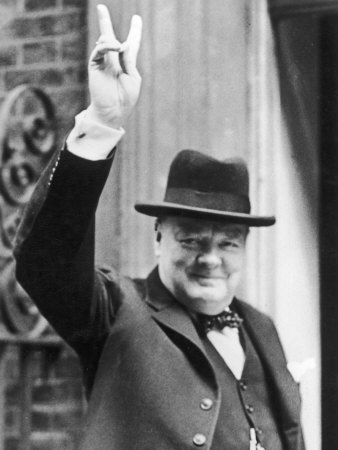 What is the use of living, if it be not to strive for noble causes and to make this muddled world a better place for those who will live in it after we are gone?
 The only man I know who behaves sensibly is my tailor; he takes my measurements anew each time he sees me. The rest go on with their old measurements and expect me to fit them.
This weekend’s Common Sense column at Townhall.com looks at the latest political battles over gun-ownership rights in the two states of the union that have also legalized marijuana. Shoot on over, and reload back here, with more information:
 A state of war only serves as an excuse for domestic tyranny.