“Progress is a new season and the rule of progress is everything in its season.”
Henry Ford, May 15, 1923.
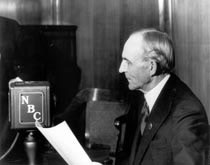
“Progress is a new season and the rule of progress is everything in its season.”
Henry Ford, May 15, 1923.

Why did Dr. Ben Burris give up his orthodontic license? Where did he go wrong?
Dr. Burris broke the law. He flagrantly violated the hallowed precepts of the Arkansas Dental Practices Act. Let me rinse and spit out the truth: This dentist illegally cleaned people’s teeth.
Not just once — he did it again and again. Often twice a year per patient — or victim, depending on your viewpoint.
Plus, brace yourself, he didn’t merely scrub their choppers, he did so — get this — at very low cost.
We need strong laws to stop such scoundrels.
That bastion of wisdom, the State of Arkansas, has no qualms about Dr. Burris’s qualifications to remove plaque from our incisors, canines and molars, having licensed him to practice dentistry. The problem is actually that Dr. Burris is over-qualified.
Especially to charge low prices!
Burris got licensed in a specialty: Orthodontia. You see, according to state law, a dentist so licensed “must limit his or her practice to the specialty in which he or she is licensed except in an emergency situation.”
Only after terrorist attacks or earthquakes can society risk allowing Orthodontists to daringly and brazenly polish people’s teeth. For less.
This particular statutory tyranny aims to close healthcare markets, minimize patient choice and keep dental costs artificially high. Luckily, beyond being maliciously wrongheaded, Arkansas’s dental law is absurdly foolish.
Dr. Burris dropped the federal court challenge being litigated by the Institute for Justice. Why? He discovered that by simply relinquishing his orthodontic license, he could legally practice orthodontics and clean people’s teeth at low cost.
He just can’t call himself an Orthodontist — but can call the law an ass.
This is Common Sense. I’m Paul Jacob.

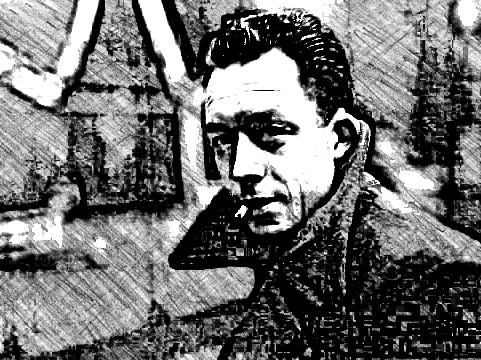
“Charm is a way of getting the answer yes without asking a clear question.”
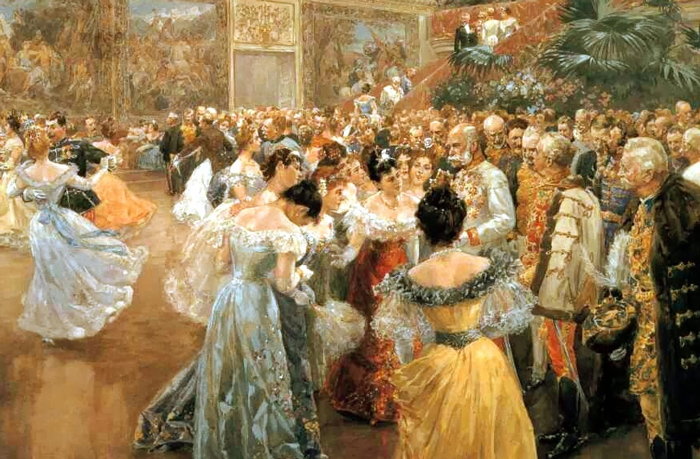
On January 11, 1571, the freedom of religion was granted to Austrian nobility.

It’s the corruption, stupid — not the stupidity. This weekend at Townhall, what is our biggest problem? Click on over, then come back here:
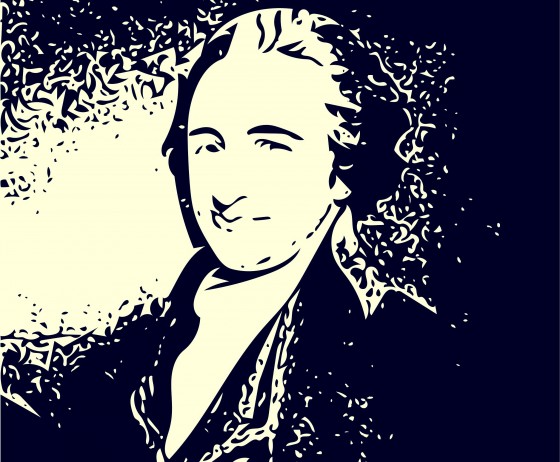
On January 10, 1776, Thomas Paine published Common Sense.
“A pestilence isn’t a thing made to man’s measure; therefore we tell ourselves that pestilence is a mere bogy of the mind, a bad dream that will pass away. But it doesn’t always pass away and, from one bad dream to another, it is men who pass away, and the humanists first of all, because they haven’t taken their precautions.”
Albert Camus, The Plague (1947).
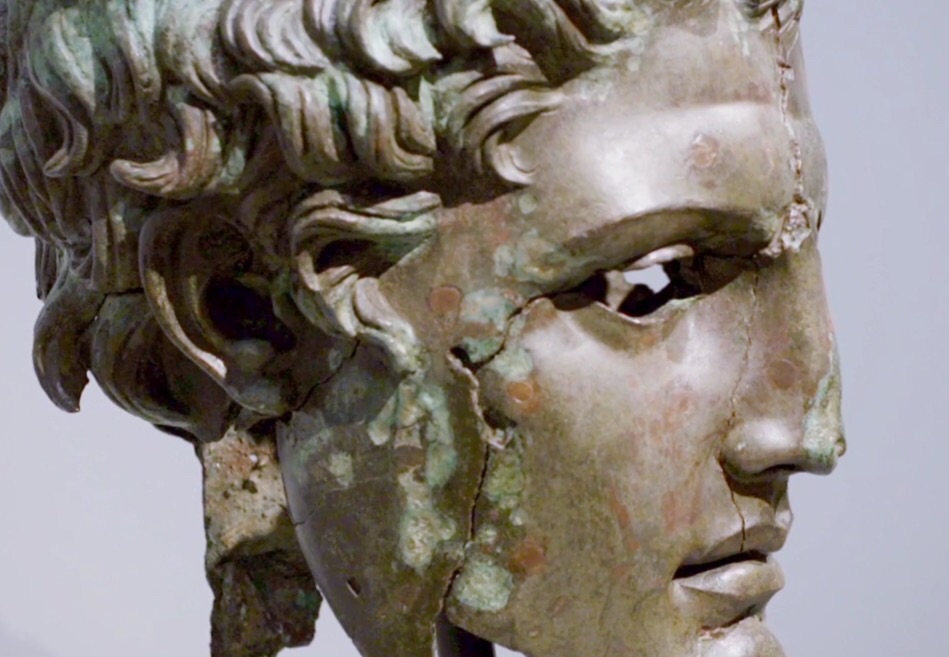
Ancient Greek sculpture, when it got realistic and quite individual:
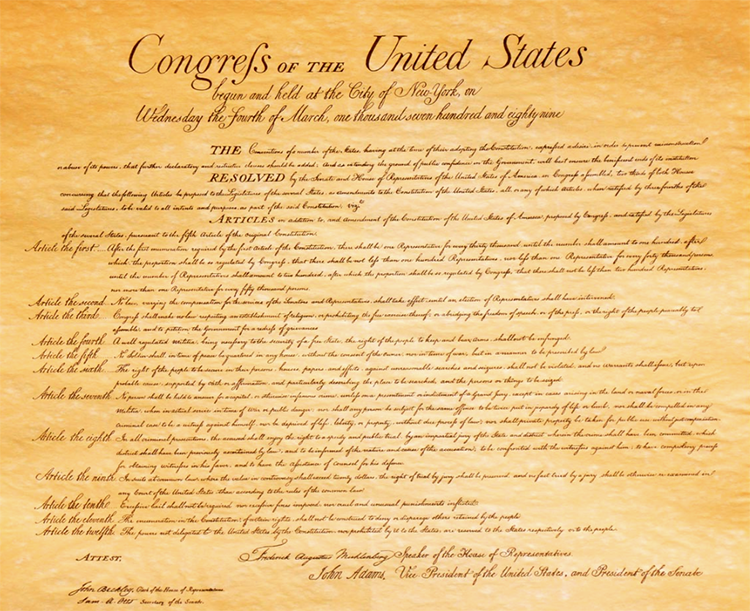
On January 9, 1788, Connecticut became the fifth state to be admitted to the United States under the new Constitution. Connecticut was one of the first nine states of the original union, under the Articles of Confederation, to accept the Constitution, and thus officially ratify it. All 13 original states had ratified that new compact, officially, by May 29, 1790. The first state to be added to the original 13 was Vermont, in 1791.

The King Canute Memorial Award for Clueless Legislation (Winter 2015-16) goes to Senator Bernie Sanders. He had stiff competition from ocean-lowering President Barack Obama, this season, but surely earned it these past few months.
Canute famously warned his advisors that he was no miracle worker. Standing by the sea and commanding the tide to turn only works on a regular schedule — set by natural forces, knowable in advance only after years of careful observation. All the hand-waving, incantations and official edicts cannot change the tide.
The award goes to those most in need of the Full Canute Object Lesson. Sanders’s latest ninnyism begs for just such a lesson: He wants to establish maximum fees for ATMs, down to $2 per transaction.
As everyone knows, some ATMs charge more than others. Why? It is not costless to provide electronic bank inquiries and withdrawals around the country . . . and the world. And profitability varies.
Supply and demand. Entrepreneurs do not offer these services out of charity. Close off profits in some areas, there will be corresponding effects.
From my experience, transaction fees range from about five bucks down to . . . Zero.
I usually pay nothing.
Outlawing fees above some arbitrary maximum will almost certainly ensure there will be fewer ATMs — particularly in low-use areas — and might even raise those zero-priced transactions to one- or two-buck fees.
Prices aren’t arbitrary, so no matter how loudly Bernie Sanders sputters “Unacceptable,” price ceilings aren’t magically going to produce the same service at less cost.
This is Common Sense. I’m Paul Jacob.