It began as online outrage.
Nepal’s government had banned social media, fearing the extremity of sentiment that might be expressed against the regime, but what followed that ban brought down the government. The general mood of protest escalated into nationwide demonstrations, clashes with security forces, and the storming of government buildings, resulting in at least 74 deaths and over 2000 injuries.
But this was not an organized coup. It developed so swiftly from youth protest to the fall of Prime Minister K.P. Sharma Oli’s government* that it sure seemed to be spontaneous, taking just a few weeks’ time (or days’, depending where you set the starting point.)
Interestingly, the government the protesters ousted was communist, as in Marxist-Leninist — but both the ruling CPN-UML and the Maoist Centre are less ideologically rigid than traditional Marxist parties, focusing on nationalism, development, and power-sharing rather than the totalitarian push for utopia.
That is, the commies went straight to the corruption part of the long arc of socialism.
And that’s what young people objected to, focusing special ire on “nepo baby” status examples, the scions of wealthy rulers living life extra-large.
But the low employment rates also mattered, as did the censorship of the Internet, upon which so many Nepalese economically depended.
In fact, the momentum of Nepal’s uprising appears to have been largely driven by domestic digital activism on TikTok and Discord.
It’s not called the “Gen Z Revolution” for nothing.
This is Common Sense. I’m Paul Jacob.
* Protesters battled security forces on September 8; by the next day the parliament building and other government offices were in flames and the prime minister had resigned. The social media ban was lifted. The army imposed a nationwide curfew on the 10th; Sushila Karki, 73-year-old former Supreme Court Chief Justice became Nepal’s first female prime minister on September 12, 2025.
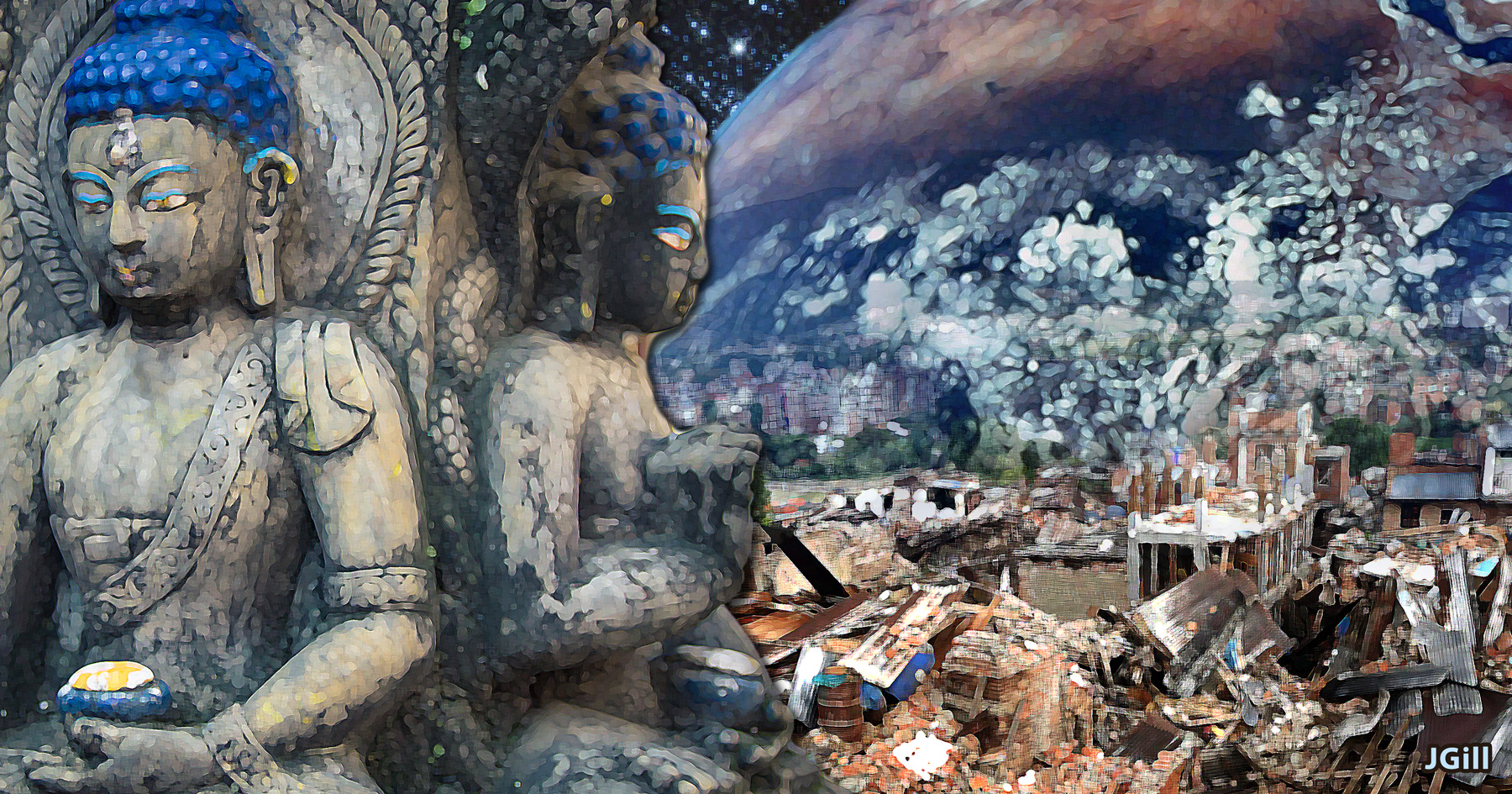
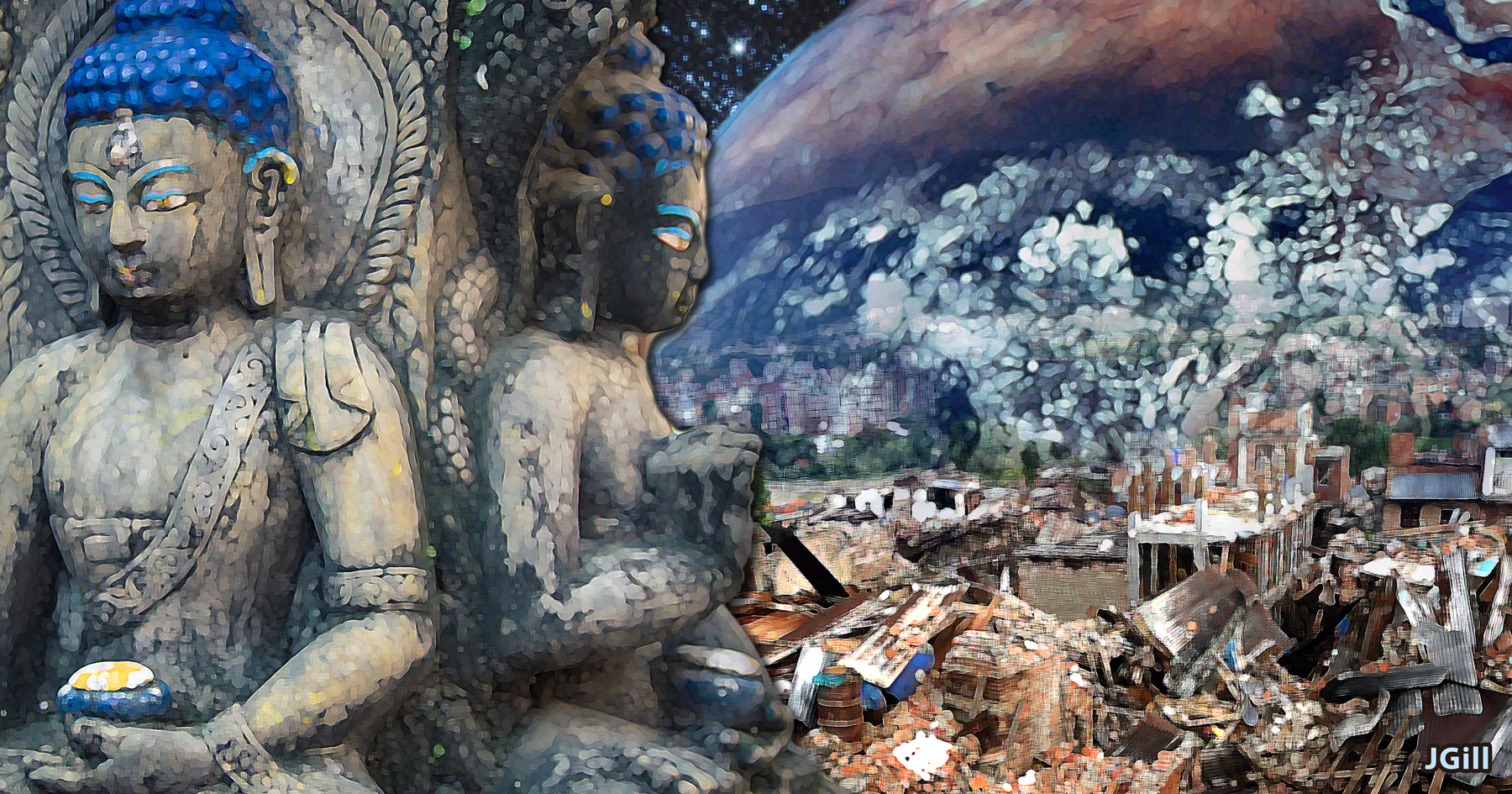
Illustration created with Krea and Firefly
See all recent commentary
(simplified and organized)
See recent popular posts