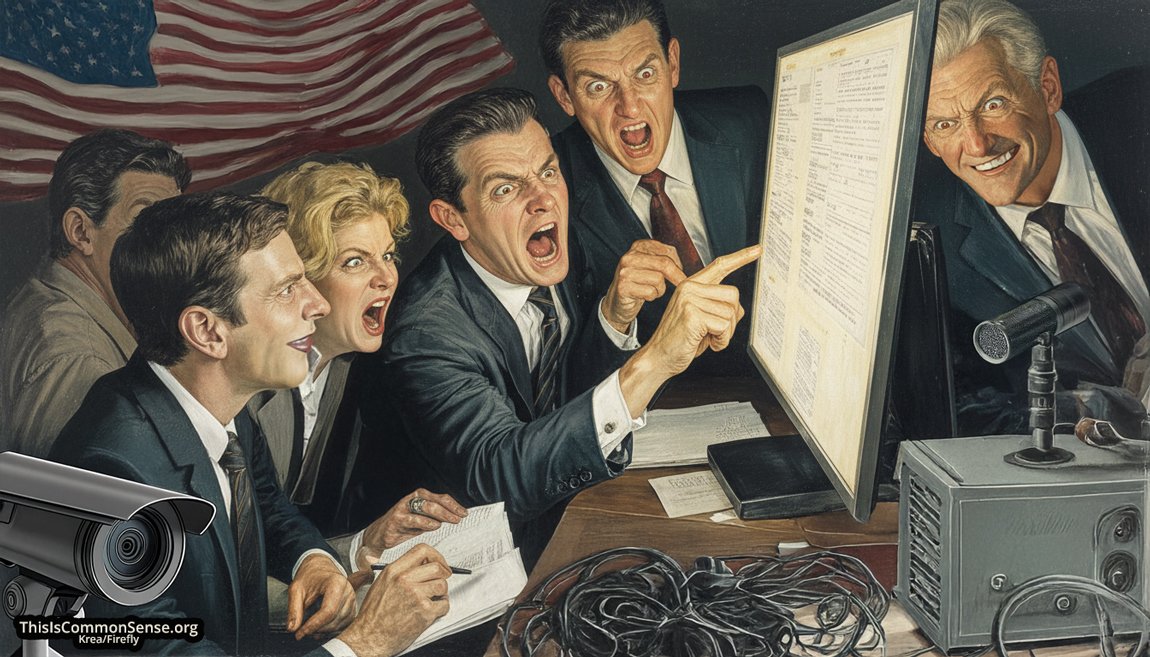
Minnesota’s permit to harass has been interrupted — not halted, because a federal court has granted only a preliminary injunction.
Nancy Brasel, the district judge, has for now blocked Minnesota’s law requiring grassroots advocacy groups to publicly disclose the names and addresses of their vendors because she expects that this requirement will indeed be ultimately thrown out.
Violating, as it does, freedom of speech.
One of the targets of the law is Minnesota Right to Life. One of its vendors dropped MRL with a thud in the middle of a campaign. As MRL’s executive director, Ben Dorr, notes, the challenged law mostly hands “a ready-made ‘enemies list’ to our political opponents.” He counts seven vendors who refused to work with his organization after being harassed by abortion rights proponents.
This harassment is the apparent reason for the disclosure regulation’s existence. When the names and locations of vendors who facilitate spread of political messages is forcibly disclosed, this allows opponents of the message to stoop to any low, such as harassing companies that provide services to organizations trying to get the word out.
What the harassers hope to accomplish, and sometimes do, is frighten vendors into dropping clients who engage in advocacy.
The thugs who would impede speech any way they can sometimes speak of “transparency” as if it were an end in itself. Whether transparency is desirable depends on the context. Citizens have every right to know how much government spends, and on what, and why — transparency is necessary there, because governments belong to citizens. But no crook or bully has an inalienable right to all the information about innocent people that he needs in order to go after them.
This is Common Sense. I’m Paul Jacob.
Illustration created with Krea and Firefly
See all recent commentary
(simplified and organized)
See recent popular posts
One reply on “Permit to Harass, Interrupted”
Next constitution, make legislators and enforcing officials personally liable for the damages resulting from unconstitutional laws, with such debts not dischargeable by bankruptcy.