Categories
America the Debatable — This Week
On July 14, 1789, Paris citizens stormed the Bastille. On the same date nine years later, in America, the Sedition Act prohibited the writing, publishing, or speaking false or malicious statements about the United States government.
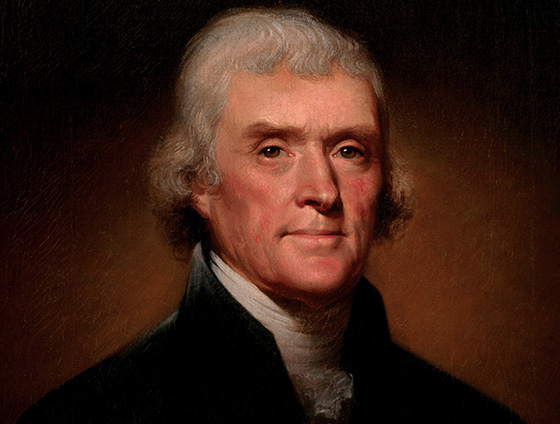
The passage of this repressive law spurred the formation of the first opposition party in the United States, with Thomas Jefferson [above] as its leader and figurehead.
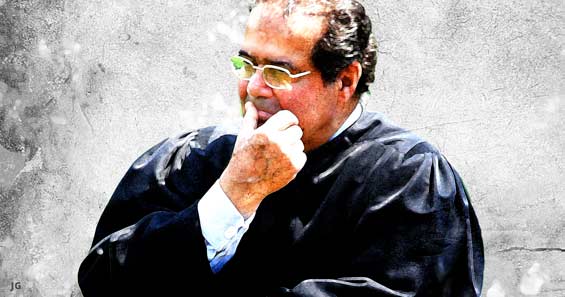
A journalistic purpose could be someone with a Xerox machine in a basement.
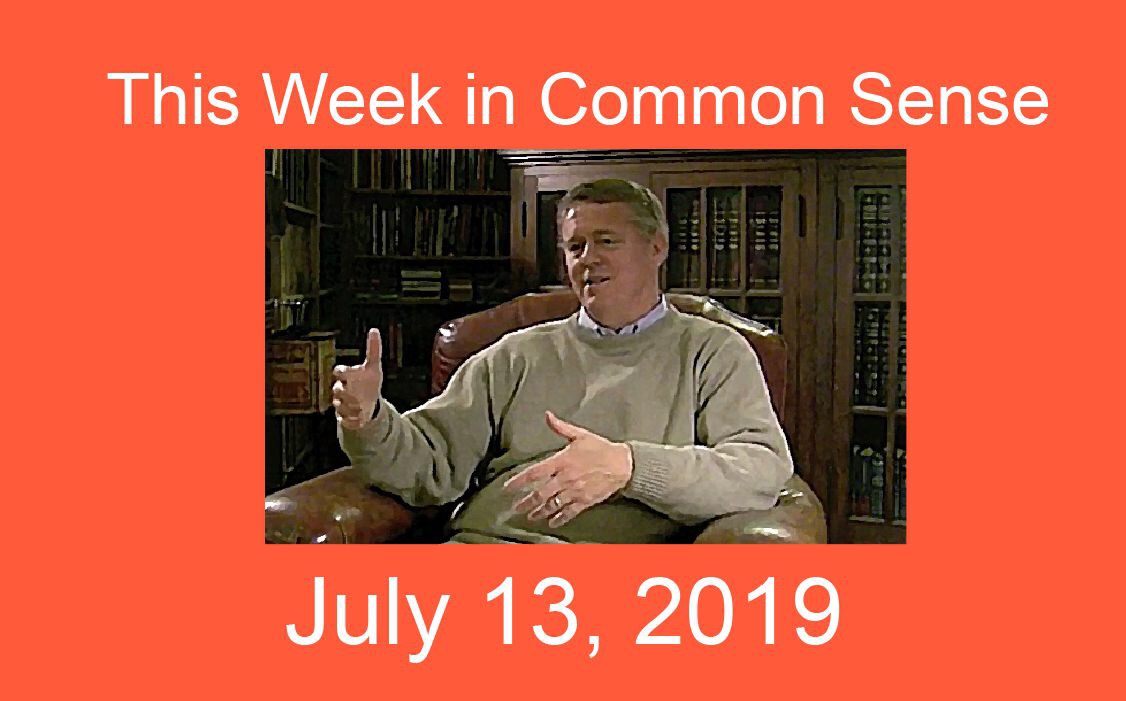
Reviewing this last week’s big stories:

On July 13, 1973, the minority (Republican) counsel on the Senate Watergate investigative committee, Donald Sanders, asked Nixon aide Alexander Butterfield if he knew of any recordings made in the Nixon White House, and Butterfield responded, “everything was taped” at least while Nixon was in attendance, and that “there was not so much as a hint that something should not be taped.”
This revelation of the Nixon Tapes transformed the Watergate scandal into a major legal as well as political event, and proved to be one of the most astounding examples of “government transparency” in modern times — indeed, it helped demystify and desanctify the Office of the Presidency, a very republican (if not pro-Republican Party) development.
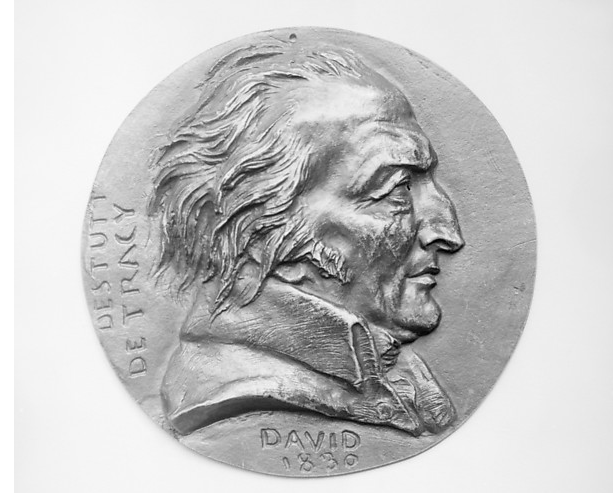
Government is a very great consumer, living not on its profits but on its revenues.
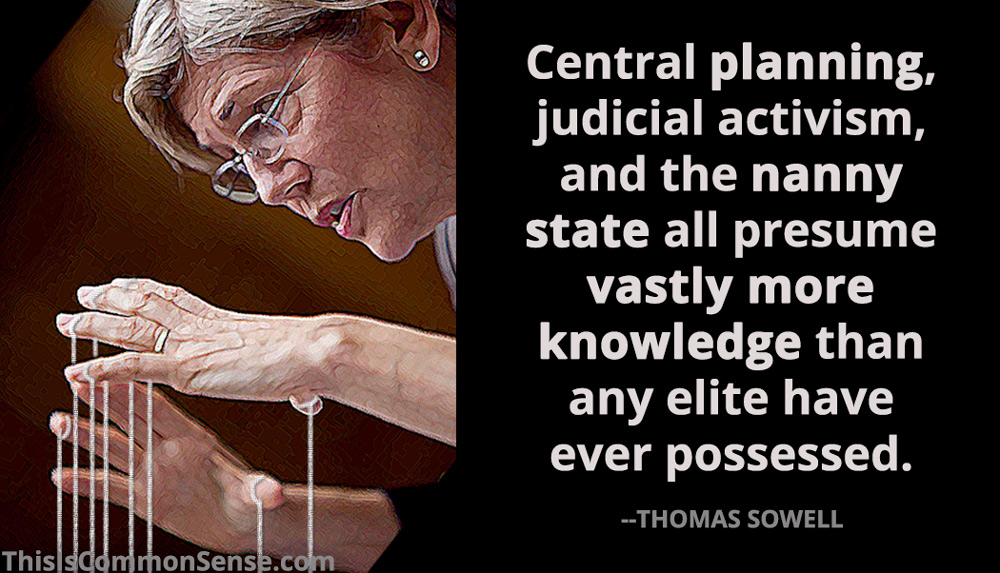
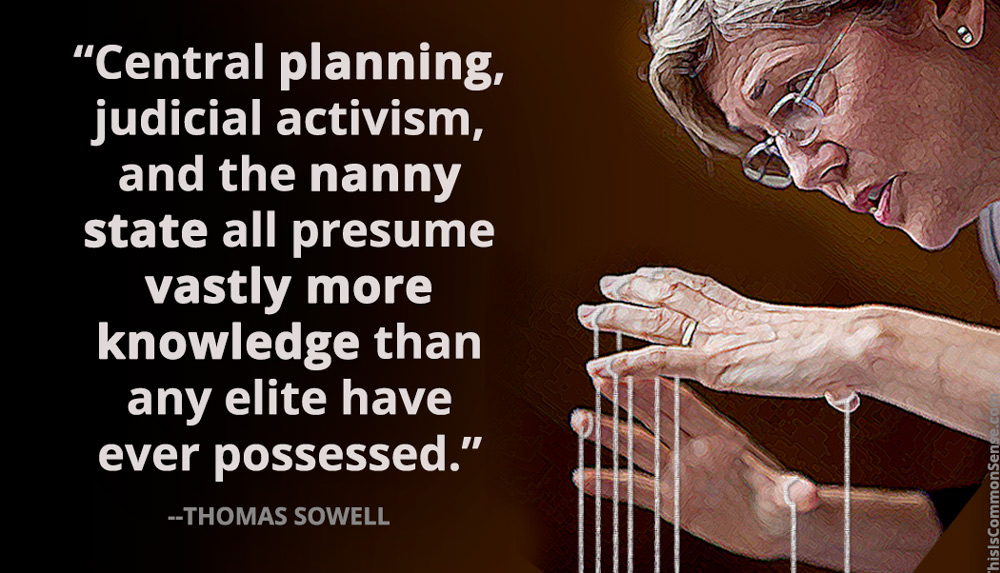
“If you start from a belief that the most knowledgeable person on earth does not have even one percent of the total knowledge on earth, that shoots down social engineering, economic central planning, judicial activism, and innumerable other ambitious notions favored by the political left. “
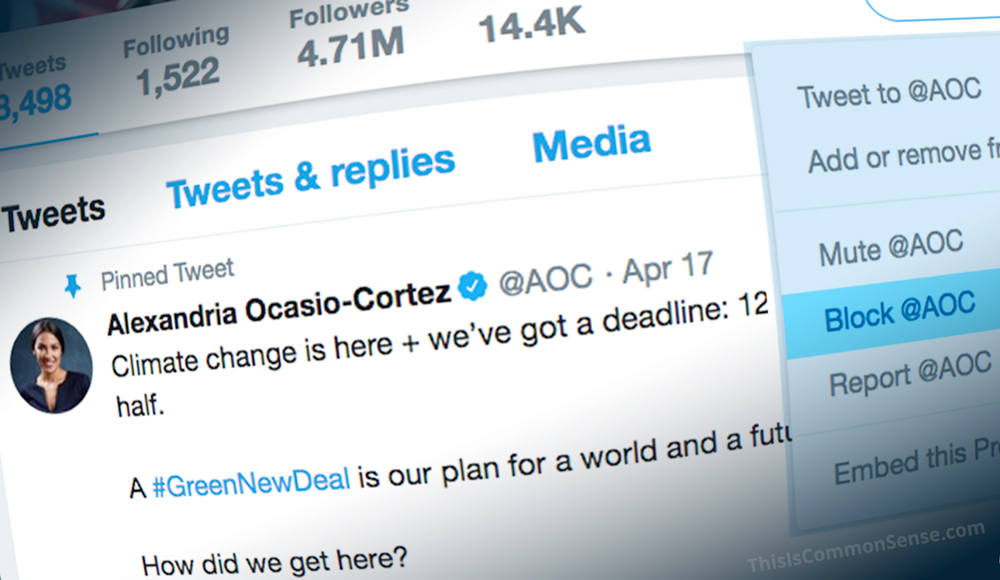
I find Twitter distasteful, annoying, even stupid. I sometimes wonder why I should care about that particular “micro-blogging” platform.
But since it is a big deal to others, I struggle to understand.*
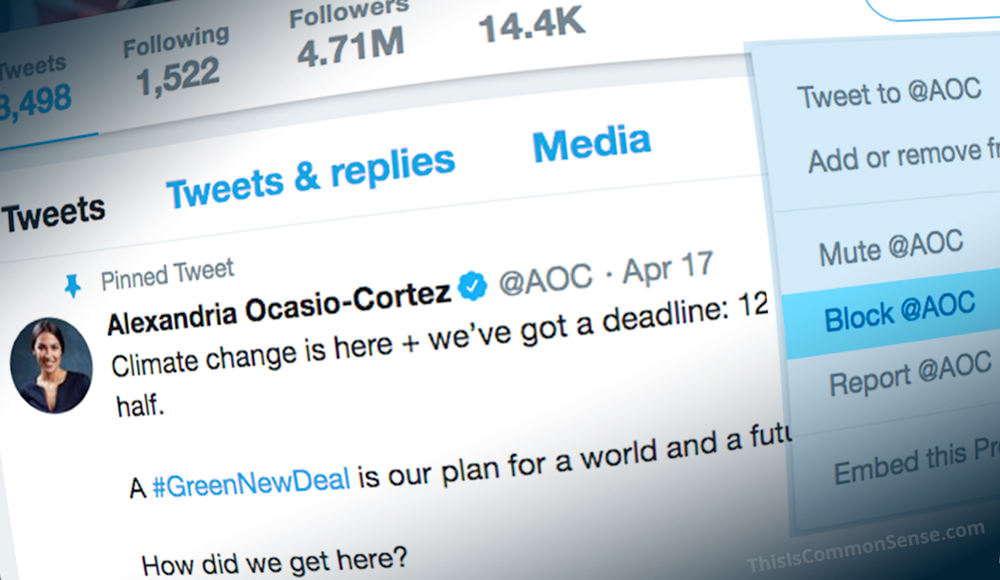
Joining me in the struggle are our two most famous political Twitterers, President Donald Trump and Representative Alexandria Ocasio-Cortez (D-N.Y.).
The president lost in court the other day, with the 2nd Circuit Court of Appeals telling him he must no longer block users on the social media platform.
Now AOC finds herself in a similar pickle. On Tuesday, a former Democratic New York Assemblyman filed a lawsuit in federal court against the popular freshman U.S. Representative for doing the same thing Trump had been doing: blocking users on Twitter based on their personal viewpoints.
The litigant surmises that AOC had blocked him “apparently because my critique of her tweets and policies have been too stinging.”
Ouch?
“Twitter is a public space,” insists this Democrat, Dov Hikind, “and all should have access to the government officials on it.”
This puts me in a pickle, too. I am all for government transparency — and I do think officials and representatives should not be completely insulated from the citizens they serve. But we don’t have a right to follow them into their bedrooms or bathrooms.
So, high-profile federal employees who in any way discuss public matters on social media should not be allowed to block Americans from seeing their posts. But take pity on the poor pols: they should be able to mute users, that is, keep others from cluttering up their social media experience.
Oddly, the lawsuit does not address this muting option.
This is Common Sense. I’m Paul Jacob.
* I even use it, occasionally.
See all recent commentary
(simplified and organized)
See recent popular posts
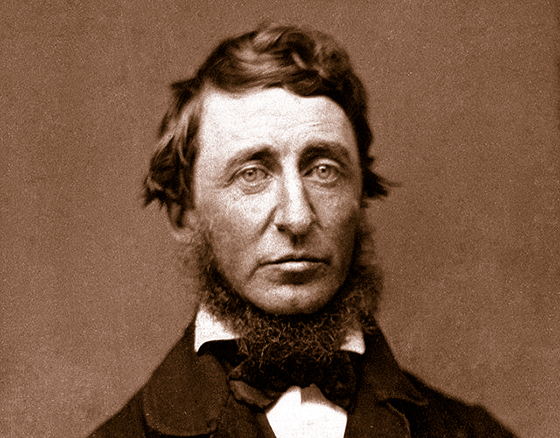
On July 12, 1817, American poet, abolitionist, businessman, and Transcendentalist philosopher Henry David Thoreau was born. He is perhaps best known, today, for his book of meditations on the simple life, Walden, and his influential essay on civil disobedience.
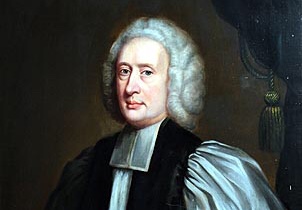
Things and actions are what they are, and the consequences of them will be what they will be: why then should we desire to be deceived?
Bishop Butler, epigraph for The Moral Economy (1909) by Ralph Barton Perry.