Charles de Secondat, Baron de Montesquieu, De l’esprit des lois (The Spirit of Laws,1748), Book XXIX: Of the Manner of Composing Laws, Ch. 16: Things to be Observed in the Composing of Laws.
Last week, Virginia’s infamous black-face governor claimed to possess “credible intelligence . . . of threats of violence surrounding” Monday’s “Lobby Day” gun rights rally in Richmond, including “extremist rhetoric similar to . . . Charlottesville in 2017.”
Major media outlets went on a rampage, repeating his linkage between gun rights supporters and “white nationalists” faster than semi-automatic fire.
“Big media and mainstream media be damned,” announced a Virginia man recorded at yesterday’s event, and tweeted by social media entrepreneur Michael Coudrey.
The unidentified but obviously black demonstrator jested, at first, that he was “out here because I got roped into it by the group of guys you see standing to my right.” But then he explained his opposition to “Governor Northam and the Democrats’ gun control” as well as “every news piece you’ve seen on this this weekend. . . .”
He objected especially to the incessant race angle — “as if it’s nothing but white rednecks and hillbillies out here who care for the Second Amendment. I work at a gun store part-time and I can’t tell you the number of customers I see of all races, all colors, all creeds who care about the Second Amendment.”
His account was corroborated by Julio Rosas, a senior writer at Townhall.com, who tweeted “pictures of people carrying rifles at the #VirginiaRally and more evidence that debunks the narrative that the rally is filled with racists and white supremacists.”
Yesterday, more than 22,000 pro-gun people of all races descended on the capitol in a completely peaceful exercise of First Amendment rights in defense of Second Amendment rights . . . making Richmond the safest city in America.
This is Common Sense. I’m Paul Jacob.
NOTE: There was only one arrest at the rally, a woman charged with violating a 1950-era law against wearing face masks (like Hong Kong’s law). Rep. Alexandria Ocasio-Cortez (D-NY) voiced her displeasure that there weren’t more arrests.
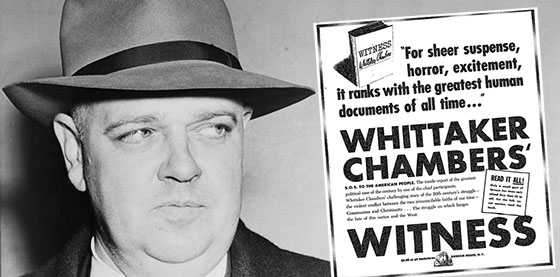
On January 21, 1950, Alger Hiss was convicted of perjury, with Whittaker Chambers being the main witness in Hiss’s prosecution. Chambers confessed to having been a Soviet spy, and accused Hiss as an accomplice, which Hiss denied to his dying day. Chambers gave a fascinating account of all this in his bestselling memoir, Witness.
The thesis of etatism that the members of the government and its assistants are more intelligent than the people, and that they know better what is good for the individual than he himself knows, is pure nonsense. The Führers and the Duces are neither God nor God’s vicars.
Ludwig von Mises explaining “statism” in Omnipotent Government: The Rise of the Total State and Total War (1944).
Eventually, champions of government intervention, of all forms of thwarting independent judgment and killing dreams, find themselves under assault. From the public.
And you don’t need an economics degree to grasp why.
Initially, an intervention prevents other people from pursuing projects, getting jobs, earning a living. Then, finally, government meddling goes a step too far. Maybe lawmakers had “good intentions,” but hey! This is me now!
Your legislation needs tweaking!
This is where we are in California’s attack on the so-called gig economy. Hatched to “protect” Uber drivers or some such nonsense, Assembly Bill 5 makes it massively harder for companies to classify freelancers as independent contractors. After it was signed into law, many companies—from blogs to transcription services—told California-based freelancers adios.
Millions of people lost work and options.
What walks of life are affected? All.
“California’s new gig worker law is . . . threatening all performing arts,” complains Brendan Rawson at CalMatters.org. California has “overreached.” Gotta nip-and-tuck that otherwise “worthy” bill! Use only the magic arbitrary intervention in our lives that works!
Not everybody now being hurt was previously okay with pushing other people around, of course. I’ve never been a fan. One of my missions is defending the right of citizen initiative. Well, AB5 makes it much harder and more expensive for petition campaigns to hire people for such gigs as collecting signatures for an initiative in California.
AB5 attacks earning a living, speaking freely, associating freely, and petitioning one’s government freely. Maybe the law will be rescinded. But there’s more mischief where that came from.
So let’s protect other people’s freedom . . . and stop the overreach before it reaches us.
Despite the heated disagreements between economists on just about every issue under the sun, there is probably one point that they are all actually unanimous on. That is the fact that every policy has winners and losers. Given that human wants are infinite but our means towards attaining those wants are limited, policies, by their nature, advantage some groups at the expense of others.
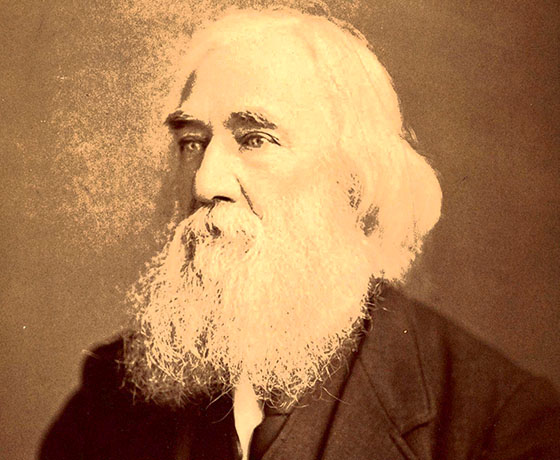
Spooner’s achievements in American life, law, and political philosophy, are among the most colorful of the 19th century. Studying law privately, he sued to practice without joining the bar, and won the suit. He set up a postal service that directly competed with the United States Postal Service, delivering mail at a fraction of the cost. He wrote The Unconstitutionality of Slavery, and convinced noted Garrisonian abolitionist Frederick Douglass of his argument. (The book became the centerpiece of intellectual ammunition for the Free Soil Party.) Later in life Spooner turned against constitutionalism itself, and penned some of the most radical political works of his day, including Vices Are Not Crimes and The Constitution of No Authority. Spooner also clearly articulated a “jury nullification” position in his classic treatise Trial by Jury.
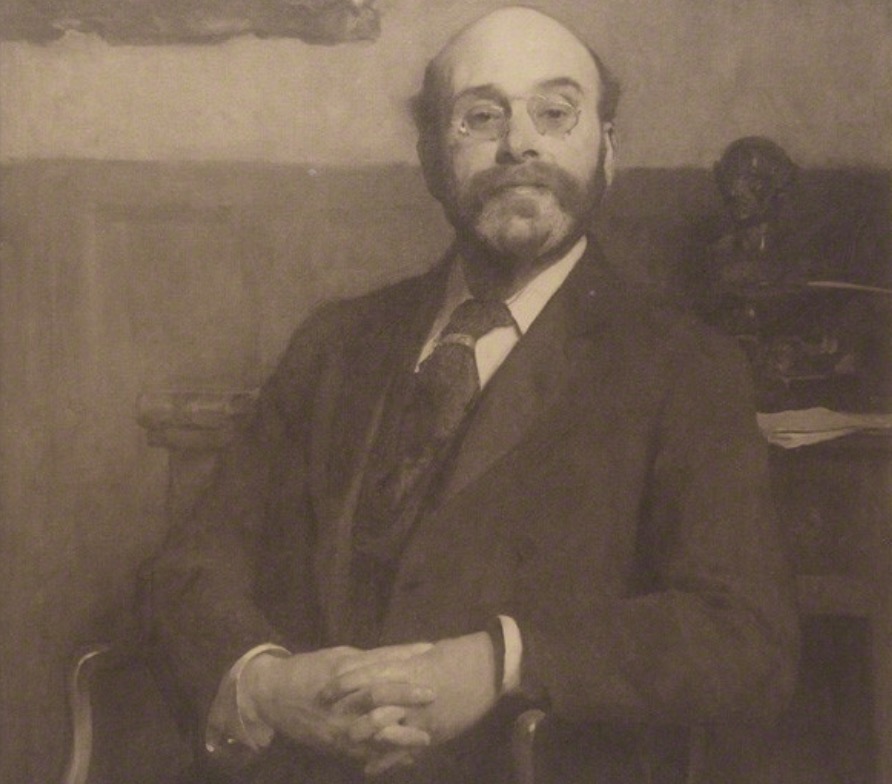
Individualism . . . means neither egotism nor isolation. It means voluntary beneficence and public spirit, as against all attempts to enforce these by penal laws. It means voluntary cooperation as contrasted with the forced cooperation of the State.