Categories
Today

A Federalist Impeached

On November 30, 1804, the United States House of Representatives began impeachment hearings against Supreme Court Justice Samuel Chase. The House thought he was too partisan, too “Federalist.”

The Senate later acquitted Chase.

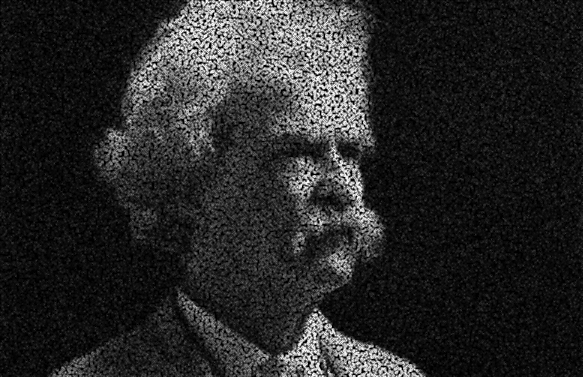
On 1835 on this date, Samuel Clemens was born, later to achieve world fame as author and humorist Mark Twain (pictured above). His most beloved books include The Adventures of Tom Sawyer (1876) and his masterpiece, Adventures of Huckleberry Finn (1885). He died in 1910.

It is perhaps worth noting that Mark Twain did write about impeachment:

I have been here a matter of ten days, but I do not know much about the place yet. There is too much weather. There is too much of it, and yet that is not the principal trouble. It is the quality rather than the quantity of it that I complain of; and more than against its quantity and its quality combined am I embittered against its character. It is tricky, it is changeable, it is to the last degree unreliable. It has catered for a political atmosphere so long that it has come at last to be thoroughly imbued with the political nature. 

As politics go, so goes the weather. It trims to suit every phase of sentiment, and is always ready. To-day it is a Democrat, to-morrow a Radical, the next day neither one thing nor the other. If a Johnson man goes over to the other side, it rains; if a Radical deserts to the Administration, it snows; if New York goes Democratic, it blows—naturally enough; if Grant expresses an opinion between two whiffs of smoke, it spits a little sleet uneasily; if all is quiet on the Potomac of politics, one sees only the soft haze of Indian summer from the Capitol windows; if the President is quiet, the sun comes out; if he touches the tender gold market, it turns up cold and freezes out the speculators; if he hints at foreign troubles, it hails; if he threatens Congress, it thunders; if treason and impeachment are broached, lo, there is an earthquake!

If you are posted on politics, you are posted on the weather.

Mark Twain, The Territorial Enterprise, December 4, 1867.
Categories
media and media people

Black & White & NPR

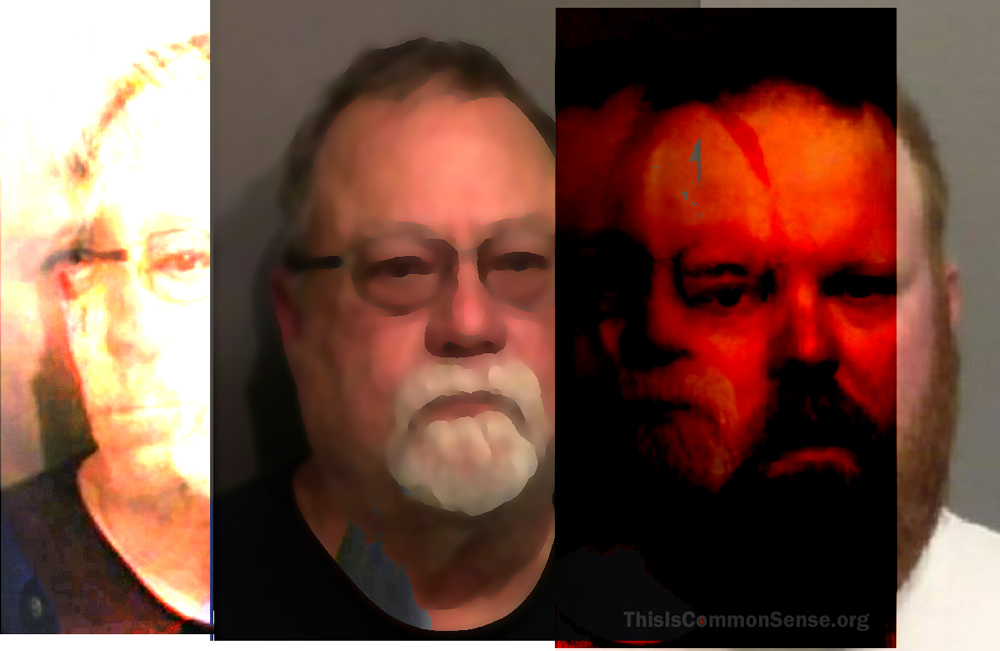
The NPR headline mentioned race: “3 white men are found guilty of murder in the killing of Ahmaud Arbery.”

Before the verdict, I had mentioned the case on my This Week in Common Sense podcast, expecting and supportive of that ultimate outcome. So I left it at that.

But Sean Malone, the brilliant videographer, had something to say about that headline: “Dear NPR: You don’t need to put race in every headline. Please stop. Alternatively, if you’re hell-bent on doing this, then do it consistently.”

Legacy news media outfits seem committed to a racial double standard, which Mr. Malone calls our attention to: “I notice that you didn’t put ‘black suspect’ in this article,” linking to “The Waukesha death toll rises to 6, and the suspect faces homicide charges.” The suspect in this horrific crime is African-American, but NPR doesn’t give that fact banner billing in this or a separate headline on the same horrific incident.

Yet, on November 4, the title was “A nearly all-white jury will hear evidence in the Ahmaud Arbery case.”

Selective race identification is journalistic practice. 

The pattern used to be that newspapers went out of their way to identify black criminals and white victims, but not vice-versa. Now it seems to be the reverse.

Are NPR and other outfits deliberately fanning the flames of racism, with a constant stream of implied and sometimes explicit ‘Hate Whitey’ themes? 

Relentlessly focusing on race as the ultimate driver of our society is not likely to reduce racism but to encourage it. 

To the detriment of individuals of all races.

This is Common Sense. I’m Paul Jacob.


PDF for printing

See all recent commentary
(simplified and organized)
See recent popular posts

Categories
Thought

Joseph Campbell

The very cave you are afraid to enter turns out to be the source of what you are looking for.

Joseph Campbell, quoted in Matt Ridley and Alina Chan, Viral: The Search for the Origins of COVID-19 (2021) as the epigraph to the first chapter.

Categories
Today

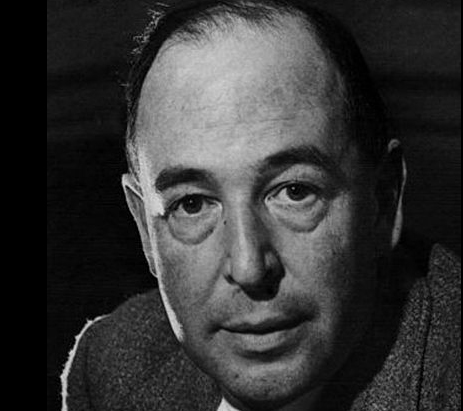
C. S. Lewis

Irish-English medievalist, theologian, and novelist Clive Staples Lewis was born on November 29, 1898. Among his best known works are Out of the Silent Planet, The Problem of Pain, Miracles, and the “Narnia” fantasies for children. His novelistic retelling of the Psyche myth, Till We Have Faces, and political essays such as “The Humanitarian Theory of Punishment” and The Abolition of Man, will almost certainly stand the test of time.

Categories
by Paul Jacob video

Watch: Totalitarianism, Stoicism, Chinazism

Paul Jacob expresses gratitude for all the blessings of our time, notwithstanding China imperialism, social media censorship, and our culture of violence.

View on Rumble!
Categories
Thought

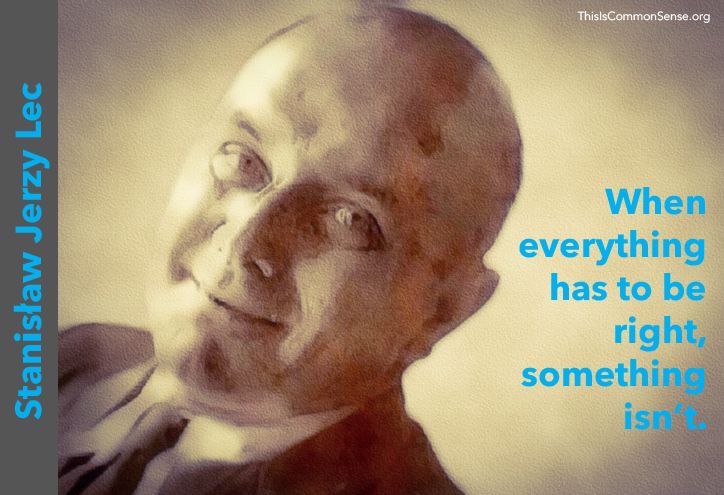
Stanisław Jerzy Lec

When everything has to be right, something isn’t.

Stanisław Jerzy Lec, Unkempt Thoughts (Myśli nieuczesane, 1957; Jacek Galazka, translator, 1962).
Categories
Today

Henry Hazlitt

In 1894, on November 28, economics journalist Henry Hazlitt was born. Halitt went on to write numerous books, including Economics in One Lesson, Time Will Run Back, and several works criticizing Keynesianism. He was the main proponent of the work of Ludwig von Mises and F.A. Hayek in America during the 1940s and 1950s.


Exactly one year earlier, women voted in a national election for the first time . . . in New Zealand. On the same date in 1917, the Estonian Provincial Assembly declared itself the sovereign power of Estonia. November 28 also marks the independence of Mauritania from France (1960), and East Timor from Portugal.

Categories
audio podcast

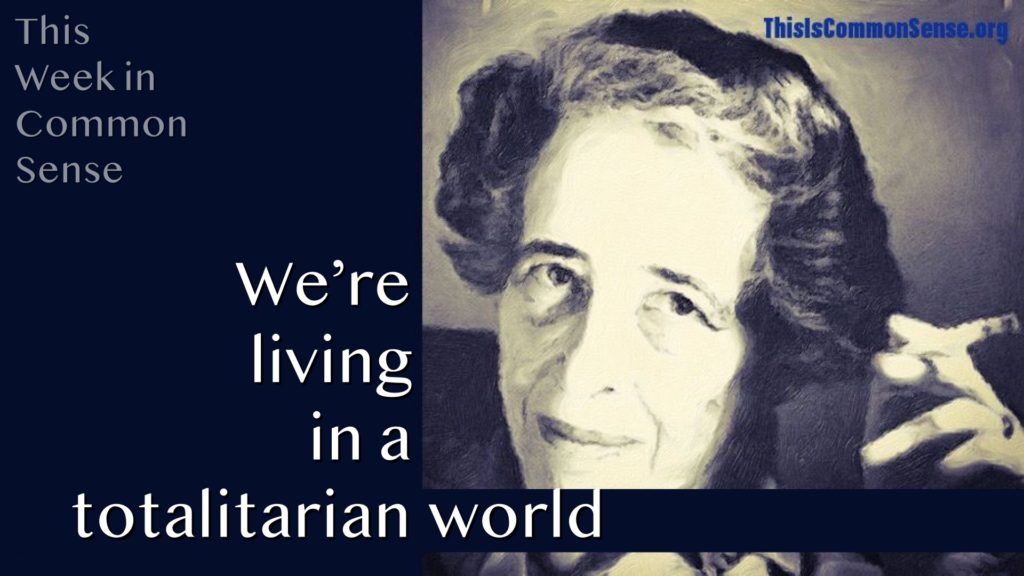
Listen: We’re Living in a Totalitarian World

The title notwithstanding, Paul Jacob is still thankful. All that and the big stories of the week on This Week in Common Sense for Thanksgiving week, 2021:

Categories
Thought

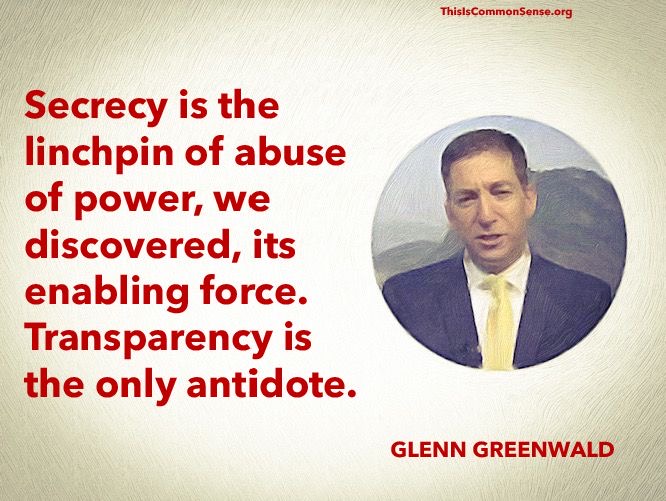
Glenn Greenwald

Secrecy is the linchpin of abuse of power, we discovered, its enabling force. Transparency is the only antidote.

Glenn Greenwald, No Place to Hide (2014).
Categories
Today

Nobel Prizes

November 27, 1295, the first elected representatives from Lancashire were called to Westminster by King Edward I to attend what later became known as “The Model Parliament.”

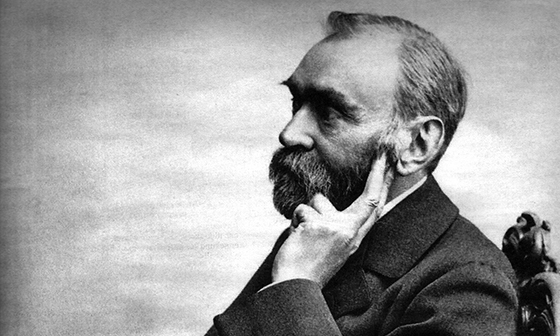
On the same date in 1895, Alfred Nobel (pictured) signed his last will and testament, thereby establishing the Nobel Prizes.