Dangerous times indeed, when we drop a mushroom cloud photo on you. Paul Jacob drops truth bombs in this episode of This Week in Common Sense:
Categories
Watch …them destroy….
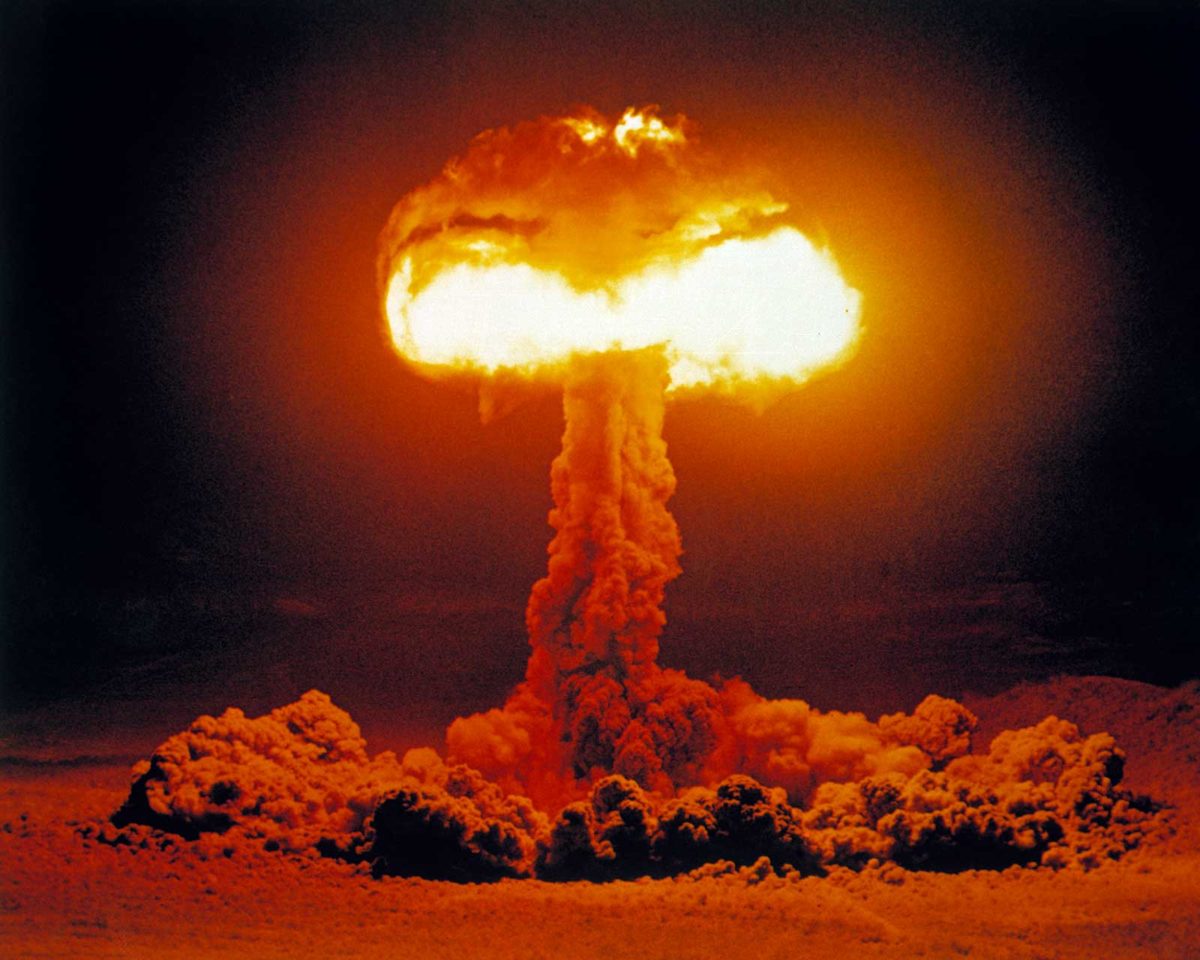
Dangerous times indeed, when we drop a mushroom cloud photo on you. Paul Jacob drops truth bombs in this episode of This Week in Common Sense:

He said that wise men gained more advantage from fools, than fools from wise men; for the wise men avoid the errors of fools, but fools cannot imitate the example of wise men.
Plutarch on Marcus Cato, Parallel Lives.
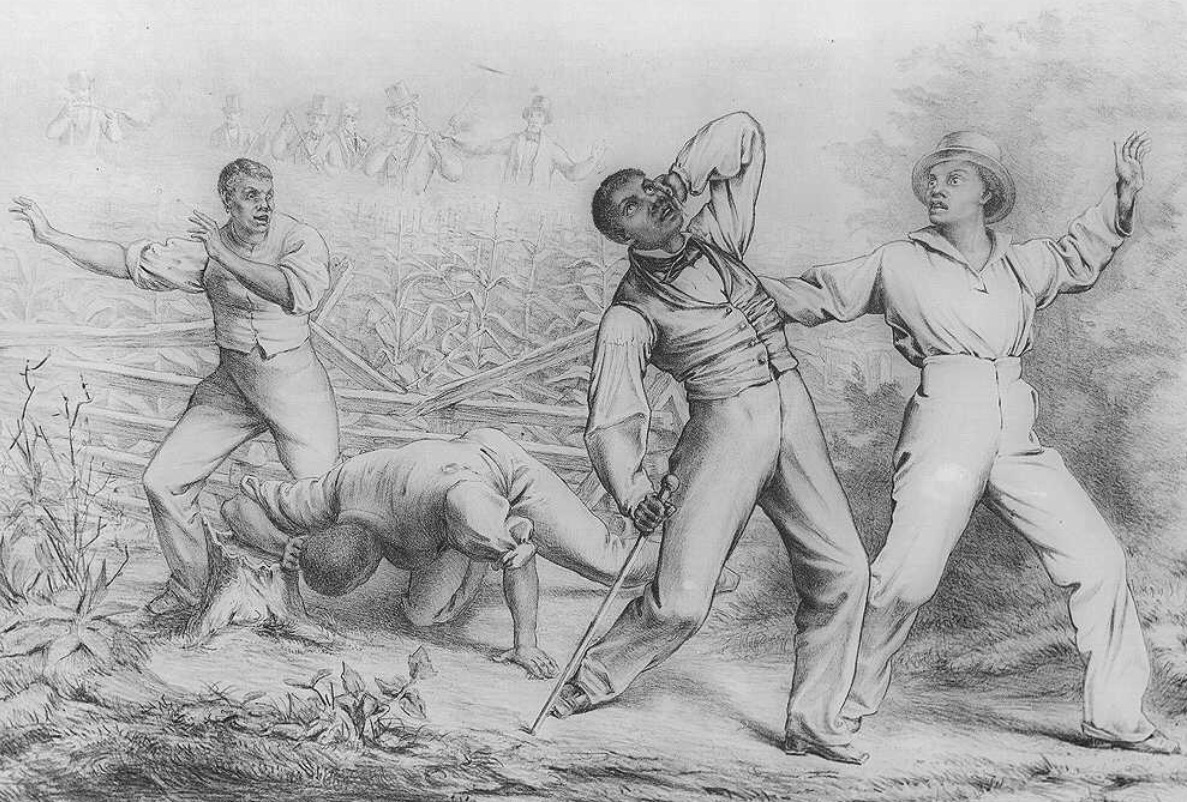
On March 13, 1862, the U.S. federal government forbade all Union army officers from returning fugitive slaves, thus effectively annulling the Fugitive Slave Act of 1850 and setting the stage for the Emancipation Proclamation.
It is not as if they are saying that. But . . . Paul Jacob explains how to avoid World War III:
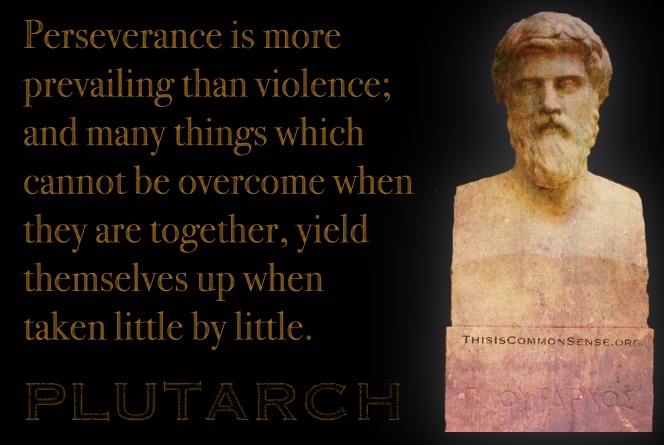
Perseverance is more prevailing than violence; and many things which cannot be overcome when they are together, yield themselves up when taken little by little.
Plutarch, Parallel Lives: Sertorius, sec. 16.
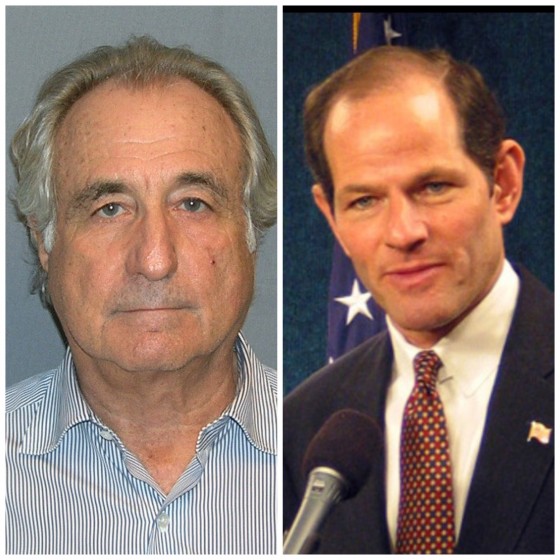
On March 12, 2009, financier Bernard Madoff pled guilty to pulling off perhaps the biggest swindle in U. S. history. One year earlier to the day, in the same city, New York, the state’s governor, Eliot Spitzer, resigned a mere two days after reports had surfaced that he was listed as a client in a high-end escort/call-girl prostitution ring.
The cause of freedom is advanced with every criminal nabbed and every hypocritical illiberal politician disgraced.
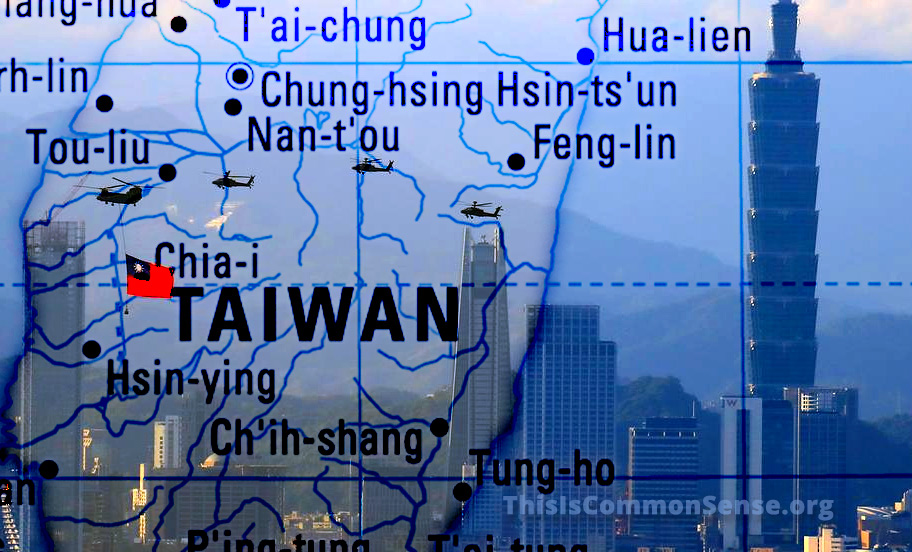
It was not that. Thank goodness.
But what if it had been? Many have speculated that the Russian invasion of Ukraine might distract the U.S. and thereby encourage Xi Jinping and his People’s Liberation Army to launch an assault against Taiwan.
How should the U.S. react to a Chinese invasion? Even with our silly policy of “strategic ambiguity,” most in Asia expect the U.S. to defend the island nation. The Washington Post and others argue the U.S. has committed to fight with Taiwan.*
That’s not the case with Ukraine.
Like Ukraine, Taiwan will defend itself, but is over-matched. Geographically important as part of the first island chain, Taiwan is, as former Secretary of State Mike Pompeo points out, “right in the middle of our defensive parameters, from Japan to Korea to the Philippines in the South China Sea.”
And the island is economically nearly essential. “Ninety percent of the most advanced [computer] chips are made in Taiwan,” reports The New York Times.
The United States should not be the world’s policeman, which dilutes our strength, needed not only for our own defense and the defense of navigable trade routes but also the defense of hundreds of millions of currently free people with whom we are allied — especially in Asia.
Most urgently in Taiwan.
As a country, it’s time to start doing some homework, and push-ups. Economically. Militarily. Being weak doesn’t help anyone. Being strong is our best chance to avoid World War III.
This is Common Sense. I’m Paul Jacob.
* The USA has pledged military assistance to 67 countries in all, including the Republic of China (Taiwan), but not Ukraine. It’s a list the American people have every right to re-configure. But until then, one Pentagon planners should get busy with.
See all recent commentary
(simplified and organized)
See recent popular posts

Feminists will not be satisfied until every abortion is performed by a gay black doctor under an endangered tree on a reservation for handicapped Indians.
On March 11, 1702, The Daily Courant, England’s first national daily newspaper, was published for the first time. It was a one-sheet, concentrated on foreign news, sans commentary. The reverse side sported advertising. It was produced by Elizabeth Mallet (1672–1706), a printer and bookseller who lived, and published the paper, next to the Kings Arms tavern at Fleet Bridge in London.
The corporate press’s “official” “fact” “checkers” mocked the idea, of course.
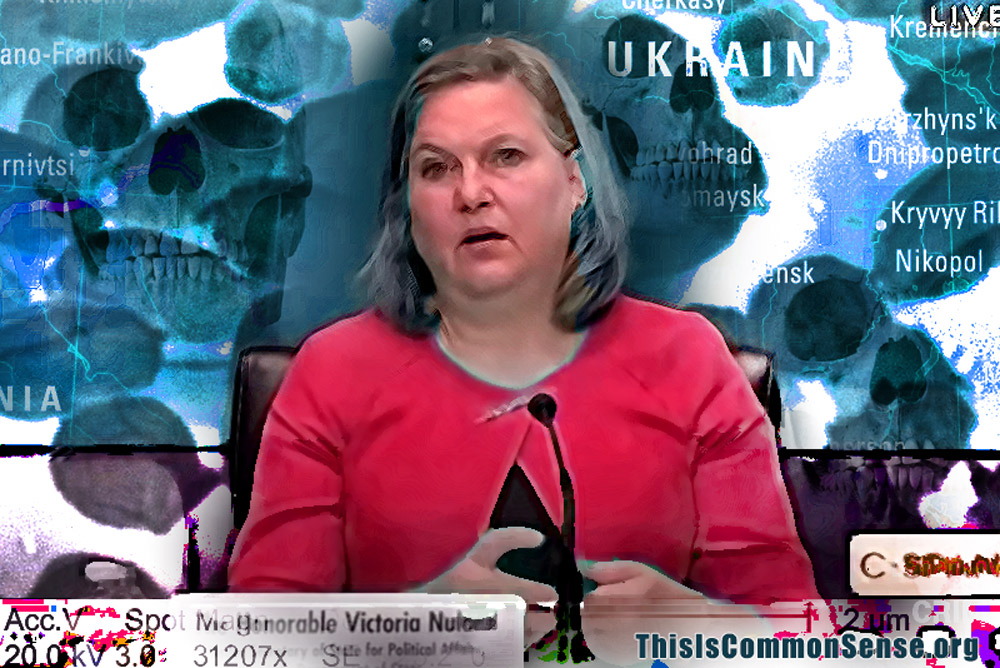
But then something . . . inconvenient . . . happened. Senator Marco Rubio asked Under-Secretary of State Victoria Nuland point blank: “Does Ukraine have chemical and biological weapons?”
Her response was not, as Glenn Greenwald notes, what he was expecting. “Ukraine has biological research facilities,” she answered,* “which, we are now in fact quite concerned that Russian troops, Russian forces, may be seeking to gain control of, so we are working with the Ukrainians on how they can prevent any of those research materials from falling into the hands of Russian forces should they approach.”
It turns out that the United States has long been working with Ukraine “to consolidate and secure pathogens and toxins of security concern and to continue to ensure Ukraine can detect and report outbreaks caused by dangerous pathogens before they pose security or stability threats.” And the relationship between defensive biological research and offensive is quite close, Greenwald suggests: “research that is classified as ‘defensive’ can easily be converted, deliberately or otherwise, into extremely destructive biological weapons.”
If this is at all puzzling, note those fact-checkers, again. These “defensive” warriors in the memetic arena are supposed to serve as antibodies to “misinformation” in the realm of spreadable ideas. By reflexively debunking any new attack on accepted government-approved opinion, they serve as spreaders of their own misinformation.
As in the war of ideas, so in the war of biological contagions.
The next question is: Does it make sense to place our labs on the border of our enemy?
But then, I thought it was a bad idea to subsidize biological research laboratories in Wuhan, China.
Our leaders think they know better.
This is Common Sense. I’m Paul Jacob.
* Greenwald leaves in Nuland’s uh-stutters and the like. I’ve cut them.
See all recent commentary
(simplified and organized)
See recent popular posts