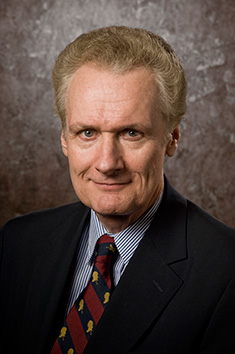
We often have much to learn from our intellectual opponents. But some opponents we must deal with only because they are there . . . in some inescapable way.
Paul Krugman, for instance, is a Nobel Laureate economist. We deal with him not because his technical work is more relevant than the work of a hundred other economists, or because he wrote a really fine essay on the law of comparative advantage. Or because some Swedes thought enough of him to give him a big award and cut him a huge check.
We deal with him because he has a column and a blog at the New York Times.
And for the Times he’ll commit almost any sort of fallacy or public foolishness. Thanks to the New York Post, you can read a grand demolition of Krugman’s modus argumenti. “Krugman is a most unusual economist,” Kyle Smith writes:
Others may measure their words, issue caveats, acknowledge that the research isn’t conclusive, admit that their biases influence their reading of facts. Not Krugman. . . . He changes the subject, ignores inconvenient evidence and plays playground bully to people he sees as ideological enemies (a list longer than Nixon’s). He blasts away at others’ work without even providing the basic courtesy of a link to what he’s talking about. . . .
And Smith goes on, in part to review Krugman’s new book, End This Depression Now! (turnabout being fair play, no link from me). Not surprisingly, Krugman’s advice is a Democratic politician’s delight: spend more. Lots more.
Smith’s destruction is funny, and devastating. My complaint with Krugman has long been his relentless partisanship. But Smith reminds me that we have something to learn from Krugman, too: How not to promote a cause we regard as good.
This is Common Sense. I’m Paul Jacob.
 In the capitalist system of society’s economic organization the entrepreneurs determine the course of production. In the performance of this function they are unconditionally and totally subject to the sovereignty of the buying public, the consumers. If they fail to produce in the cheapest and best possible way those commodities which the consumers are asking for most urgently, they suffer losses and are finally eliminated from their entrepreneurial position. Other men who know better how to serve the consumers replace them.
 On June 1, 2009, General Motors files for bankruptcy. The natural course of this fourth largest official business failure was forestalled by the auto maker bailout, which progressives would later ballyhoo as a complete success in that investors and businesses would jump on the rescued company – which is what would have happened in an unbailed-out bankruptcy, anyway.
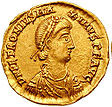 On May 31, 455, the Roman Emperor Flavius Petronius Maximus dies, soon followed by the Vandal sack of Rome. In a system without terms or term limits for rulers, his 78 days at the top of the Western Roman Empire ended as so many did, in violence – in this case by being stoned by an angry mob while fleeing the capital. His body was flung into the Tiber.
 Those animals which are incapable of making binding agreements with one another not to inflict nor suffer harm are without either justice or injustice; and likewise for those peoples who either could not or would not form binding agreements not to inflict nor suffer harm.

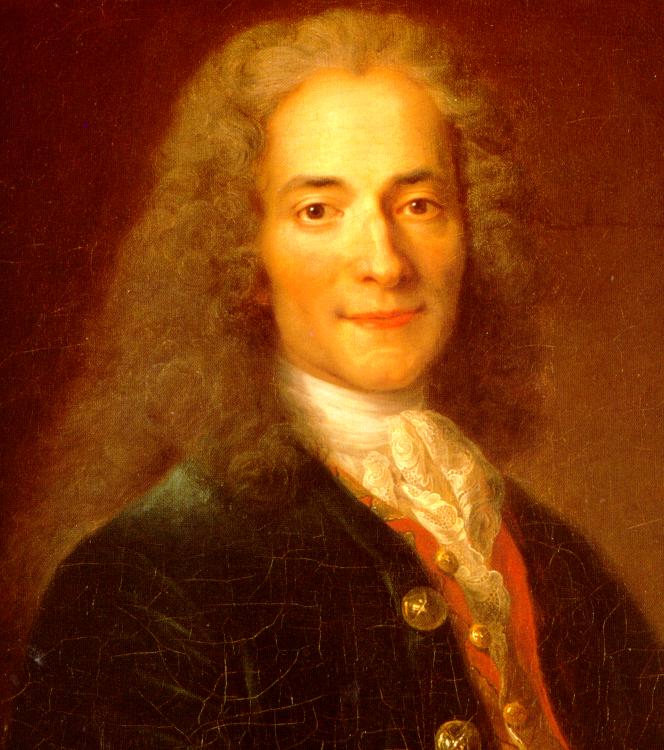 It is forbidden to kill; therefore all murderers are punished unless they kill in large numbers and to the sound of trumpets.