Former friends of Obamacare keep discovering that the law treats them as enemies.
Three years after Obama signed the Affordable Care Act, Kinsey Robinson, president of United Union of Roofers, Waterproofers and Allied Workers International, says that many provisions “were not fully conceived, resulting in unintended consequences . . . inconsistent with the promise that those who were satisfied with their employer-sponsored coverage could keep it.”
Robinson worries that members who now enjoy multi-employer health plans through the union will lose both benefits and employment as Obamacare goes into effect. Small contractors not required to offer insurance coverage under the law will enjoy an unfair bidding advantage. So he now calls for “repeal or complete reform” of Obamacare. (Let’s do the repeal, then restart with the right reforms.)
I’m no fan of unions, which have too often acted to quash competition in the labor market. But as long as unions exist, if they’re going to oppose something, let Obamacare top the list until it is gone.
No doubt many more expressions of shock and dismay await us as people discover the consequences of the law. In 2010, then-Speaker Nancy Pelosi declared that the health care bill had to be passed so we could learn what was in it; after which, free of the fog of partisan debate, we’d all come to understand at last that lumbering Big Brother is indeed our very best friend.
We’re finding out alright, we’re discovering that with friends like BB, and Pelosi, who needs fiends?
This is Common Sense. I’m Paul Jacob.

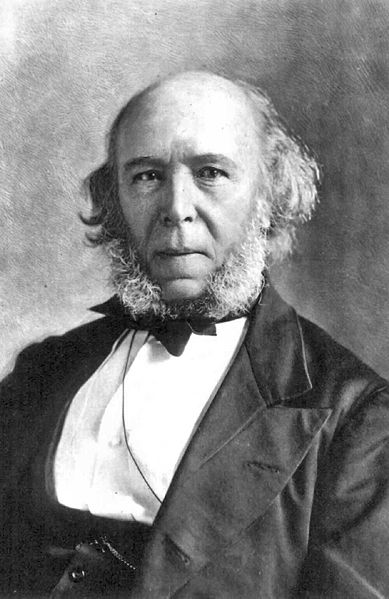 Every man may claim the fullest liberty to exercise his faculties compatible with the possession of like liberties by every other man.