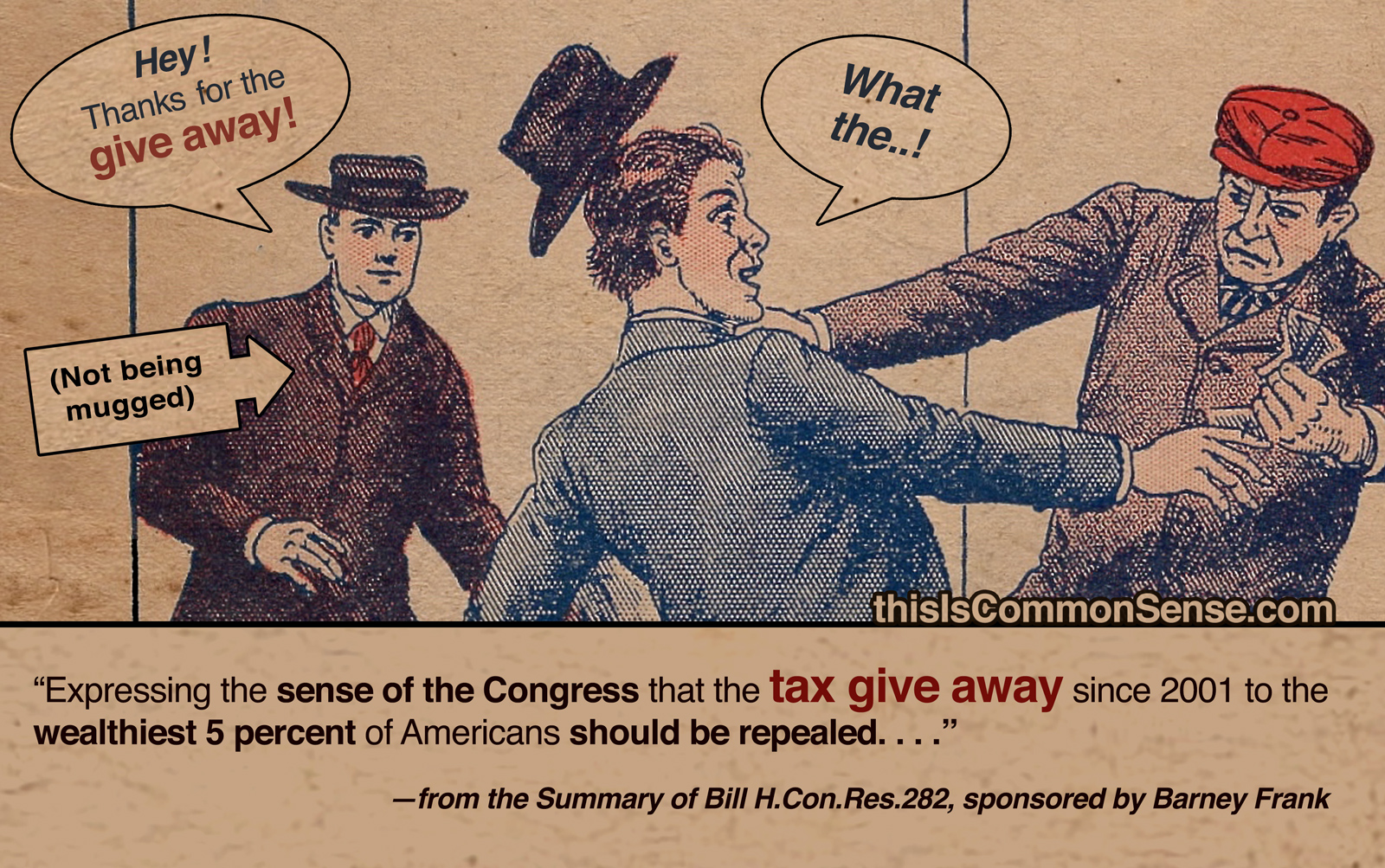
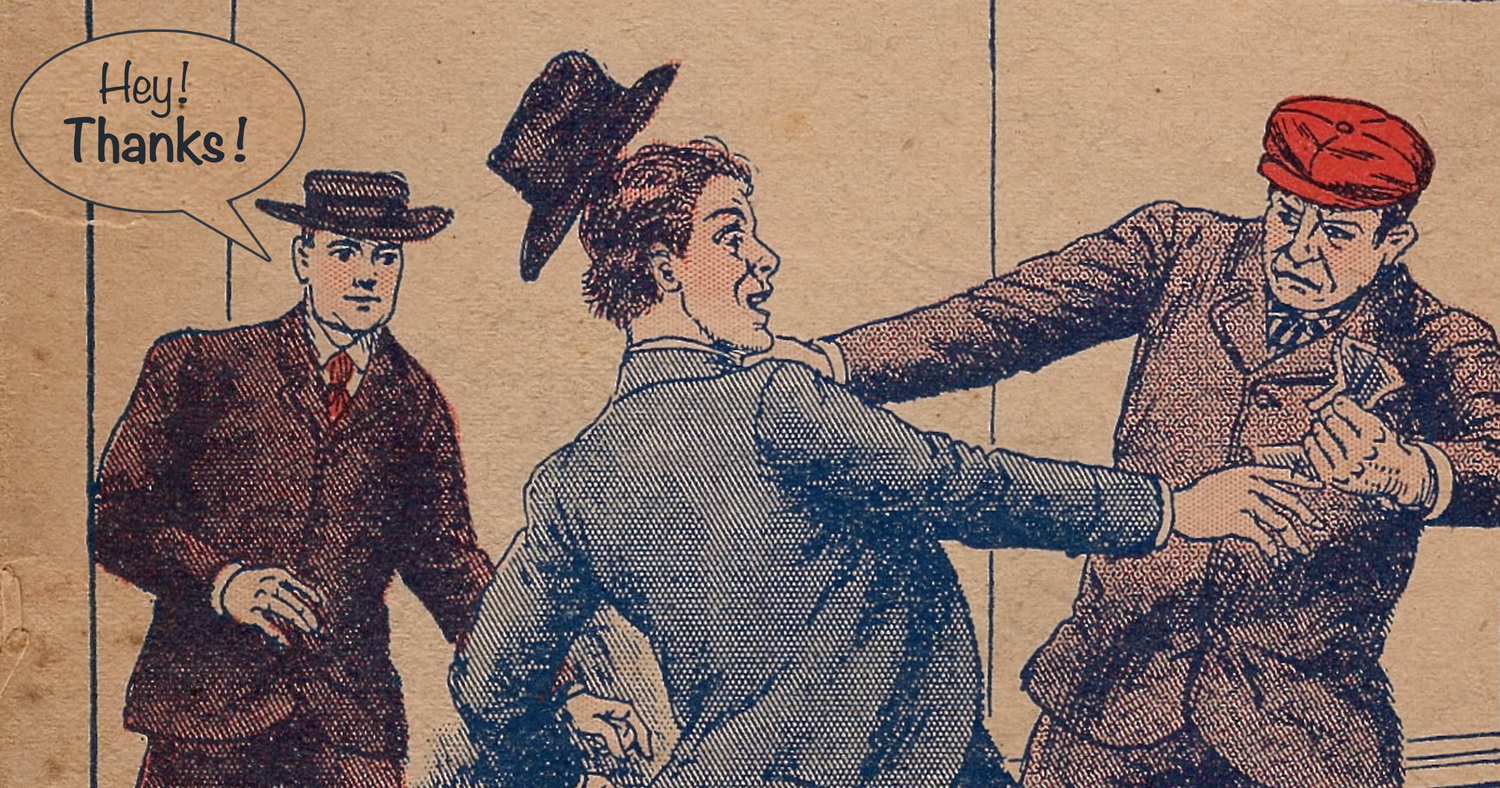
Has the mugger given you a present of your stuff by not taking it? Sneaky tax logic…
Shared ideas matter. Please pass this along to friends.
Get a high-resolution screensaver by clicking on the image below:
Shared ideas matter. Please pass this along to friends.
Get a high-resolution screensaver by clicking on the image below:

I know and like Rand, both personally and politically. I love that message.
Yet, today, I come not to praise Dr. Paul but to use him as an example about political reality, nuts and bolts.
Like Jeb Bush and Hillary Clinton, Dr. Paul inherited a tremendous leg up in politics. All three have access to extensive networks of supporters and funding. But, “they didn’t build” those networks, not in toto. They are standing on the efforts of family members — a husband in Hillary’s case; parents for Paul and Bush, plus a Bush brother president.
The Kentucky senator’s father, Dr. Ron Paul, served 23 years representing a Houston, Texas, U.S. House district and ran for president three times.
I’m not whining. And I’m certainly not proposing a new area for the Federal Election Commission (FEC) to police. I’m glad, frankly, for Rand’s parental good fortune. (Mother, too.)
I am simply identifying the built-in advantages that come with holding political power . . . and the potential danger it unleashes: an entrenched, unaccountable, unrepresentative government.
Like we have.
The solution to powerful political dynasties? More competition. More participation. More activity and organizing, more money raised and spent and more messages expressed. Fewer limits and regulations blocking fundraising.
Easier entry into the political marketplace of ideas.
Is that what the IRS and the FEC have been working toward? Facilitating our opportunity to “Defeat the Washington Machine”?
Be that the case, or no, I’m happy to note that Rand Paul, in his kick-off, endorsed term limits.
This is Common Sense. I’m Paul Jacob.


On April 8, 1913, the 17th amendment to the Constitution, providing for the popular election of U.S. senators, was ratified.
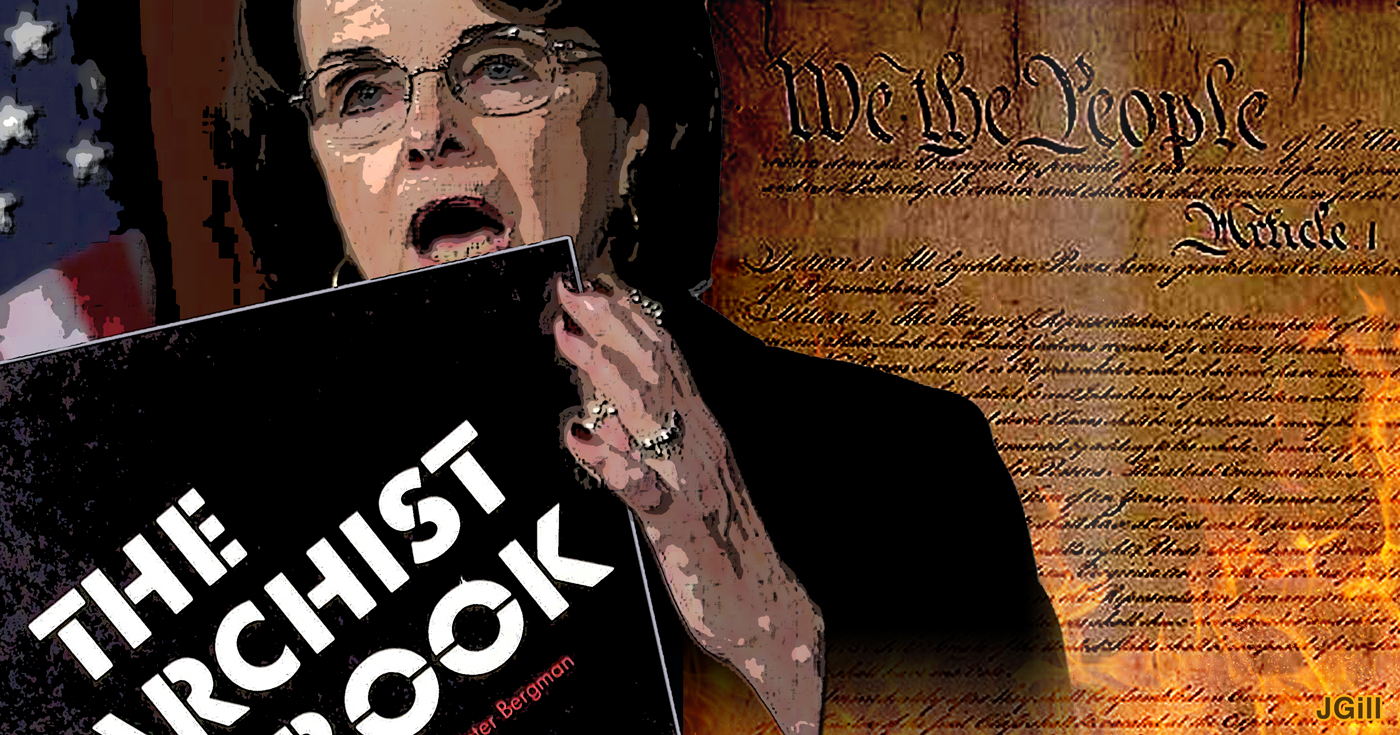
Diane Feinstein thinks so.
Sen. Feinstein (D-California) wants to ban The Anarchist Cookbook from the Internet. The book, which came out in 1971 with lots of radical ideas, including notoriously unreliable instructions for making bombs, is now a website. Perhaps the quality of the “cookbook” has helped us survive against the anarchist threat these last five decades.
Today, the threat is not anarchist but Islamist terrorism. So of course Sen. Feinstein also wants the Al Qaida magazine Inspire “off the Internet.”
Government censorship, anyone? Free speech, Senator?
Now, I don’t approve of the bombing and murdering of innocents for any cause. So I am not at one with deadly anarchists or deadly jihadists. Count me as among their enemies.
But, at the risk of being called a “liberal,” I don’t think we should defend ourselves against anarchists or jihadists or other terrorists just any old way. For both moral and strategic reasons, we ought not be killing innocents by drone strike, along with those simply declared guilty, without any lawful process at all.
Likewise, we ought not abridge our own cherished principles and the rule of law.
Including the First Amendment.
After all, that’s what government is supposed to be protecting in the first place.
The fact that Feinstein seems so comfortable with simply “banning” books and magazines and websites suggests an illiberal, unAmerican attitude. An attitude that threatens to do more damage to the homeland than any “cookbook” or pro-terrorist magazine or website ever will.
This is Common Sense. I’m Paul Jacob.
Shared ideas matter. Please pass this along to friends.
Get a high-resolution screensaver by clicking on the image below:
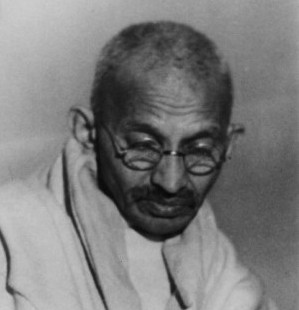
“That State is the best governed which is governed the least.”
Mohandas K. Gandhi, August 15, 1940

On April 7, 1933, Prohibition in the United States was repealed for beer of no more than 3.2 percent alcohol by weight, eight months before the ratification of the XXI amendment.
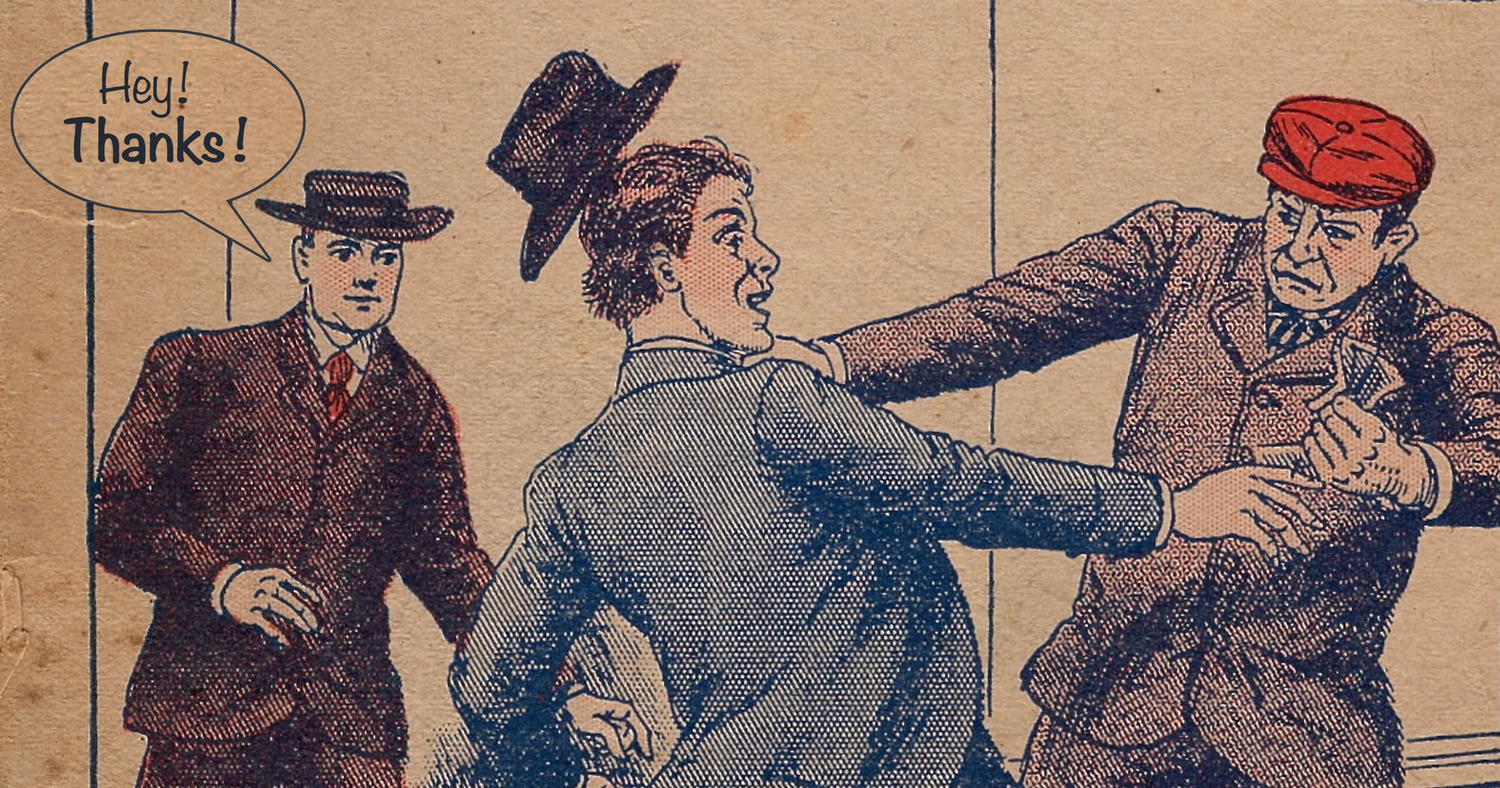
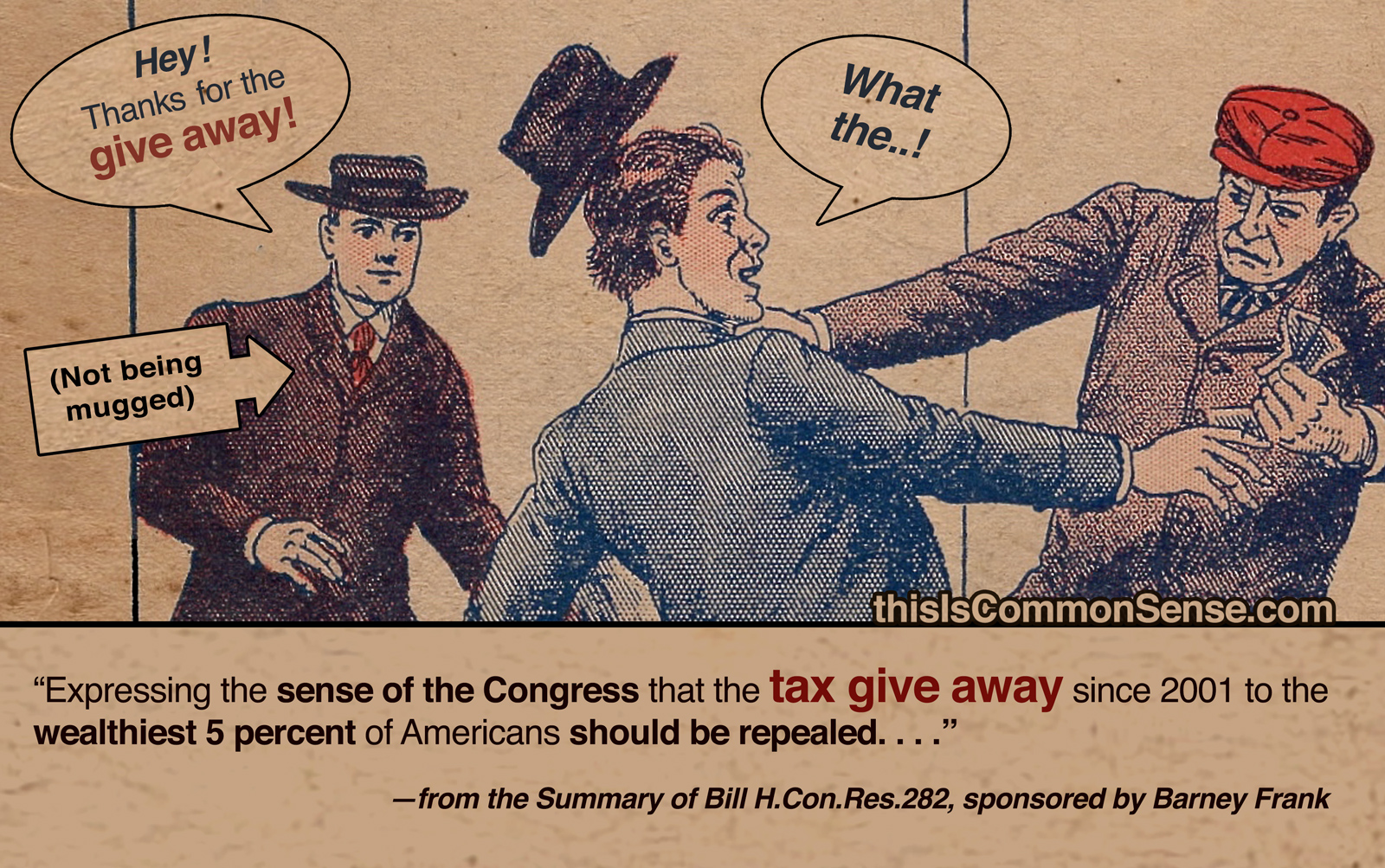
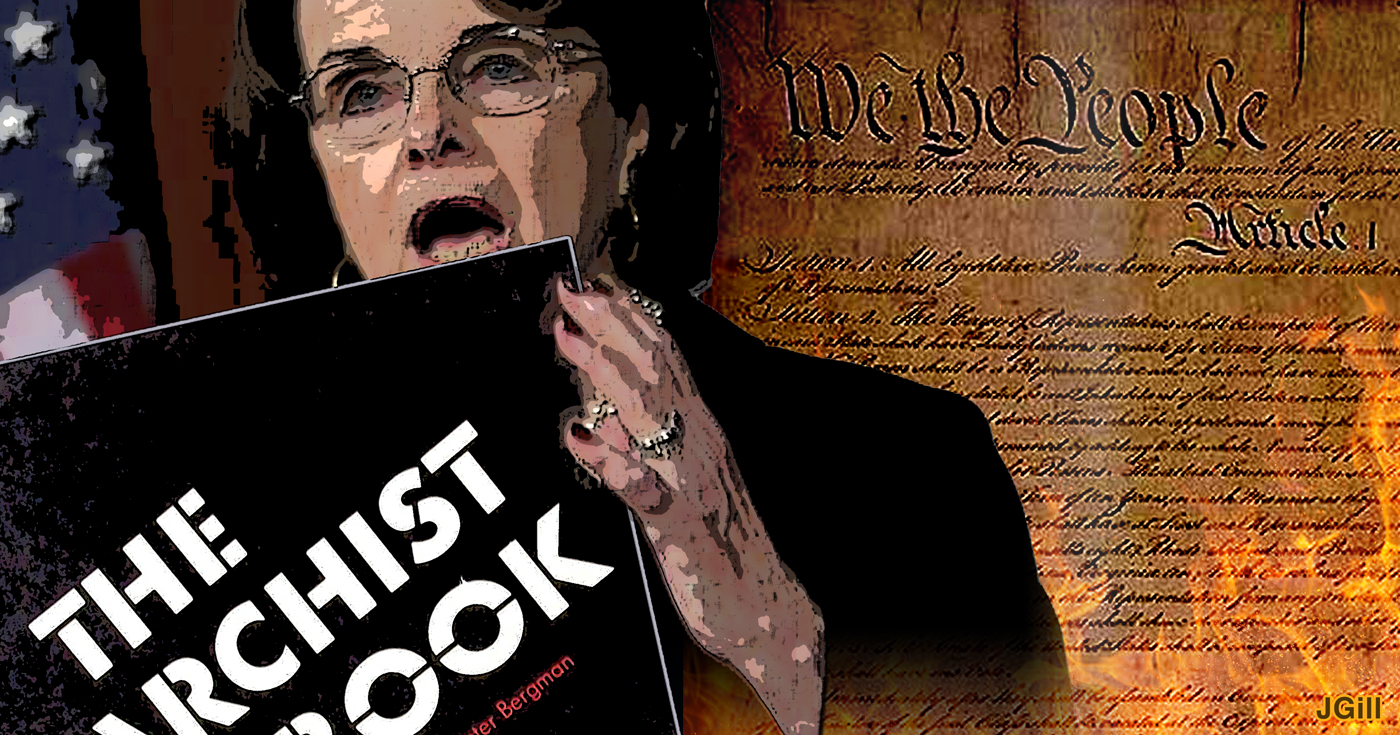
No. If you possess something you have honestly earned, it is yours by right, not as a special gift from each person who abstains from relieving you of it.
Why is this not just as true when the prospective stuff-taker is a government?
Whatever case may be made for taxing you to fund a governmental goal, the state is not “giving” you whatever part of your wealth it lets you keep.
Yet this is the claim that partisans of big government repeatedly make. They apparently aim to undermine any hint of willingness to let us keep more of what belongs to us.
We see it again in the context of President Obama’s recent attacks on the plan of some Republicans to do away with estate taxes, the notorious “death taxes.” This tax relief would allegedly be a “giveaway” to those who have worked most successfully to earn something worth leaving to people they care about. It would also allegedly “deprive” non-recipients of some government handout no longer fundable because of the tax cut.
Being taxed less is always about keeping more of your own money and being able to spend it as you wish, including on heirs.
That’s a feature of tax cuts — not a bug.
This is Common Sense. I’m Paul Jacob.

On April 6, 1930, Mohandes Gandhi raised a lump of mud and salt, declaring, “With this, I am shaking the foundations of the British Empire.” Thus began the Salt Satyagraha.
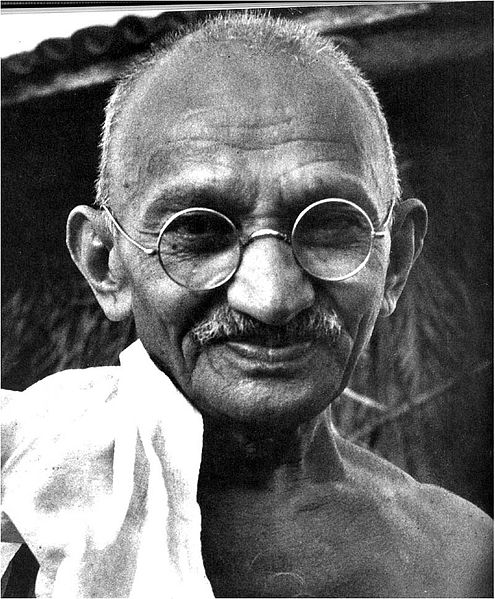
“In the democracy which I have envisaged, a democracy established by non-violence, there will be equal freedom for all. Everybody will be his own master. It is to join a struggle for such democracy that I invite you today.”
Mohandas K. Gandhi, August 8, 1942