Categories
Today

Locke and Shays

August 29 marks the 1632 birthday of British philosopher John Locke, author of Two Treatises of Government, and one of the strongest intellectual influences on America’s 18th century secessionist movement and subsequent constitutional thinking. Locke died on October 28, 1704.

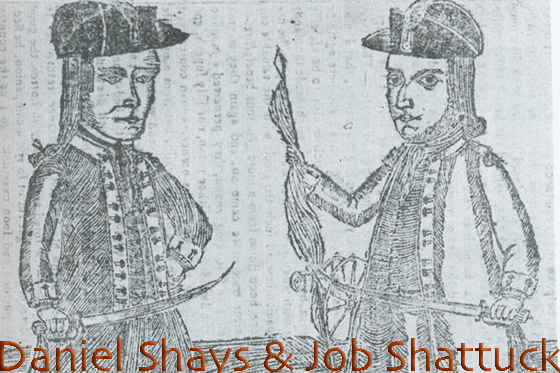
On August 29, 1786, Shays’ Rebellion began. The rebellion was an armed uprising of Massachusetts farmers reacting very negatively against the high debt and tax burdens enacted to pay off the Revolutionary War. This rebellion scared American leaders into revising the Articles of Confederation, a process that led not to a mere few changes, but to the writing of a whole new Constitution.

Categories
Thought

Samuel Johnson

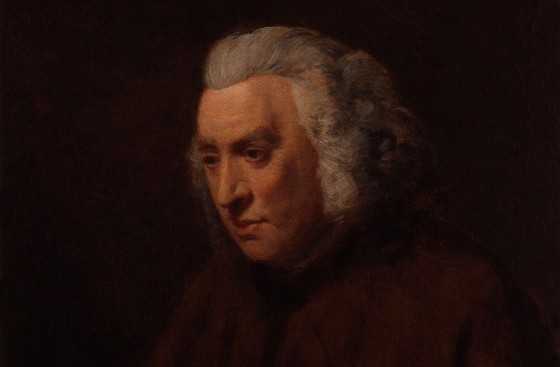
Nothing . . . will ever be attempted, if all possible objections must be first overcome.


Samuel Johnson, The History of Rasselas, Prince of Abissinia (1759), Chapter 6.

Categories
links

Townhall: A New Home in Vonnegut’s Venezuela

Simon Bolivar weeps, but Kurt Vonnegut laughs — bitterly.

The sorry state of Venezuela, this weekend at Townhall.com. Click on over, then come back here!


It might have made more sense to select a Latin American writer, such as Vargas Llosa, as the touchstone to a piece about a Latin American political implosion, but some confessions must be made: Common Sense is more aware of Vargas than, uh, familiar with his work.

The final word of the column references a different satirist altogether: Sinclair Lewis, whose It Can’t Happen Here aimed to show that, yes, tyranny could come to the United States, too.

Categories
Today

Slavery Abolished

On August 28, 1833, the Slavery Abolition Act received Royal Assent, formally abolishing slavery throughout most the British Empire.

Categories
Thought

Andrei Amalrik

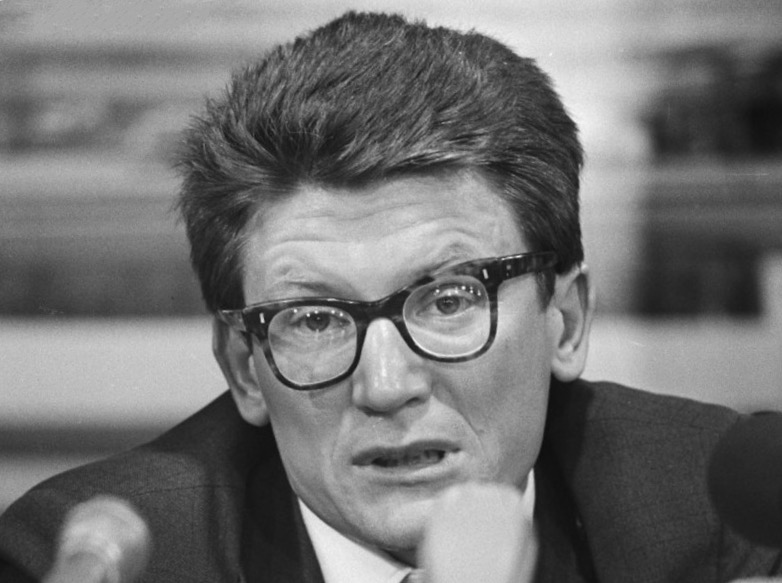
Although scientific and technical progress change the world before our very eyes, it is, in fact, based on a very narrow social foundation. The more significant scientific successes become, the sharper will be the contrast between those who achieve and exploit them and the rest of the world. Soviet rockets have reached Venus, while in the village where I live potatoes are still dug by hand.


Andrei Amalrik, Will the Soviet Union Survive Until 1984?, 1970, p. 66.

Categories
video

Video: How Dr. Stein Sleeps at Night

An interesting challenge to the Green Party’s presidential candidate, and her expert response:

https://youtu.be/WbX7v246Ynk

Categories
Today

Baltic Independence

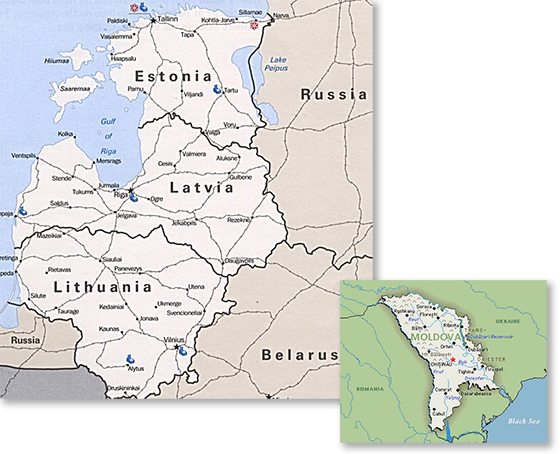
On August 27, 1991, the European Community recognized the independence of the Baltic states of Estonia, Latvia and Lithuania, and Moldova after they had declared their independence from the USSR.

Categories
Thought

Samuel Johnson

Among the calamities of war may be justly numbered the diminution of the love of truth, by the falsehoods which interest dictates and credulity encourages.


Dr. Johnson, The Idler, No. 30 (November 11, 1758).

Categories
folly ideological culture media and media people national politics & policies political challengers

Naked Came the Pickle

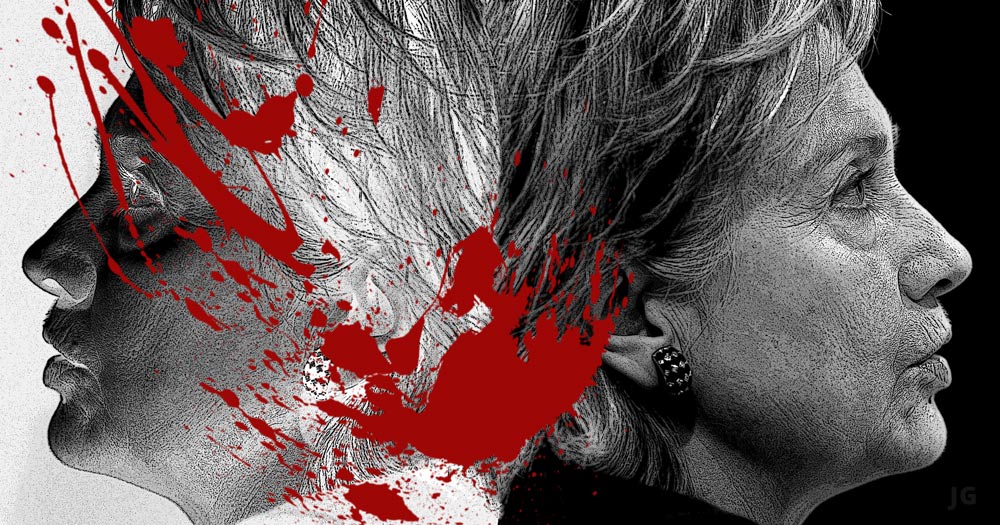
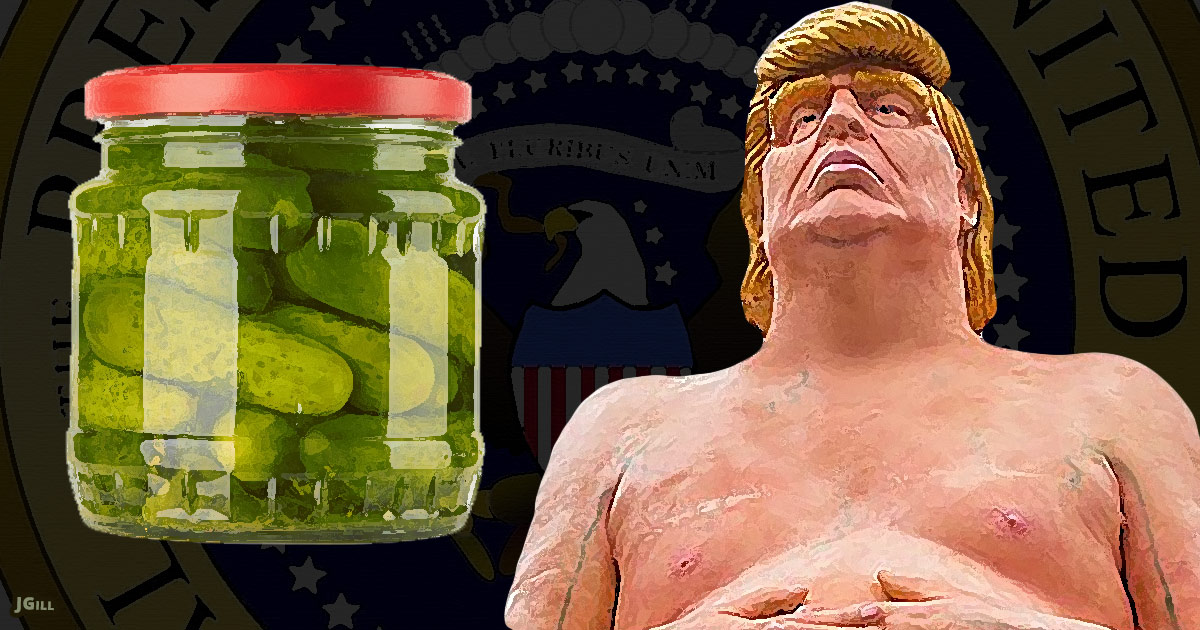
Last week, Donald Trump’s enemies staged an “emperor has no clothes” gag in full view of the public. It was a caricature of Trump, and featured him fat, old, and nude . . . and gave us a full view of the pubic.

Titled “The Emperor Has No Balls,” it failed to qualify as highbrow.

Kristin Tate, author of Government Gone Wild, was one of many non-left commenters to take note of the double standard in plain sight: while media folk chuckled and even gloried in the short-lived art placements, their reaction to a similar graven image of Hillary Clinton would almost certainly have been viewed with horror and outrage.

This week, the real (non-effigy) Hillary proffered another stunt.

Facing rumors that she is not well, that her fall several years ago left her with a host of neurological and physical disabilities — rumors that focus on her weird leave of the stage at one of the Bernie debates, her strange, uncomfortable and borderline autistic bouts of laughter, her exaggerated motions, and much more — Mrs. Clinton went on Jimmy Kimmel Live to open a jar of pickles.

Considering the pickle she placed America in throughout the Middle East, perhaps there was a message here.

Whatever feat of strength this was supposed to amount to, Kristin Tate is having none of it. On Fox News’s RedEye, Ms. Tate insisted she heard no telltale “pop” that would indicate the unsealing of a sealed jar.

Somehow, this whole election season is symbolized in one lame stunt.

This is Common Sense. I’m Paul Jacob.


Printable PDF

Donald Trump, statue, Hillary Clinton, pickles, illustration


Categories
free trade & free markets general freedom ideological culture meme moral hazard nannyism national politics & policies too much government

If they can do it, why can’t we?

In Europe, some large programs (like “free” healthcare and college”) appear to work for some countries and are a complete disaster for other nations. In many southern European nations, citizens look on state provided healthcare with horror, and make every effort to insure that they don’t have to depend on that system.
American progressives are strangely incurious about what makes some systems work and other systems crash and burn. In many cases, the explanation is cultural and institutional. (As it happens, Scandinavians had a well-established culture of hard work and self reliance and social cohesion, which is what made the establishment of a large welfare state even possible. When the Scandinavians began their ambitious welfare programs, it was a point of honor among many to NOT USE IT. This attitude has been eroded over time).
The Scandinavian models also have had better success rates because they have focused on maintaining a VERY FREE business environment, with corporate taxes LOWER than are found in the US, and limits placed on unions (a practice that would be abhorrent to the average American progressive).

When large government programs are established in the U.S., they quickly become bloated, inefficient and corrupt. The government is currently $21 trillion in debt.
Why not demonstrate that they can do the job they already have before being given control of the healthcare industry (an estimated 1/5 of the economy)?

Opponents of the progressive welfare state believe that considerable damage could be done to the American system (which has always been a powerhouse of innovation and expertise), and many people could be hurt.