Rundown of the week’s big stories, including the new space deal.
This is surely not full privatization, but it is better than NASA monopolizing the space effort.
Plus: Peter Thiel on good and bad monopolies.
Rundown of the week’s big stories, including the new space deal.
This is surely not full privatization, but it is better than NASA monopolizing the space effort.
Plus: Peter Thiel on good and bad monopolies.
According to the citizens on this video, and scuttlebutt on the Net, government game officials wouldn’t do anything because the bear wasn’t harming anyone. Low-quality video of a high-quality, heroic rescue:
http://youtu.be/g6GfHRsBrUA
So why did this job devolve to regular folks? Why did not the government do its job?
Perhaps Herbert Spencer explained it best:
Unlike private enterprise which quickly modifies its actions to meet emergencies — unlike the shopkeeper who promptly finds the wherewith to satisfy a sudden demand — unlike the railway company which doubles its trains to carry a special influx of passengers; the law-made instrumentality lumbers on under all varieties of circumstances at its habitual rate. By its very nature it is fitted only for average requirements, and inevitably fails under unusual requirements.
The state can only take care of the bare necessities. Not, in this case, the necessities of a bear.
A new video by Paul Jacob:
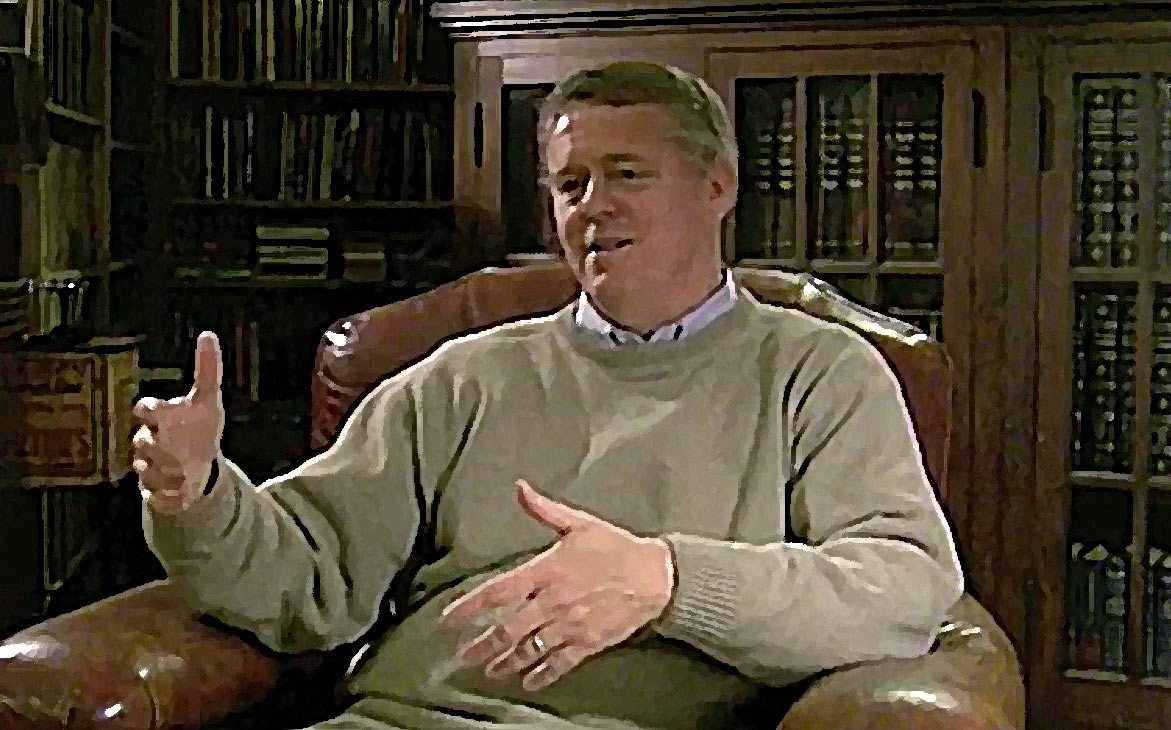
“There are people out there who fear the police more than they fear the criminals.”
Radley Balko interviewed about the militarization of America’s police, community policing, the Ferguson atrocities, and the “criminalization of poverty”:
A practical proposal that will solve some of Ferguson’s (and the nation’s) problems:
http://youtu.be/sXwK6uAY-uU
Yes, there is something practical for you to do now:
* Click “Like,” at the very least, and pull down from the page’s “Like” icon the menu to select “Get Notifications.” Thanks!
The War on Drugs led to the use of police state tactics and widespread corruption.
It is important to ask questions.
George Takei talks about his childhood experience in a World War II internment camp, and immediately after, and how he squared his experience with the ideals of American democracy:
From Dinesh D’Souza’s new movie, now in theaters:
Ninety percent of those spied upon are under no suspicion: