On September 18, 1793, George Washington laid the cornerstone of the Capitol building.
It has grown, since.
On September 18, 1838, Richard Cobden established the Anti-Corn Law League, which proceeded to bring free trade to Britain.
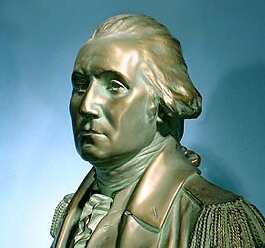
On September 18, 1793, George Washington laid the cornerstone of the Capitol building.
It has grown, since.
On September 18, 1838, Richard Cobden established the Anti-Corn Law League, which proceeded to bring free trade to Britain.
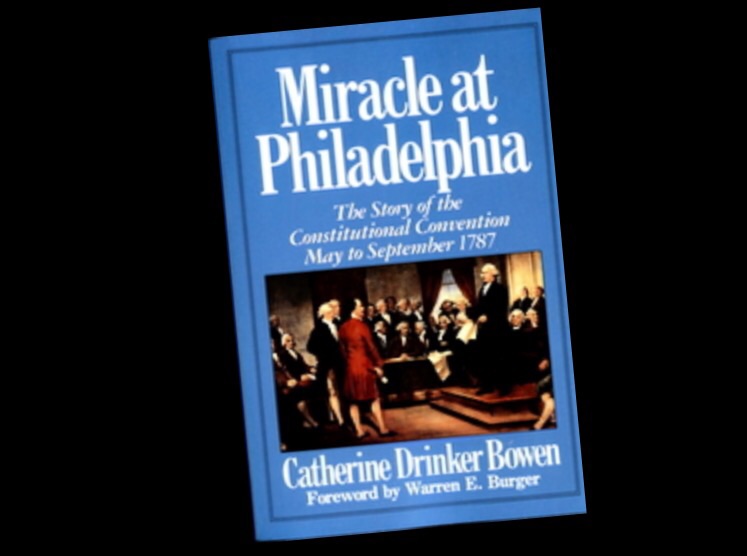
On September 17, 1787, the Constitution of the United States was signed in Philadelphia, Pennsylvania. It should be noted, however, that the signatories did not thereby ratify their proposed new constitution for the union. The states had to ratify the document, which was done state by state. The document would not have passed enough states to take effect had not there been a promise to quickly pass a set of amendments, which became known as the Bill of Rights.
In 1849 on this same day in September, Harriet Tubman escaped to freedom in Philadelphia, but soon returned to Maryland to rescue her family. She made at least 13 trips into the slave-owning South to liberate more than 70 slaves before the Civil War — in which she served as a spy for the North.
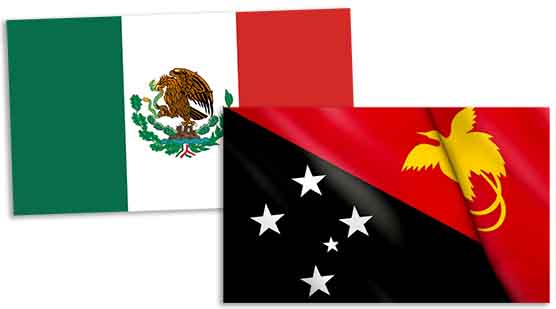
September 16 marks the Independence Days for Mexico (celebrating the declaration of independence from Spain in 1810) and Papua New Guinea (commemorating the exit from Australia in 1975).
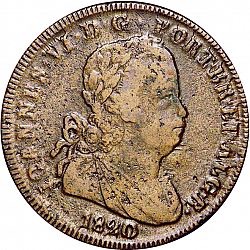
On September 15, 1820, an uprising occurred in Lisbon, Portugal, following similar insurrection in Porto the previous month. This was no bloodthirsty mob, but, instead, a popular demand for constitutional government. Unfortunately, the country was beset with imperial and monarchical problems for some time to come.
The United Nations established September 15 as International Day of Democracy, in 2007. An Independence Day is celebrated on this date in Guatemala (a Patriotic Day), El Salvador, Honduras, Nicaragua, and Costa Rica, commemorating independence from Spain in 1821.
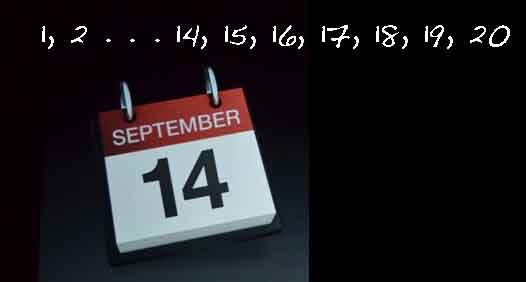
In 1752, throughout the British Empire, September 2 was followed, the next day, by September 14, as the government adopted the Gregorian calendar, skipping eleven days.
On September 14, 1944, Maastricht becomes the first Dutch city to be liberated by allied forces.
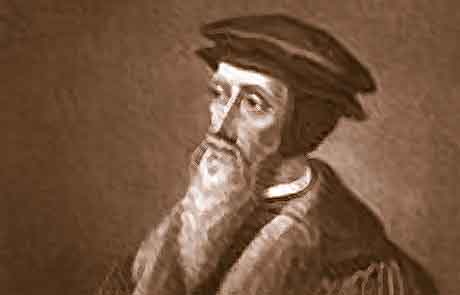
John Calvin [pictured above] returned to Geneva on September 13, 1541, after three years of exile. His subsequent work in church reform and theology became known as Calvinism, and profoundly influenced the course of European and (eventually) American culture, including several concepts of servitude and liberty.
On the same date in 1989, Desmond Tutu led South Africa’s largest march aganst Apartheid.
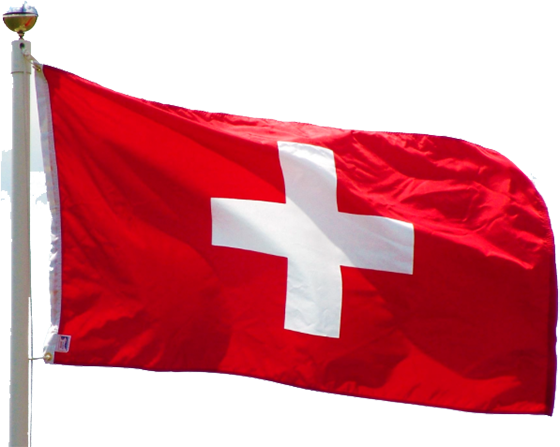
On September 12, 1848, Switzerland — known by endonyms Schweizerische Eidgenoßenschaft (German), Confédération suisse (French), Confederazione Svizzera (Italian), Confederaziun svizra (Romansh), Confoederatio helvetica (Latin) — became a unified federal state with a constitution limiting central government powers and providing decentralized state (canton) power patterned on the U.S. Constitution.
In 1880 on this date, H. L. Mencken was born. One of his earliest books was a debate with a socialist, The Men versus The Man (1910); his greatest lasting contribution was probably The American Language (1919) and its supplements (1945, 1948). His work has been collected in numerous anthologies, such as Alistair Cooke’s Vintage Mencken (1955) and the author’s own Mencken Chrestomathy.
September 11 is the 255th day of 2024. Notable events on this date from previous years include:
In non-siege related history:
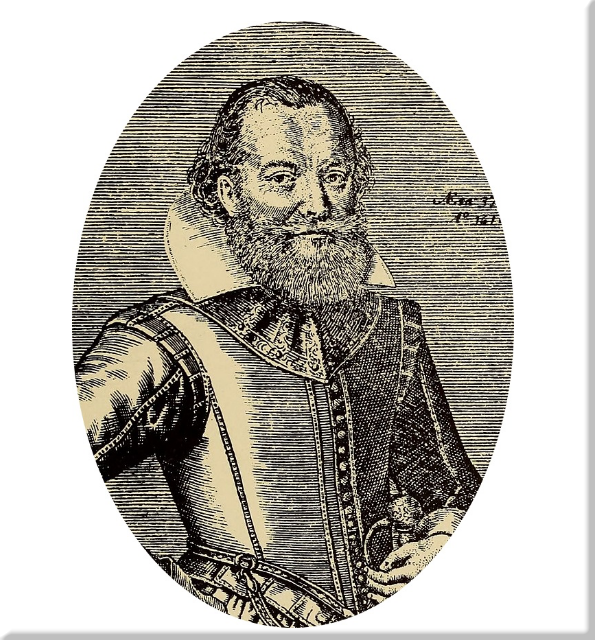
On September 10, 1608, John Smith was elected council president of Jamestown, Virginia.
On September 10, 2001, Secretary of Defense Donald Rumsfeld gave a speech about an “adversary that poses a serious threat to the United States of America.” Describing it as “one of the last bastions of central planning, governs by dictating five year plans,” and that “with brutal consistency it stifles free thought and crushes new ideas.”
The adversary? “The Pentagon bureaucracy — not the people, but the processes.” And he went on to state that the Pentagon could not account for more than $2.3 trillion.

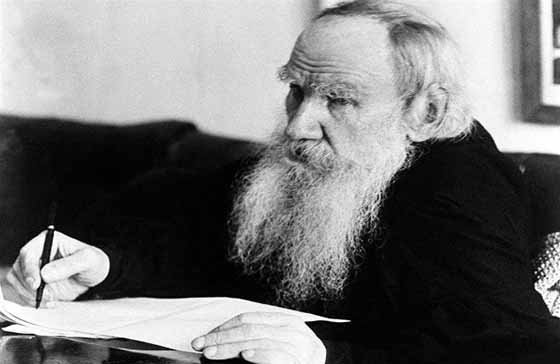
On September 9, 1828, Count Lev Nikolayevich Tolstoy was born. Known most commonly in the English-speaking world as Leo Tolstoy, he became the celebrated author of the novels Anna Karenina and War and Peace, as well as the novellas and short stories such as “Family Happiness,” “The Death of Ivan Ilyich,” and “The Kreutzer Sonata.”
His political and religious ideas heavily influenced Gandhi and Martin Luther King, Jr.
Tolstoy died in 1910.