On November 9, 1998, capital punishment in the United Kingdom, previously abolished for murder, was completely abolished for all remaining capital offences.
Categories
On November 9, 1998, capital punishment in the United Kingdom, previously abolished for murder, was completely abolished for all remaining capital offences.
On September 9, 1739, the largest slave uprising in Britain’s mainland North American colonies prior to the American Revolution erupted near Charleston, South Carolina. Jemmy, a literate slave — also called “Cato” — led 20 other enslaved Kongolese men to the Stono River, for which the event is named, the Stono Rebellion. (It is also sometimes called Cato’s Rebellion and Cato’s Conspiracy.) Several confrontations occurred, with less than a hundred deaths all told, before the rebellion was quelled.
The South Carolina legislature passed, as a response, the Negro Act of 1740, which restricted slave assembly, education and movement. It also enacted a 10-year moratorium against importing African slaves, and established penalties against slaveholders’ harsh treatment of slaves. The legislature also began regulating manumission.
On September 8, 1883, former U.S. President Ulysses S. Grant drove in the final “golden spike” completing the Northern Pacific Railway in a ceremony at Gold Creek, Montana.
 Follow the money.
 On July 12, 1817, Henry David Thoreau was born. He would go on to become one of the leading figures in America’s Transcendentalist movement, most famously writing Walden: or, Life in the Woods [cabin pictured]. His defense of John Brown deeply affected later interpretations of the raid on Harper’s Ferry, and his “Essay on Civil Disobedience,” protesting the Mexican-American War, has become a classic not only of protest but of political theory.
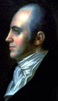 On July 11, 1804, U.S. Vice President Aaron Burr [pictured] shot former Secretary of the Treasury Alexander Hamilton, who died within days. The shooting was a duel of honor in which Burr had challenged Hamilton. But in a sense Burr lost, for Hamilton had left a letter that made him seem almost a martyr. The letter may have been less than veracious, but it was effective, and popular opinion quickly turned on Burr.
On July 11, 1909, mathematician, astronomer, and economist Simon Newcomb died. On this date in 1960, Harper Lee’s classic novel “To Kill a Mockingbird” is published.
July 11 is World Population Day, an event cooked up by the Governing Council of the United Nations Development Programme in 1989. The day may be a propagandistic tool of the international statist elite, but freedom-lovers could celebrate by promoting the anti-Malthusian population writings of Nassau Senior, Herbert Spencer, and Julian Simon.
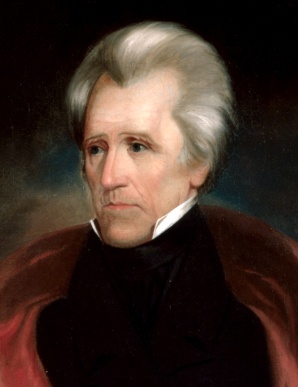 On July 10, 1832, President Andrew Jackson vetoes the Second Bank of the United States, ending central banking in America until the establishment of the Federal Reserve in 1913.
On July 10, 1913, the record for the highest temperature in the United States is set in Death Valley, California, at 134° F. Must’ve been global warming.
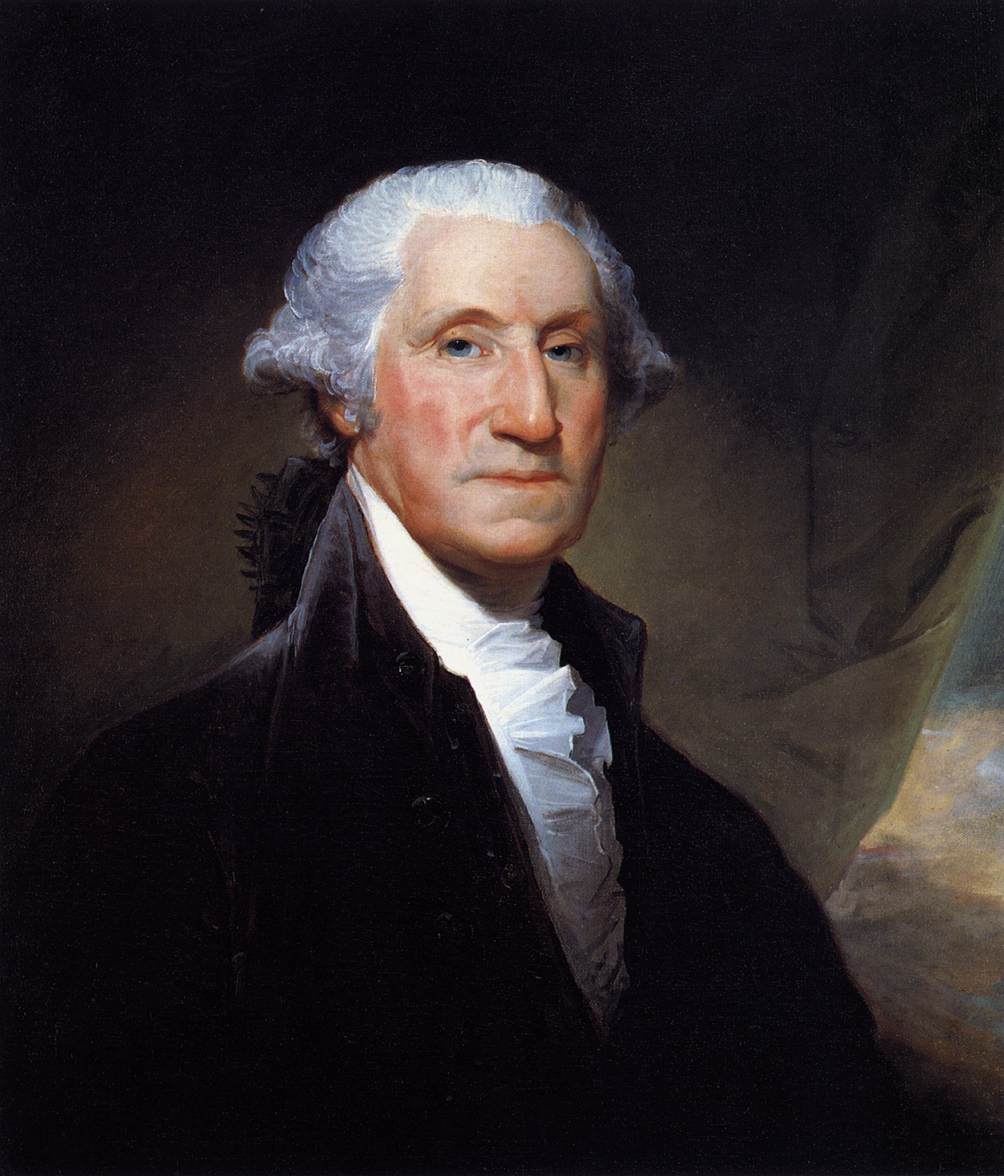 General George Washington ordered the Declaration of Independence to be read alout to the troops of the Continental Army in New York, for the first time, on July 9, 1776. In 1793 on this date, Upper Canada passed the Act Against Slavery, prohibiting important of slaves into Lower Canada. In 1816, Argentina declared independence from Spain. In 1876, the 14th Amendment to the United States Constitution is ratified.
On July 9, 1896, William Jennings Bryan fans the flame of inflationism with his famous “Cross of Gold” speech.
 On July 7, 1863, the United States begins its first military draft, allowing individuals an exemption at the price of $300. For the wealthy who can afford it, the exemption, not the draft, may be said to be “neater than sliced bread” — a product first sold on this date in 1928 by the Chillicothe Baking Company in Missouri.
In 1958, President Eisenhower signs the Alaska Statehood Act, allowing Alaska to join the union as the 49th state early in 1959. In 1978 the Solomon Islands become independent of the United Kingdom.
Science fiction writer Robert Heinlein [pictured, above] — author of “The Moon is a Harsh Mistress” and other classics — is born on July 7, 1907. Thomas Hooker, Puritan founder of the colony of Connecticut — a major advocate of religious toleration — died on this date in 1647.
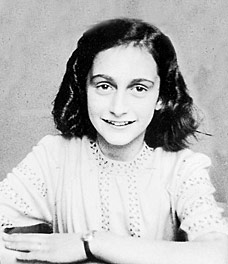 July 6 marks some horrific attacks upon individual liberty — indeed, on individuals’ lives. In 1415, Jan Hus is burned at the stake. In 1535, King Henry VIII of England has Sir Thomas More executed for treason. In 1939, the Nazis close the last remaining Jewish enterprises in Germany. Exactly three years later, Anne Frank and her family go into hiding.