On October 16, 1781, George Washington captured Yorktown, Virginia, after the Siege of Yorktown.
October 16 is a traditional date to award Nobel Peace Prizes, good (Desmond Tutu, 1984), and bad (Henry Kissinger, 1973). Two Nobel laureates were born on October 16, as well: Austen Chamberlain, English statesman, saw daylight first in 1863; Eugene O’Neill, American playwright and Nobel Laureate for Literature, made his debut in 1888.
 On October 14, 1644, Willliam Penn was born. An English real estate entrepreneur, philosopher, and founder of the Province of Pennsylvania (the English North American colony and future Commonwealth of Pennsylvania), he was an early champion of democracy and religious freedom, notable for his good relations and successful treaties with the Lenape Indians.
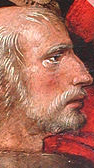 On October 12, 1492, Christopher Columbus landed in the Bahamas, thinking he had reached India.
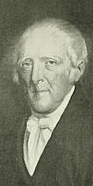 On October 11, 1811, the Juliana began its maiden voyage on its regular route, between New York City, New York, and Hoboken, New Jersey. It was the world’s first steam-powered ferry, invented by John Stevens (pictured). His earlier steam-powered boat, the Phoenix, marked the pages of history as the first steam-powered boat to navigate the open ocean, two years earlier.
 On October 10, 1714, the French economist Pierre le Pesant, sieur de Boisguilbert or Boisguillebert (pictured) died. On the same date in 1973, Austrian-born American economist, Ludwig von Mises died. Both economists were known for their defenses of freer markets: le Pesant for pioneering the critique of mercantilism; Mises for systematizing economic theory and advancing the critique of both socialism and latter-day mercantalism (what he called “interventionism”).
 On October 9, 1635, Protestant theologian Roger Williams was banished from the Massachusetts Bay Colony as a religious dissident after he spoke out against punishments for religious offenses and giving away Native American land. He moved south, founding Providence Plantations, where he fought for separation of church and state, the rights of aboriginal Americans, and against slavery.
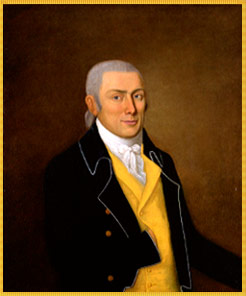 On October 7, 1792, George Mason — “The Father of the Bill of Rights” — died. He had drafted the Virginia Declaration of Rights in 1776, and, at the time of the drafting and ratification of the Constitution, had insisted on the addition of articles to solidify state’s and individual rights within the new order.