On April 5, 1792, U.S. President George Washington exercised his authority to veto a bill, the first time this power was used in the United States.
Categories
Presidential Veto
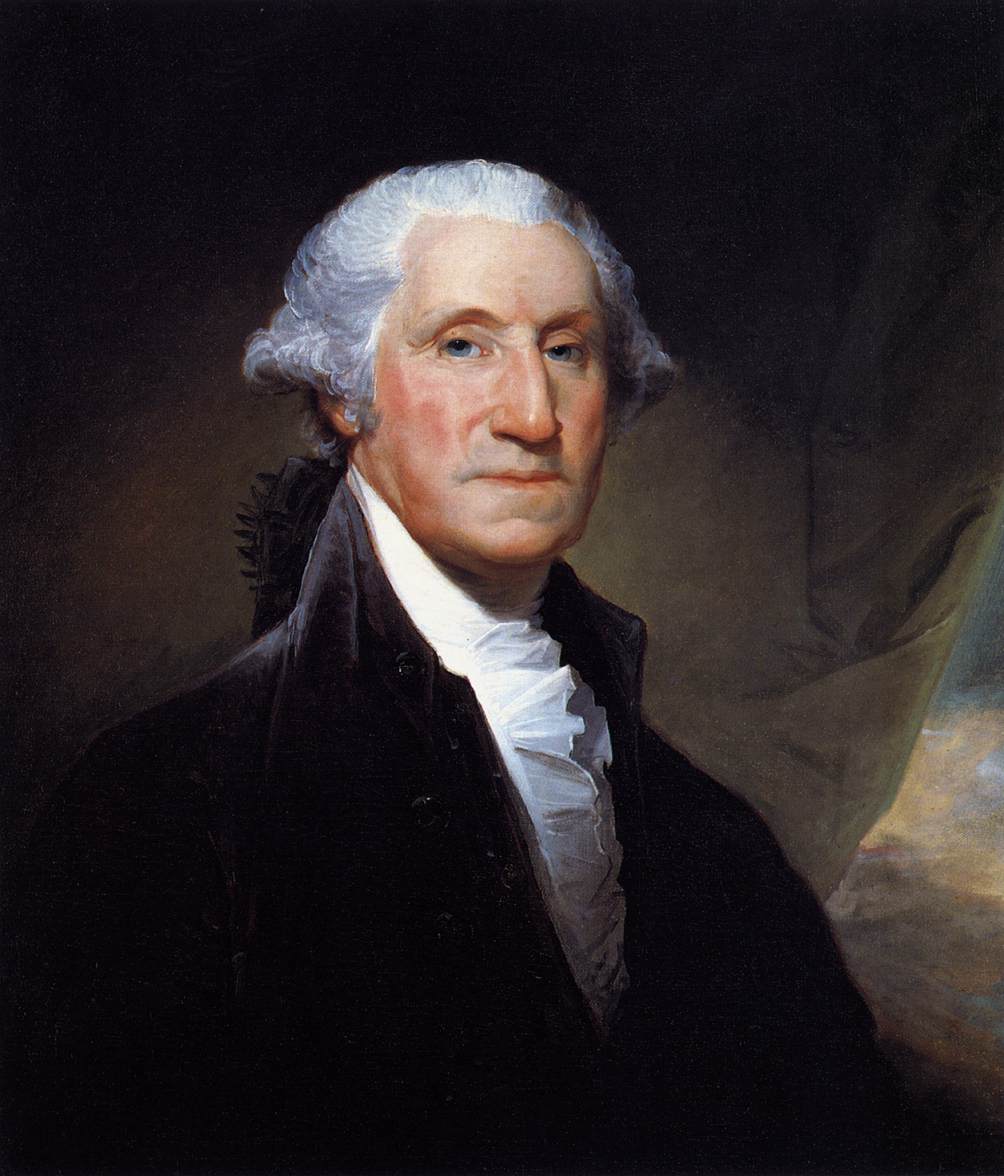
On April 5, 1792, U.S. President George Washington exercised his authority to veto a bill, the first time this power was used in the United States.
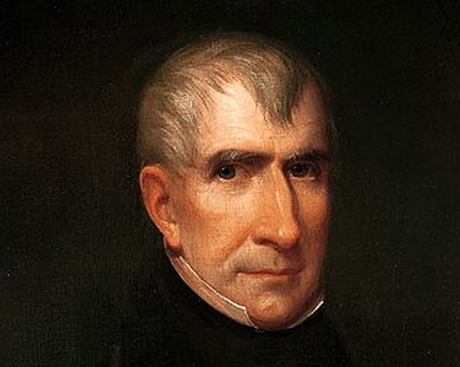
On April 4, 1841, William Henry Harrison died of pneumonia, becoming the first President of the United States to die in office and the one with the shortest term served (he died on his 32nd day as president). Renowned Indian killer, a proponent of the expansion of slavery into Northwest Territories, and a Whig, Harrison won the presidency in part by turning the Democrats’ “log cabin and hard cider” aspersions on his character as the basic symbols of the campaign.
Though hardly a “limited government man,” some limited government history buffs proclaim him the Greatest President, on the ostensibly droll and possibly cynical grounds that he spent so little time in office.
On a sadder note, Martin Luther King, Jr., was assassinated on this day in 1968.

On March 24, 1765, the Kingdom of Great Britain passed the Quartering Act, which required the Thirteen Colonies to house British troops.
On the same date in 1855, slavery was abolished in Venezuela.
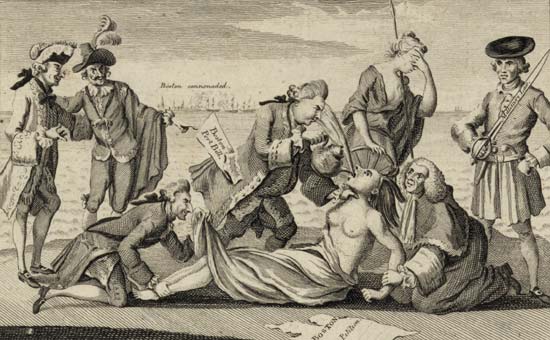 The Intolerable Acts (among which was the Quartering Act) was the American Patriots’ name for a series of punitive laws passed by the British Parliament in 1774 after the Boston Tea party. They were meant to punish the Massachusetts colonists for their defiance in throwing a large tea shipment into Boston harbor. In Great Britain, these laws were referred to as the Coercive Acts.
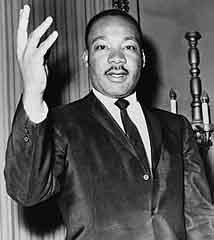
On March 21, 1965, Dr. Martin Luther King, Jr. led 3,200 people on the start of the third and finally successful civil rights march from Selma to Montgomery, Alabama.

On March 20, 1852, Harriet Beecher Stowe’s novel Uncle Tom’s Cabin was published.
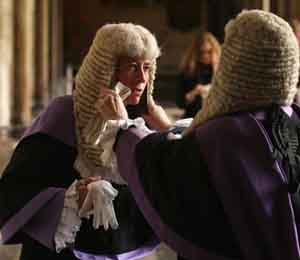
On March 19, 1649, England’s House of Commons passed an act abolishing the House of Lords, declaring it “useless and dangerous to the people of England.”
This was during Oliver Cromwell’s rule as Lord Protector, after the execution of Charles I. The House of Lords did not again meet until the Convention Parliament of 1660, under the Restoration of the monarchy.

On March 18, 1959, President Dwight D. Eisenhower signed a bill enabling Hawaii to become the 50th state in the Union. The official day of statehood was set for (and became) August 21 of that year.
The statehood signing occurred exactly 85 years after The Kingdom of Hawaii formalized its treaty with the U. S. establishing exclusive trading rights.
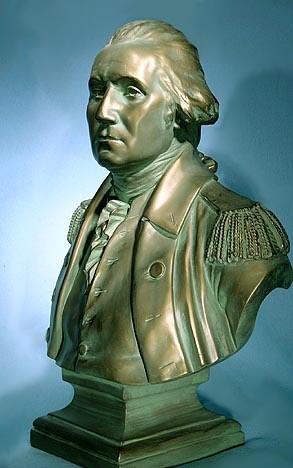
On March 17, 1780, General George Washington granted the Continental Army a holiday “as an act of solidarity with the Irish in their fight for independence.”
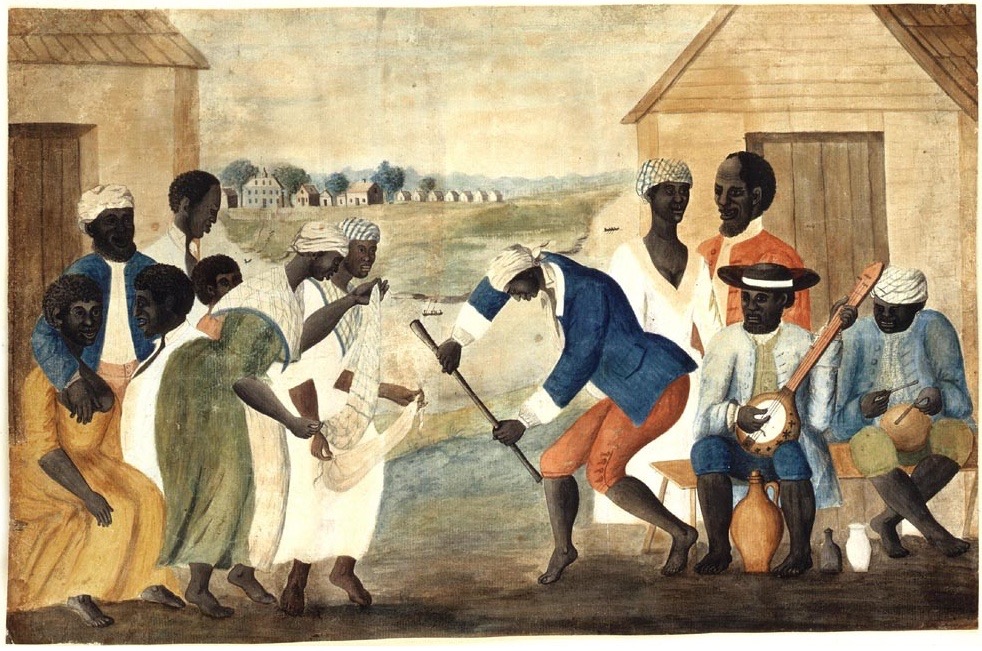
On March 16, 1995, the state of Mississippi formally ratified the Thirteenth Amendment, becoming the last state of the Union to approve the abolition of slavery. The Thirteenth Amendment had been officially ratified in 1865, one hundred thirty years earlier.
James Madison, fourth President of the United States and “Father of the Constitution,” was born on this date in 1751.
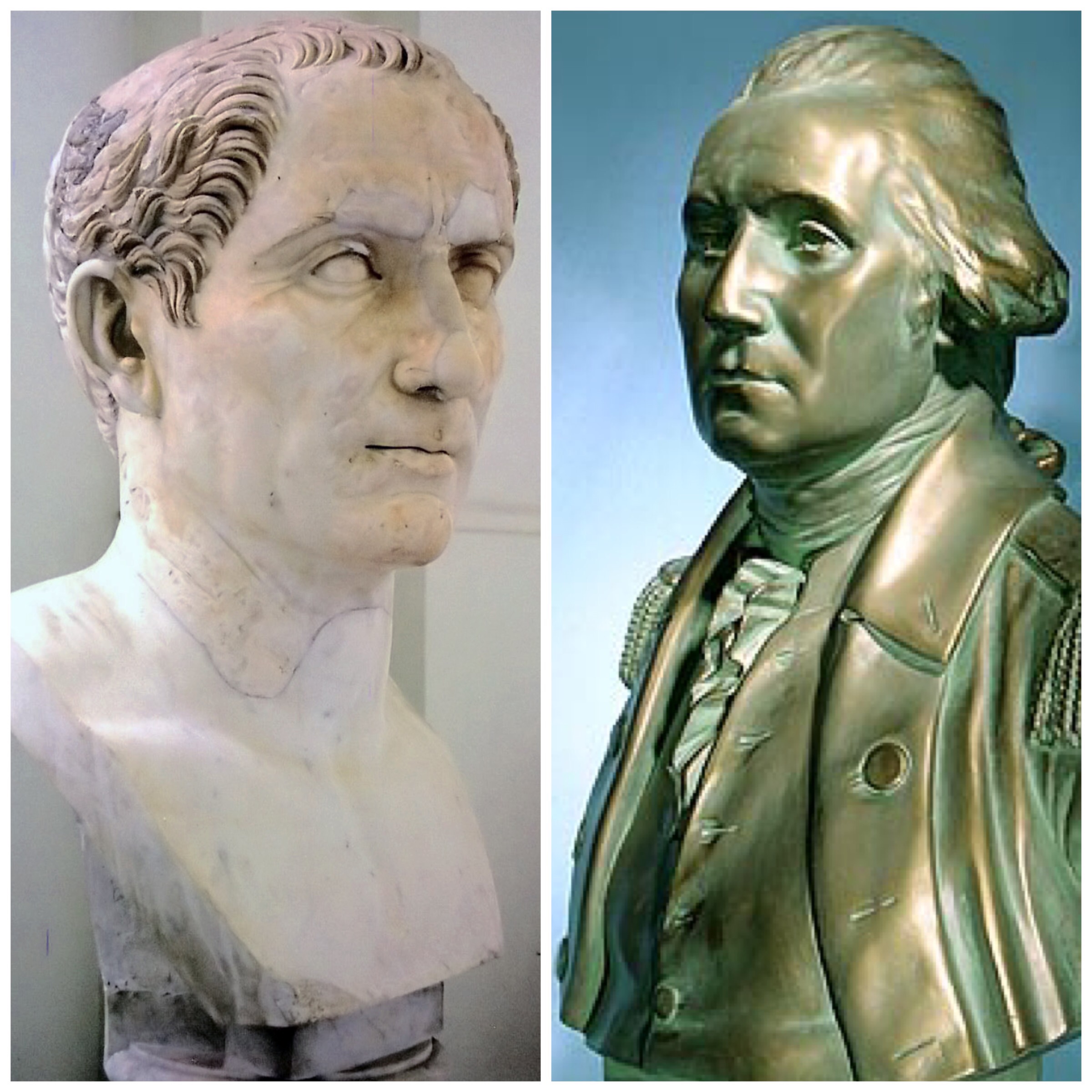
March 15 was “the Ides of March” in the Roman calendar, and in 44 BC, Julius Caesar, Dictator of the Roman Republic, was stabbed to death by a handful of prominent senators on that date.
On the same date in 1783, General George Washington eloquently entreated his officers not to support the Newburgh Conspiracy. His plea was successful and the threatened coup d’état never took place.