Categories
Today

June the Fourth

June 4 marks Finland’s Armed Forces Day, Tonga’s Emancipation [or Independence] Day (commemorating the abolition of serfdom in Tonga by King George Tupou in 1862, and the independence of Tonga from the British protectorate in 1970), Estonia’s Flag Day, and the international Tiananmen Square Protests of 1989 Memorial Day.

Categories
Today

New Constitution

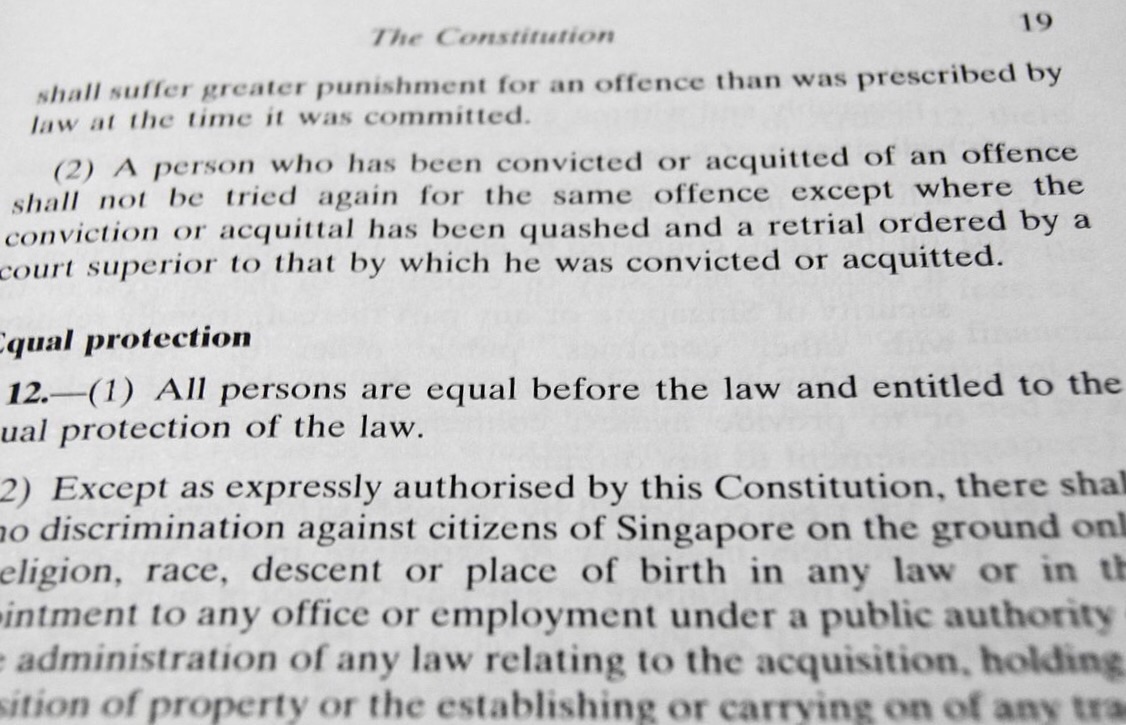
On June 3, 1959, Singapore adopted a constitution.

Categories
Today

American citizenship

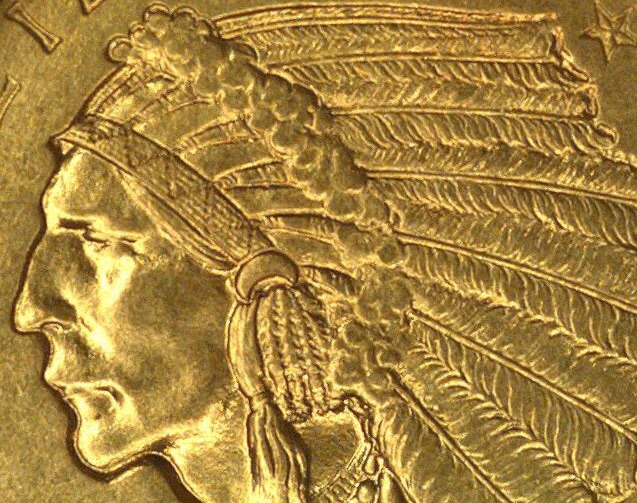
On June 2, 1924, President Calvin Coolidge signed the Indian Citizenship Act into law, granting citizenship to all Native Americans born within the territorial limits of the United States.

Categories
Today

Kentucky, Tennessee

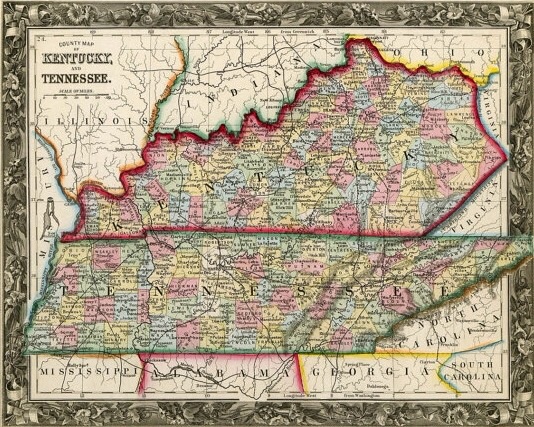
On June 1, 1792, Kentucky was admitted as the 15th state of the United States. Four years later, Tennessee became the 16th state.

Categories
Today

Habeas corpus

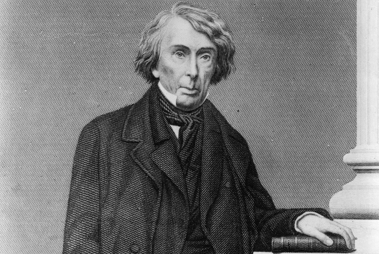
On May 27, 1863, Chief Justice Roger B. Taney of Maryland issued Ex parte Merryman, challenging the authority of President Abraham Lincoln to suspend the writ of habeas corpus in Maryland, the legal procedure that prevents the government from holding an individual indefinitely without showing cause.

Two days earlier, John Merryman, a vocal secessionist, had been arrested in Cockeysville. Although military officials continued to arrest suspected Southern sympathizers, the incident led to a softening of the policy.

Categories
Today

Burckhardt Born

May 25, 1818, the Swiss historian and academic Jacob Burckhardt was born. Burckhardt’s best known work is The Civilization of the Renaissance in Italy (1860), but is remembered here as the author of Reflections on History (1905).


Erratum: In our daily email, we erroneously gave May 25 as the date for William of Okham’s fleeing the papal city of Avignon. That event, and John Calvin’s banishment years later, both occurred on May 26 of their respective years. We are sorry for the error.

Categories
Today

Victoria Woodhull

On May 10, 1872, Victoria Woodhull became the first woman nominated for President of the United States.

In a landmark Supreme Court decision on May 10, 1893, the tomato was ruled a vegetable, not a fruit.

Categories
Today

John Brown

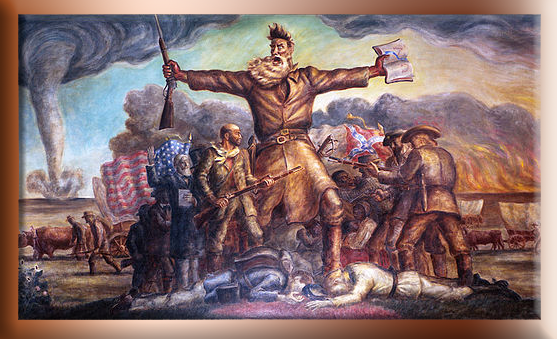
On May 9, 1800, abolitionist revolutionary (and, technically, terrorist) John Brown was born. In 1883 on this date, Spanish philosopher José Ortega y Gasset was born.

Categories
Today

Celebrate/Protest with a bang!

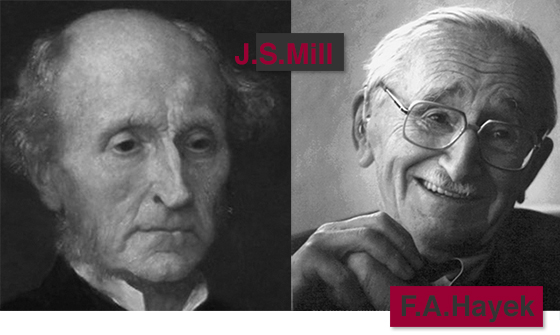
On May 8, 1899, Austrian-English economist and philosopher Friedrich August von Hayek was born. He signed the bulk of his books written in the English language as “F.A. Hayek,” and is best known for “The Road to Serfdom,” “The Constitution of Liberty,” “The Fatal Conceit,” and many essays, several of them which are widely cited, including “Individualism, True and False” and “The Use of Knowledge in Society.”

Years earlier, on the same date in 1873, English philosopher and economist John Stuart Mill died. Now best known for “On Liberty” and “Utilitarianism,” Mill’s letters were edited into book form by Hayek.

On May 8, 1946, two Estonian school girls (Aili Jõgi and Ageeda Paavel) blew up the Soviet memorial which stood in front of the Bronze Soldier in Tallinn.

Categories
Today

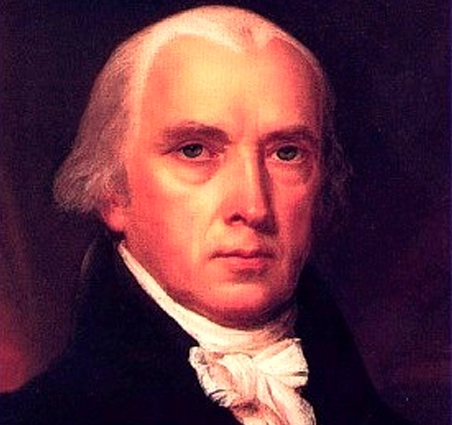
Belated Amendment

On May 7, 1992, Michigan ratified a 203-year-old proposed amendment to the United States Constitution, thereby fulfilling the terms of amending the document, adding it as 27th Amendment. The amendment had been written by James Madison. He had presented it as part of the original twelve amendments that became the ten making up the Bill of Rights. It bars the U.S. Congress from giving itself a pay raise until after the next election, so that voters have a chance to decide whether those voting for the raise would remain in Congress to receive it.