On July 30, 1419, the First Defenestration of Prague: Jan Želivský, a Hussite priest at the church of the Virgin Mary of the Snows, led his congregation on a procession through the streets of Prague to the New Town Hall, on Charles Square. While they were marching, a stone was thrown at Želivský from the window of the town hall. The mob, enraged, stormed the hall. Once inside, the group threw the judge, the burgomaster, and some thirteen members of the town council out of the window and into the street, where they were killed by the fall or dispatched by the mob.
King Wenceslaus IV of Bohemia, upon hearing this news, was so stunned, the legend goes, that he died soon after.
On July 30, 1619, the first representative assembly in the Americas, the House of Burgesses, convened for the first time in Jamestown, Virginia. On the same date in 1676, Nathaniel Bacon issued the “Declaration of the People of Virginia,” beginning Bacon’s Rebellion against the rule of Governor William Berkeley.
On this date in 1863, representatives of the United States and tribal leaders (including the Shoshone’s Chief Pocatello) signed the Treaty of Box Elder.
July 30 birthdays include Henry Ford (1863), Gen. Smedley Butler (1881), C. Northcote Parkinson (1909), and former California Governor Arnold Schwarzenegger (1947).
Vanuatuans celebrate Independence Day on July 30.
 His huge survey of Soviet concentration camps, The Gulag Archipelago, was an important contribution to the demise of Communism as a popular ideology, showing just how horrifying the repression in the Soviet Union had become.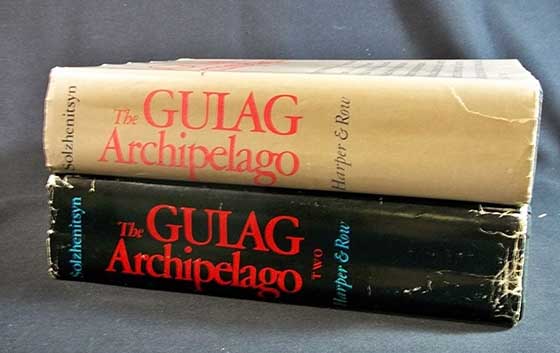
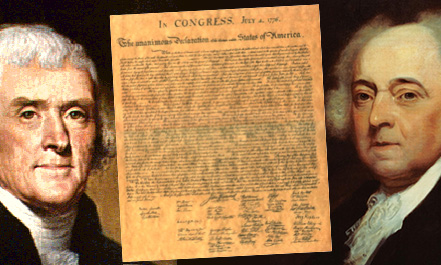
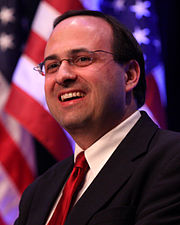 and Herman Melville (1819); and Thomas E. Woods, Jr. (1972), historian and popularizer of Austrian economics (pictured at right), podcaster of the Tom Woods Show.
 The mob pelted him with flowers.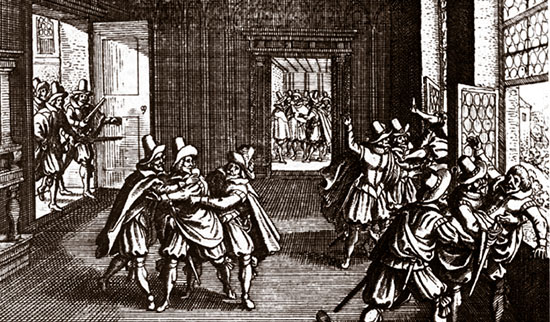
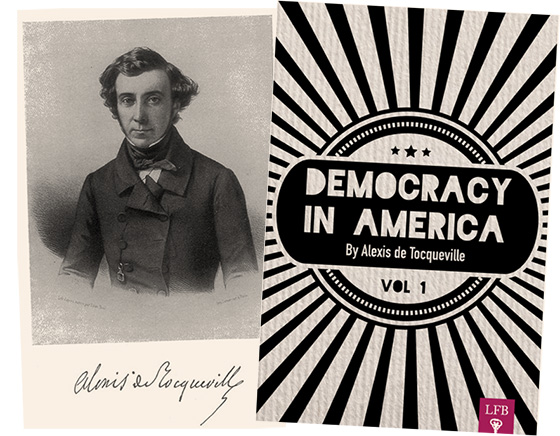
 and remains the most important early book about the United States of America. He is often referred to as a founder of sociology as well as a major figure in the development of classical liberalism.

 and later as a politician in several capacities in the state of Maryland; Hillaire Belloc (1870), author of a classic analysis of modern political governance, The Servile State; and American singer and songwriter Bobbie Gentry (1944).