On October 23, 1850, the first National Women’s Rights Convention began in Worcester, Massachusetts.
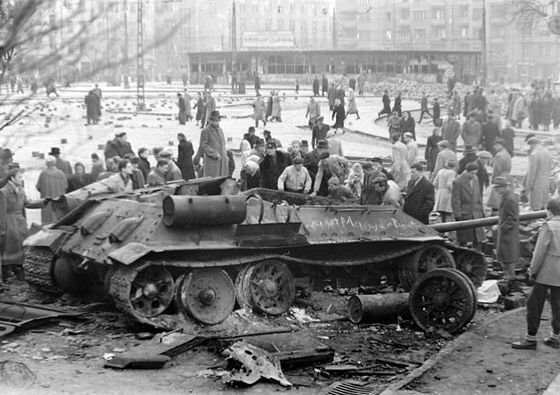
On the same October date 106 years later, thousands of Hungarians rose up against Soviet rule.
On October 23, 1850, the first National Women’s Rights Convention began in Worcester, Massachusetts.
On the same October date 106 years later, thousands of Hungarians rose up against Soviet rule.
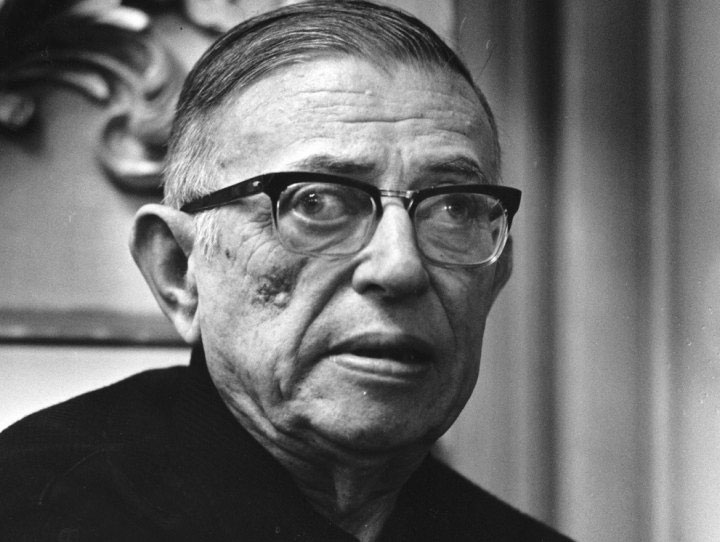
On October 22, 1964, philosopher and novelist Jean-Paul Sartre was awarded the Nobel Prize for Literature, but turned down the honor — establishing a precedent that should have been followed by numerous Peace Prize winners, including Barack Obama and the European Union.
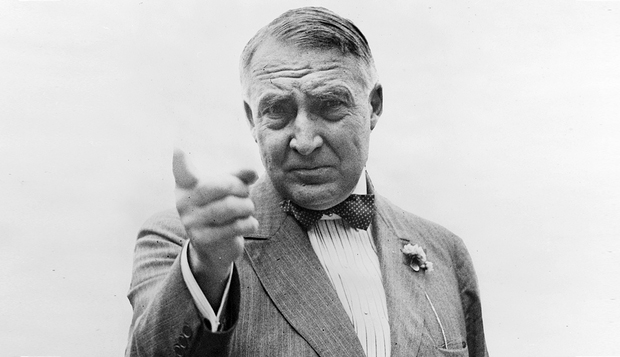
On October 21, 1921, President Warren G. Harding delivered the first speech by a sitting U.S. President against lynching in the deep South.
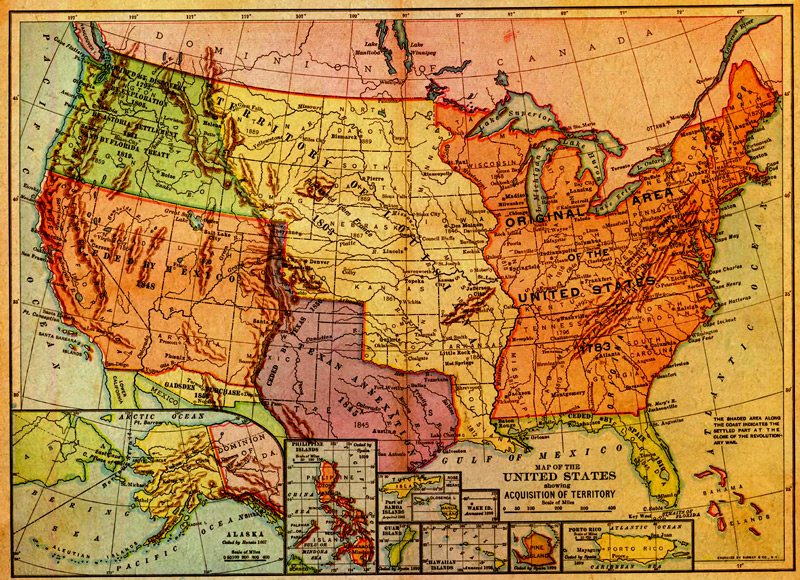
On October 20, 1803, the United States Senate ratified the Louisiana Purchase.
Exactly 15 years later, the Convention of 1818 signed between the United States and the United Kingdom which, among other things, settled the Canada-United States border on the 49th parallel for most of its length.
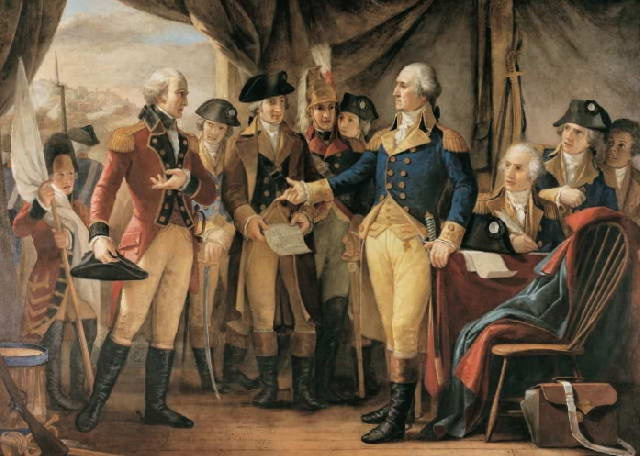
On October 19, 1781, representatives of British commander Lord Cornwallis handed over Cornwallis’s sword and formally surrendered to George Washington and the comte de Rochambeau, at Yorktown, Virginia. The Revolutionary War (or War for Independence, or Colonial Rebellion, or whatever you wish to call it) was over.
In 1918 on this date, conservative writer Russell Kirk was born.
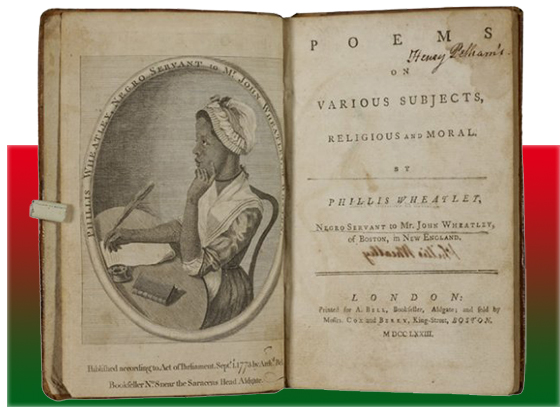
On October 18, 1775, African-American poet Phillis Wheatley was freed from slavery, upon the death of her master. Widely appreciated in her day, she was the first African-American to publish a book.
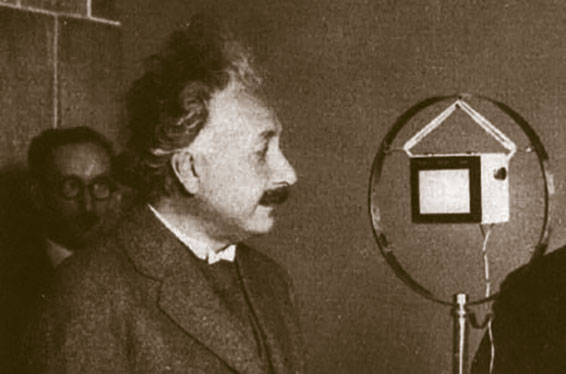
On October 17, 1933, Albert Einstein fled Nazi Germany for the United States.
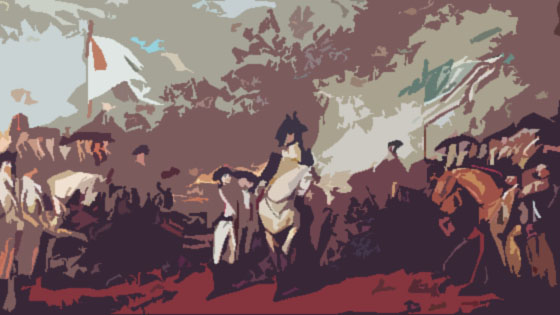
On October 16, 1781, George Washington captured Yorktown, Virginia, after the Siege of Yorktown.
October 16 is a traditional date to award Nobel Peace Prizes, good (Desmond Tutu, 1984), and bad (Henry Kissinger, 1973). Two Nobel laureates were born on October 16, as well: Austen Chamberlain, English statesman, saw daylight first in 1863; Eugene O’Neill, American playwright and Nobel Laureate for Literature, made his debut in 1888.
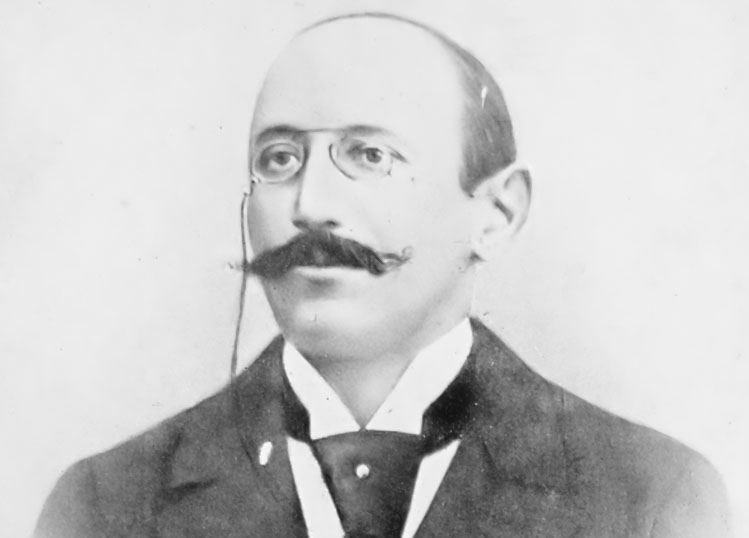
On October 15, 1894, Alfred Dreyfus (1859 – 1935) was arrested for spying: The Dreyfus Affair began.
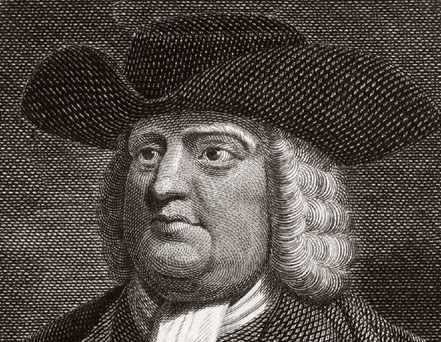
On October 14, 1644, Willliam Penn was born (died 1718). An English real estate entrepreneur, philosopher, and founder of the Province of Pennsylvania (the English North American colony and future Commonwealth of Pennsylvania), he was an early champion of democracy and religious freedom, notable for his good relations and successful treaties with the Lenape Indians.