On November 2, 1772, Samuel Adams (pictured) and Joseph Warren formed the first Committee of Correspondence.
Categories
Committee of Correspondence
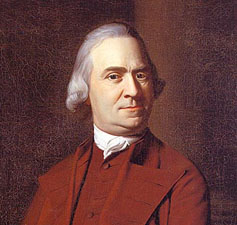
On November 2, 1772, Samuel Adams (pictured) and Joseph Warren formed the first Committee of Correspondence.
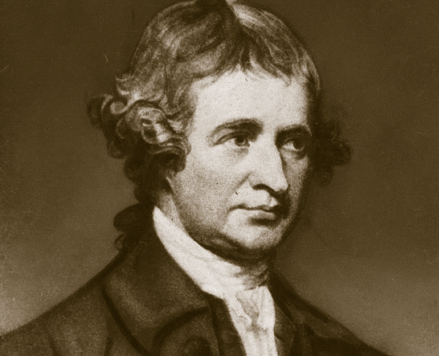
On November 1, 1790, Edmund Burke published his Reflections on the Revolution in France, predicting that the French Revolution would end in disaster. Though many have disputed his premises, few dispute his prophecy, which proved spot on.

Ireland, Canada, United Kingdom, United States and other nations celebrate Halloween on October 31.
The word Halloween or Hallowe’en dates to about 1745 and is of Christian origin, meaning “hallowed evening” or “holy evening.” It comes from a Scottish term for All Hallows’ Eve (the evening before All Hallows’ Day). In Scots, the word “eve” is “even,” and this is contracted to “e’en” or “een.” Over time, (All) Hallow(s) E(v)en shortened into Halloween.
It is one of those darker-themed celebrations, often conjuring up images of death and horror. As if in keeping with this theme, Josef Stalin’s body was removed from Lenin’s Tomb on October 31, 1961.
To acknowledge a horrifying possibility, Common Sense marks the occasion with images of the two major-party candidates for the presidency, both seeking votes in early November. One of these will (likely) become president!
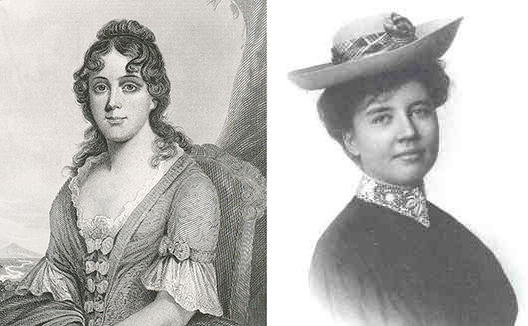
Martha Wayles Skelton Jefferson, Thomas Jefferson’s wife, was born on October 30, 1748. On the same date in 1968, American journalist, novelist and author Rose Wilder Lane died. Lane is perhaps best known, today, for her editorial work — some say “ghost writing” — of her mother’s Little House on the Prairie books for children. Her non-fiction The Discovery of Freedom was published in 1943, the same year as a similarly themed book, The God of the Machine, was published by her friend Isabel Paterson.
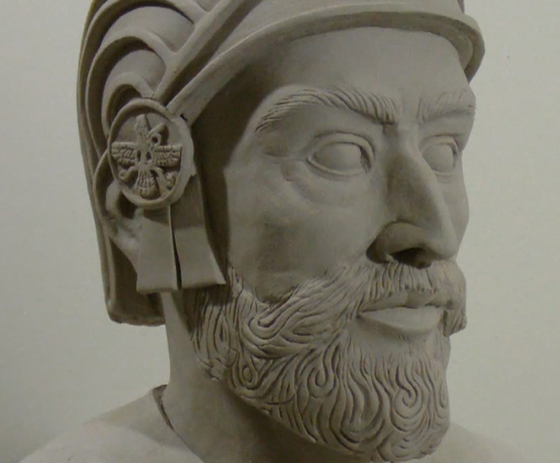
On October 29, 539 BC, Cyrus the Great entered the city of Babylon as conqueror. His general policy of religion toleration would be extended to the Jews, who were not long after allowed to return to their homeland.
On the same date in 1923 AD, the Ottomon Empire’s dissolution marked the start of the Turkish Republic.
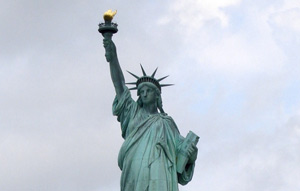
On October 28, 1886, in New York Harbor, the Statue of Liberty was dedicated by President Grover Cleveland, despite the fact that the monument was not a federally funded project.
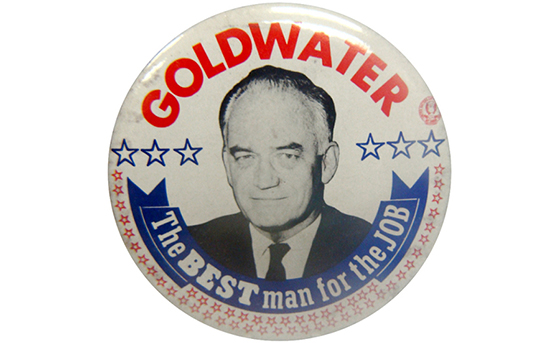
On October 27, 1964, Ronald Reagan delivered a speech on behalf of Republican candidate for president, Barry Goldwater, thereby launching Reagan’s political career. The speech came to be known as “A Time for Choosing.”
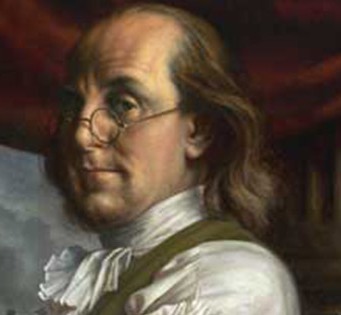
On October 26, 1774, the first Continental Congress adjourned in Philadelphia, Pennsylvania. Exactly one year later, King George III of Great Britain went before Parliament to declare the American colonies in rebellion. And one year later yet, to the day, in 1776, septuagenerian Benjamin Franklin departed from America for France, seeking financial support for the American Revolution.
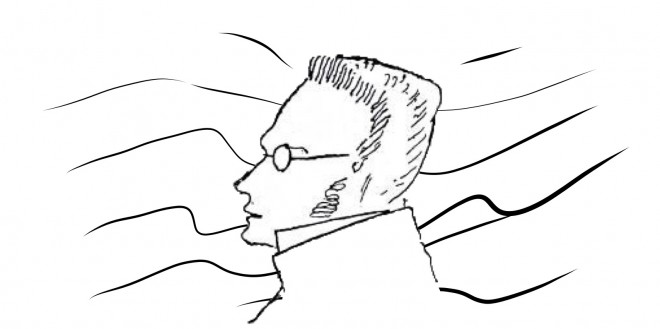
On October 25, 1806, the German philosopher Max Stirner was born. Stirner was known for his radical individualism, which under the name of “egoism” became culturally chic in the late 19th and early 20th centuries. In addition to Der Einzige und sein Eigentum, a major work that was famously attacked by Karl Marx, he translated Adam Smith’s Wealth of Nations into German.
Der Einzige und sein Eigentum has been translated into English as The Ego and Its Own and The Ego and His Own.
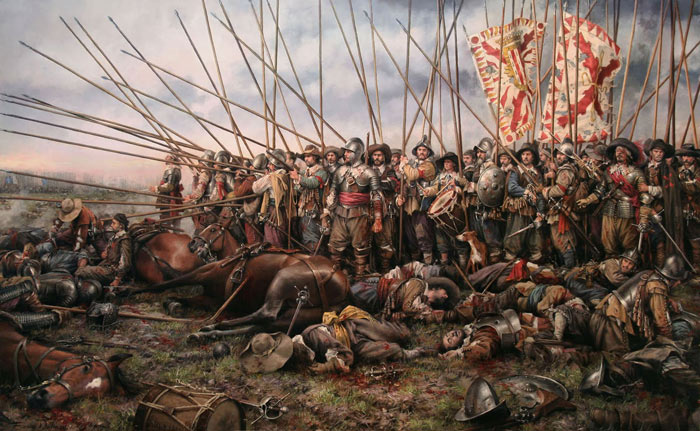
On October 24, 1648, the Peace of Westphalia was signed, marking the end of the Thirty Years’ War.