Categories
Today

Monroe Doctrine

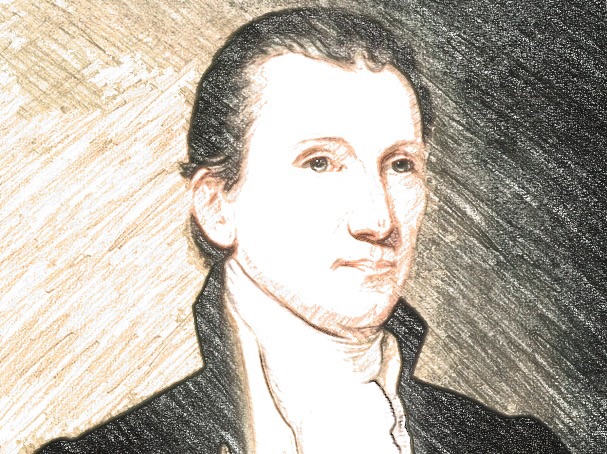
On December 2, 1823, U.S. President James Monroe delivered a speech establishing American neutrality in future European conflicts. The policy became known as the Monroe Doctrine.

Though a much-discussed principle of American foreign policy, it was undermined by the Spanish-American War, and proved a dead letter as the U. S. entered World War I.
Categories
Today

The “Stolen Election”

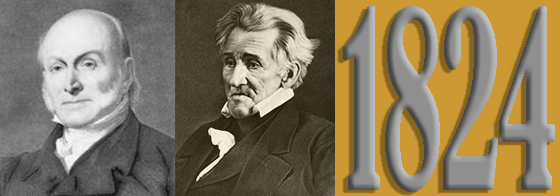
On December 1, 1824, with neither John Quincy Adams nor Andrew Jackson receiving a majority of the total electoral college votes in the election, the United States House of Representatives was given the task of deciding the winner in accordance with the Twelfth Amendment to the United States Constitution.

The House selected Adams. Jackson and his supporters felt deeply aggrieved, and immediately set about preparing for the next election, which Jackson won handily. Jacksonian supporters referred to the election of 1824 as “the Stolen Election,” in no small part because Jackson had received more popular votes.

Categories
Today

Chase and Clemens

On November 30, 1804, the United States House of Representatives began impeachment hearings against Supreme Court Justice Samuel Chase. The House thought he was too partisan, too “Federalist.”

The Senate later acquitted Chase.

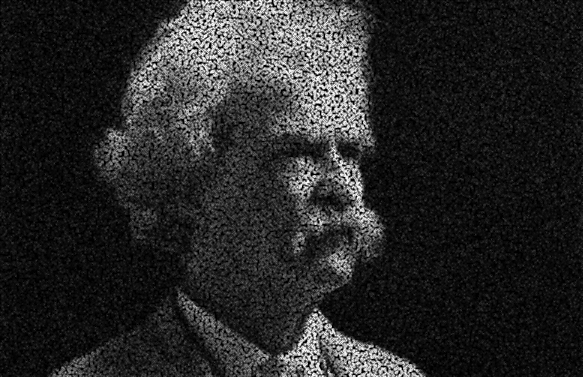
On 1835 on this date, Samuel Clemens was born, later to achieve world fame as author and humorist Mark Twain (pictured above). His most beloved books include The Adventures of Tom Sawyer (1876) and his masterpiece, Adventures of Huckleberry Finn (1885). He died in 1910.

Categories
Today

C. S. Lewis

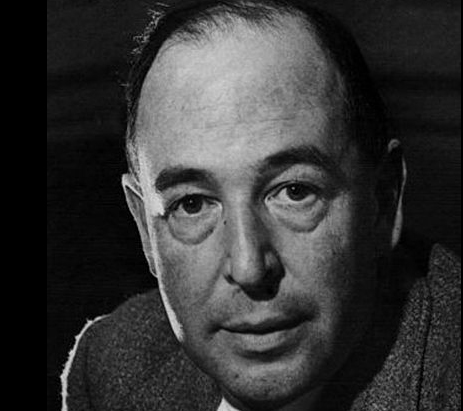
Irish-English medievalist, theologian, and novelist Clive Staples Lewis was born on November 29, 1898. Among his best known works are Out of the Silent Planet, The Problem of Pain, Miracles, and the “Narnia” fantasies for children. His retelling of the Psyche myth, Till We Have Faces, and political essays such as “The Humanitarian Theory of Punishment” and The Abolition of Man, will almost certainly stand the test of time.

Categories
Today

Henry Hazlitt

In 1894, on November 28, economics journalist Henry Hazlitt was born. Halitt went on to write Economics in One Lesson, Time Will Run Back, and several books criticizing Keynesianism. He was the main proponent of the work of Ludwig von Mises and F.A. Hayek in America during the 1940s and 1950s.

Exactly one year earlier, women voted in a national election for the first time . . . in New Zealand. On the same date in 1917, the Estonian Provincial Assembly declared itself the sovereign power of Estonia. November 28 also marks the independence of Mauritania from France (1960), and East Timor from Portugal.

Categories
Today

Nobel Prizes

November 27, 1295, the first elected representatives from Lancashire were called to Westminster by King Edward I to attend what later became known as “The Model Parliament.”

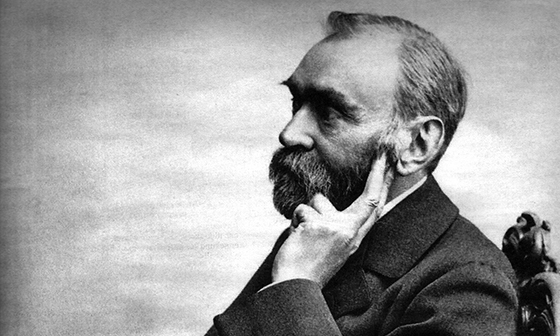
On the same date in 1895, Alfred Nobel (pictured) signed his last will and testament, thereby establishing the Nobel Prizes.

Categories
Today

A Grimké Birthday

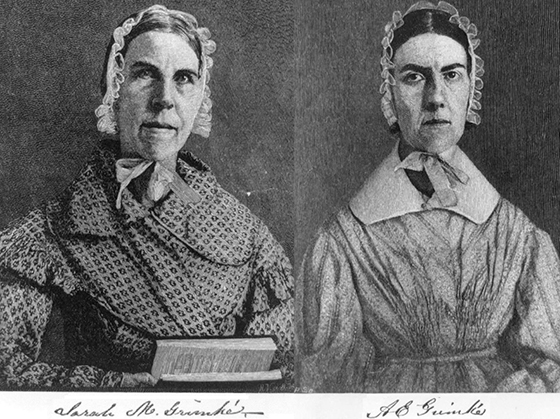
November 26, 1792, saw the birth of Sarah Moore Grimké, American abolitionist and feminist. She was the elder sister of the equally famed Angelina Emily Grimké Weld.

Categories
Today

Czech, Slovak

November 25, 1975, Suriname gained independence from the Netherlands.

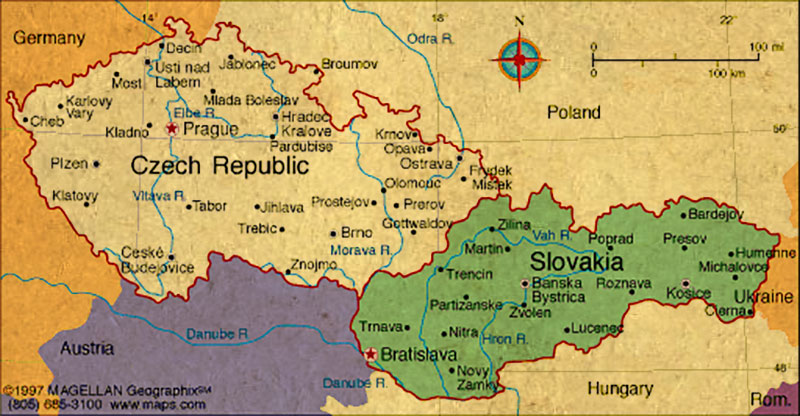
On the same month and date 17 years later, the Federal Assembly of Czechoslovakia voted to split the country into the Czech Republic and Slovakia (officially disjoined as of January 1, 1993).

Categories
Today

Happy Birthday, Baruch!

November 24th marks the birthdays of philosopher Baruch Spinoza (1632) and three influential Americans: ragtime composer Scott Joplin (1868), self-help writer Dale Carnegie (1888), and conservative editor, writer, and television personality William F. Buckley Jr. (1925).

Categories
Today

Areopagitica

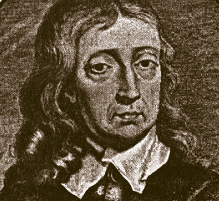
On November 23, 1644, British poet John Milton published Areopagitica, a pamphlet decrying censorship.