Categories
Today

Suffrage

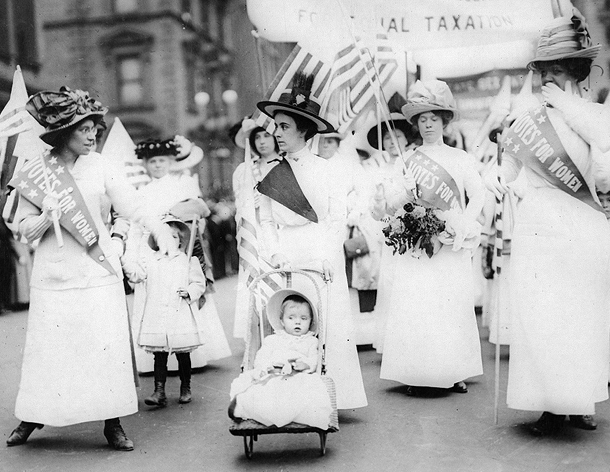
On August 26, 1920, the 19th amendment to United States Constitution took effect, giving women the right to vote in every state of the union.

Prior to the passage of this amendment, 15 states allowed women to vote. Most of them were west of the Mississippi. The territory of Wyoming was the first to extend voting rights to women in 1869.

Categories
Today

John Birch

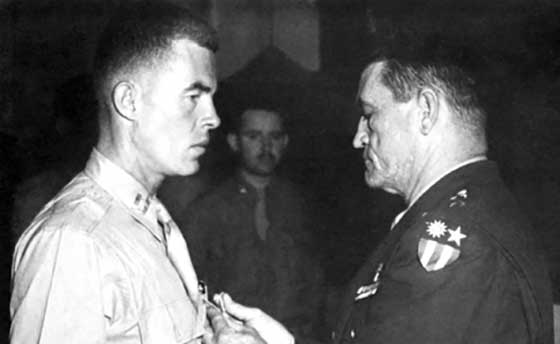
On August 25, 1945, the Cold War began (some say) when, ten days after World War II ended with the Japanese surrender, armed supporters of the Chinese Communist Party killed Baptist missionary Capt. John Birch (1918-1845).

Categories
Today

White House Burnt Down

On August 24, 1682, William Penn received an area of territory to add it to his colony of Pennsylvania. The area comprises, today, the state of Delaware.

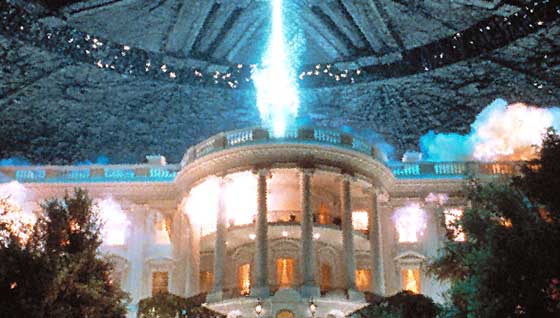
In 1814 on this day, British forces burnt down the White House. Unlike audience reaction to the 1996 movie Independence Day (pictured), there was no widespread cheering among Americans for the building’s destruction.

One year later, the modern Constitution of the Netherlands received its empowering signatures.

August 24 birthdays include that of British anti-slavery activist William Wilberforce (1759-1833), Argentine literary genius Jorge Luis Borges (1899-1986), and French historian and author of a magisterial study of the rise of capitalism in Europe, Fernand Braudel (1902-1985),

The Ukraine celebrates its independence from the Soviet Union with a National Day on August 24.

Categories
Today

Singing Revolution

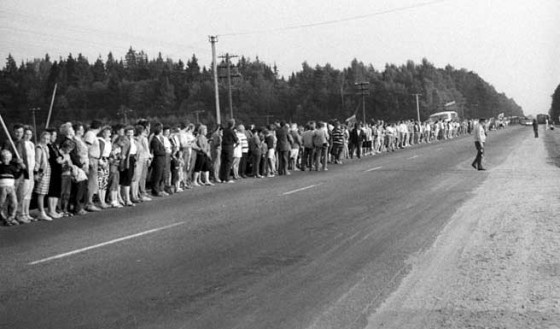
On August 23, 1989, two million people from Estonia, Latvia and Lithuania stood on the Vilnius-Tallinn road, holding hands, as part of the “Singing Revolution” that helped set the Soviet Union to its implosion.

Categories
Today

Devil’s Island

On August 22, 1952, France closed its penal colony on Devil’s Island.

At first a leper colony, it had been transformed by the end of the 19th century into a prison tasked primarily with housing enemies of the French state.

Categories
Today

Nat Turner

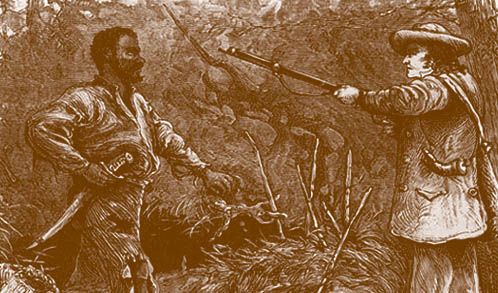
On August 21, 1831, Nat Turner led slaves and freed black Americans in a rebellion that was quickly suppressed.

Categories
Today

Estonian Independence

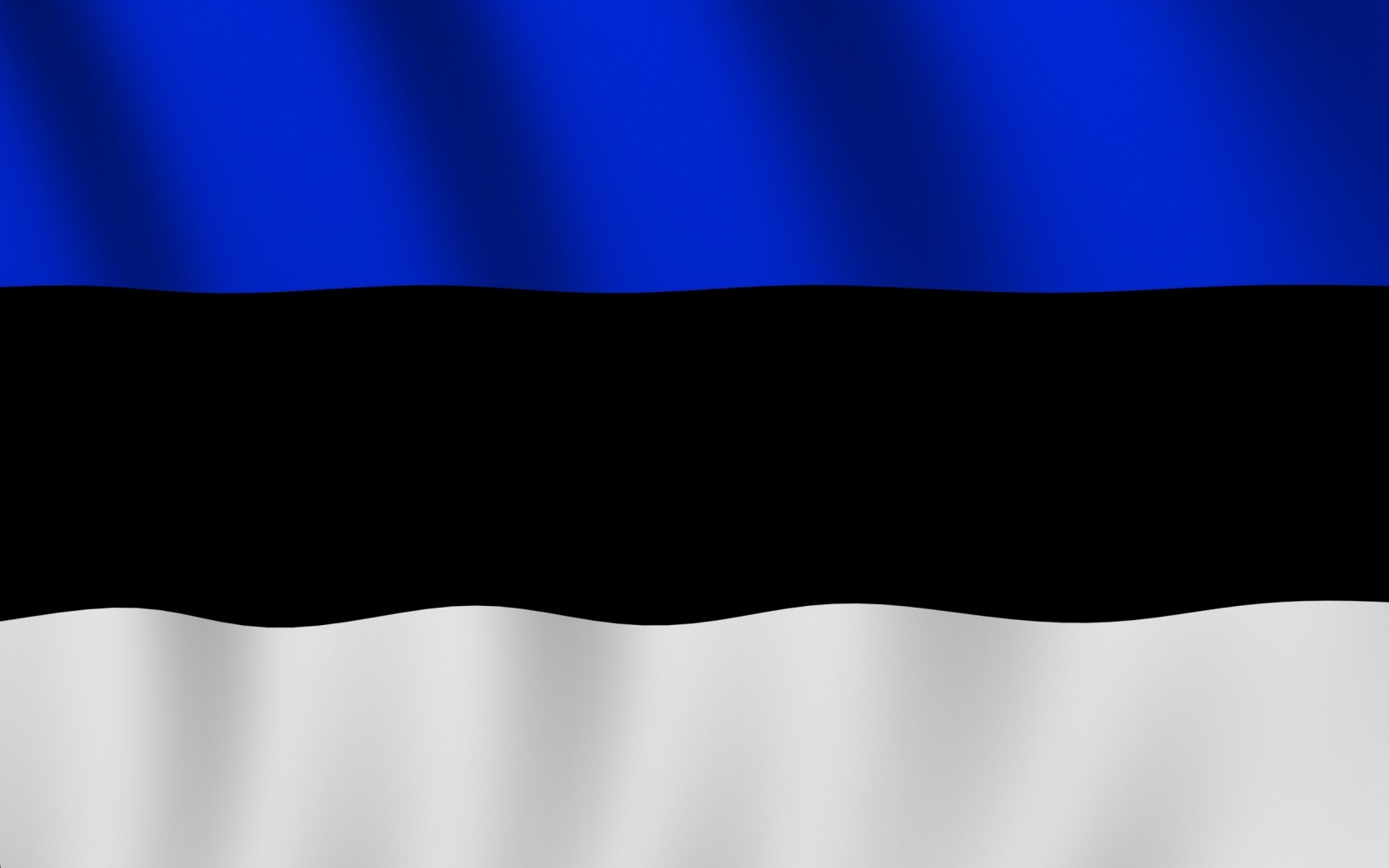
On August 20, 1991, Estonia issued a decision to re-establish independence on the basis of historical continuity of the Baltic country’s pre-World War II statehood, sloughing off Soviet rule since 1940.

On August 20, 1935, Ron Paul was born. Paul is now famous for his heroic congressional record, his several presidential campaigns, and for books such as End the Fed and Liberty Defined.

Categories
Today

Patriotism and Protest and Ousting

On August 19, 1919, Afghanistan gained full independence from Great Britain. The British attempts to maintain an imperial presence in this region elicited an earlier, infamous essay in protest by English sociologist and anti-imperialist Herbert Spencer (pictured), “Patriotism” (Facts and Comments, 1902).

On this day in 1991, Soviet President Mikhail Gorbachev was placed under house arrest, a crucial event leading to the dissolution of the Soviet Union.

In 1999, a mass rally of Serbians demanded the resignation of Slobodon Milosevic.

Categories
Today

Free to Choose

On August 18, 1920, the Nineteenth Amendment to the United States Constitution was ratified, guaranteeing women’s suffrage.

Eighty-eight years later, Pakistan’s President, Pervez Musharaf resigned under threat of impeachment.

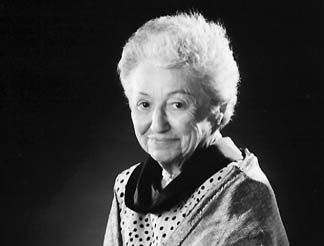
The next year, Rose Director Friedman, economist, wife of economist Milton Friedman, sister of economist Aaron Director and mother of economist David D. Friedman, died. With her husband she had written one of the most popular pro-liberty books of our time, Free to Choose. She had been born in late December, 1910, in Staryi Chortoryisk, in Ukraine, to the Director family, prominent Jewish residents.

With her husband she co-authored their memoirs, Milton and Rose D. Friedman, Two Lucky People, which appeared in 1998. Together they founded the Milton and Rose D. Friedman Foundation, with the aim of promoting the use of school vouchers and freedom of choice in education. She also helped produce the PBS television series, Free to Choose, and assisted her husband in writing his 1962 political philosophy book Capitalism and Freedom.
Categories
Today

David Crockett

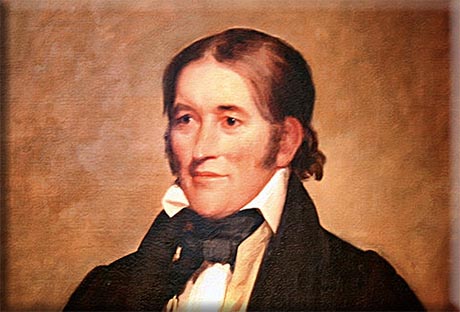
On August 17, 1786, American backwoods hero and politician, David Crockett, was born. Famous as a politician, he brought personal principle and honor and a “common sense” approach in representing Tennessee in the U.S. House of Representatives. He later served in the Texas Revolution, dying at the Battle of the Alamo.

Crockett grew up in East Tennessee, where he gained a reputation for hunting and storytelling, which helped make him a legend in his own time. After being made a colonel in the militia of Lawrence County, Tennessee, he was elected to the Tennessee state legislature in 1821.

In 1825, Crockett was elected to the U.S. Congress, where he vehemently opposed many of the policies of President Andrew Jackson, most notably the Indian Removal Act.