On November 14, 1918, Czechoslovakia became a republic.
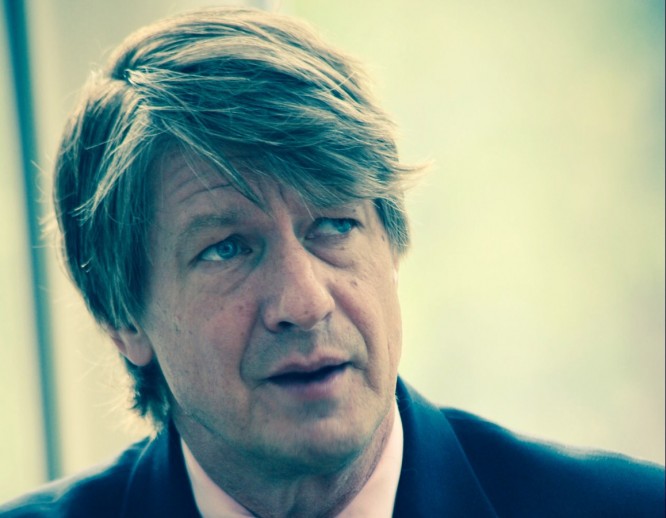
Born on the same date 29 years later, American writer P. J. O’Rourke.
On November 14, 1918, Czechoslovakia became a republic.
Born on the same date 29 years later, American writer P. J. O’Rourke.

November 13 is World Kindness Day, which has been celebrated in various countries since 1998. It is not an official celebratory day of the U.S.A., or of the United Nations. But individuals are free to be kind this day . . . or any day, for that matter.
On November 12, 1905, Norwegians established, by referendum, a monarchy — not a republic. Exactly 14 years later, to the day, Austria became a republic.
On November 11, 1889, the State of Washington was admitted as the 42nd State of the United States.
In 1918, German officials signed an armistice agreement with the Allies in a railroad car in the forest of Compiègne, France. The fighting officially ended at 11:00 a.m. — the eleventh hour of the eleventh day of the eleventh month. The war officially ended with the signing of the Treaty of Versailles on June 28, 1919.
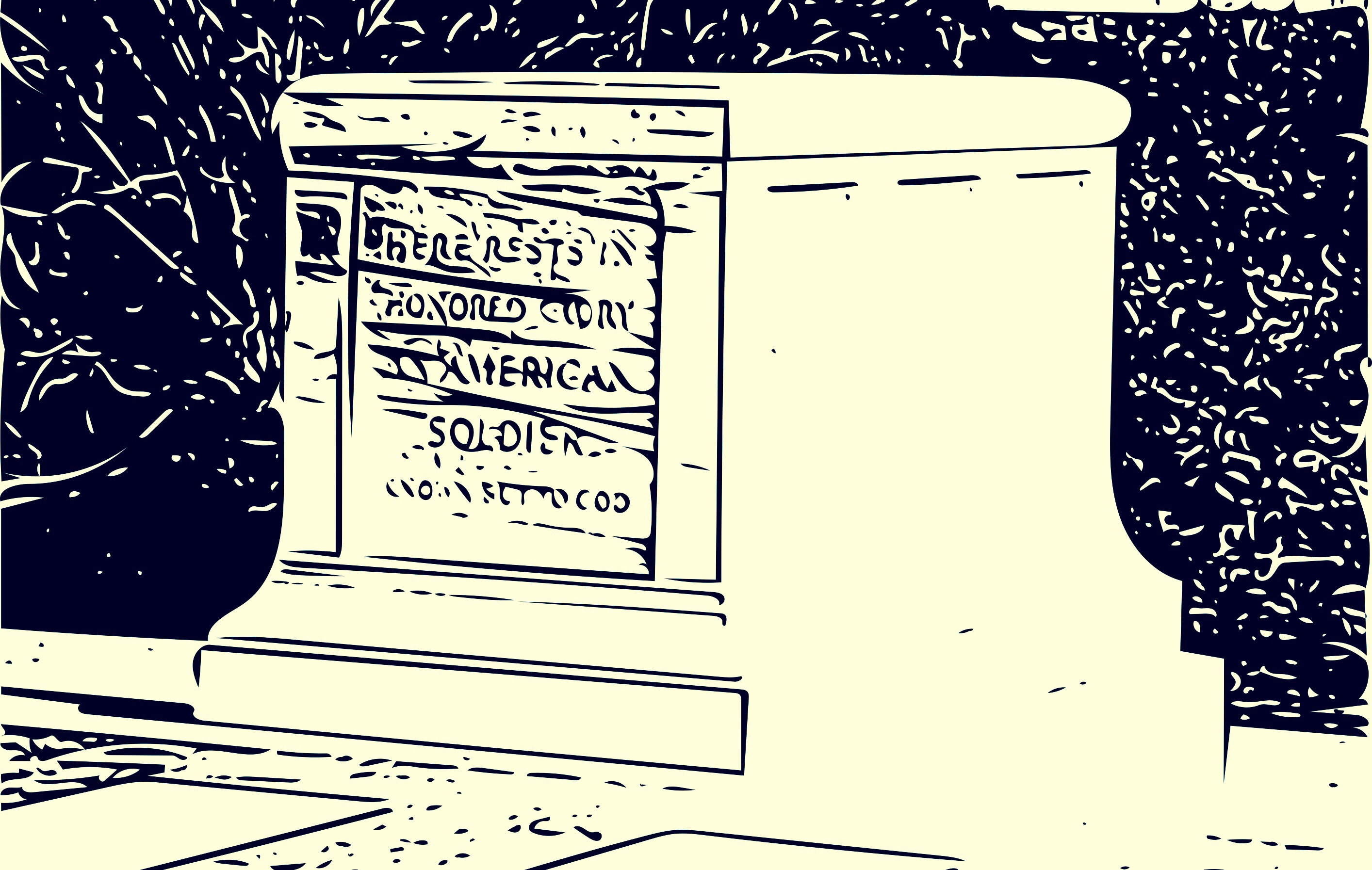
In 1921 on this date, U.S. President Warren G. Harding dedicated the Tomb of the Unknowns at Arlington National Cemetery.
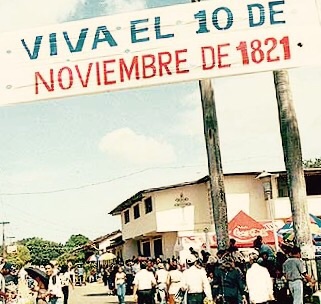
On November 10, 1821, the First Cry of Independence in the small, interior town of Villa de los Santos, occurred in Panama. The November 10 date has since become Panama’s “Cry of Independence Day” in the country. November is a month of independence celebrations in Panama, but the November 10 celebration marks the first signs of the struggle for separation from Spain.
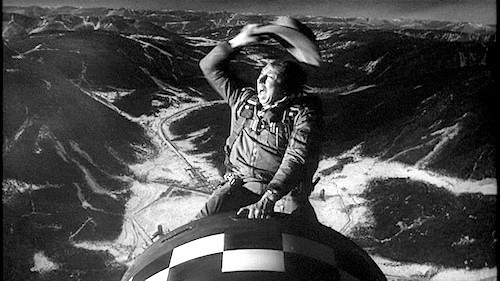
On November 9, 1979, NORAD computers and the Alternate National Military Command Center in Fort Ritchie, Maryland, detected an apparent massive Soviet nuclear strike. After reviewing the raw data from satellites and checking the early-warning radars, the alert was cancelled.
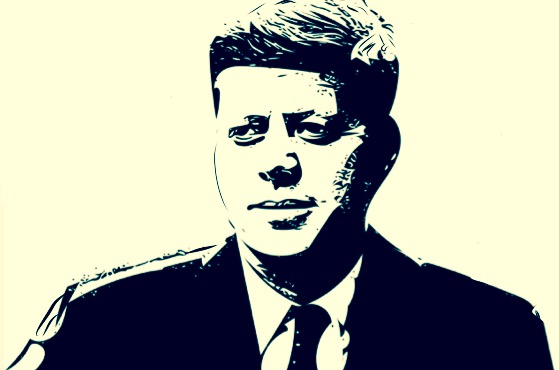
Montana was admitted into the United States federal union as the 41st state on November 8, 1889. On the same date in 1960, John F. Kennedy defeated Richard Nixon in one of the closest presidential elections of the 20th century, becoming the 35th president of the United States.
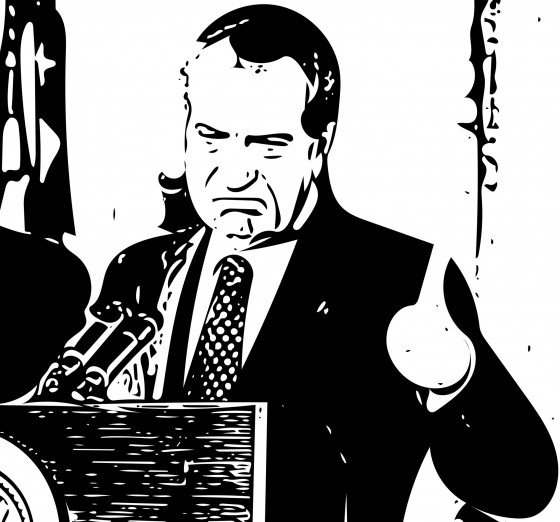
The U.S. Congress overrode President Richard M. Nixon’s veto of the War Powers Resolution on November 7, 1973. This resolution ostensibly limits presidential power to wage war without congressional approval, hence Nixon’s veto. Nowadays, however, it is often referred to as the expansive terms for the “Imperial President’s” license to engage in military conduct, and a dereliction of congressional duty to direct the United States’ foreign policy and warfare.

On November 6, 1913, Mohandes K. Gandhi was arrested for participating in a march of Indian miners in South Africa.
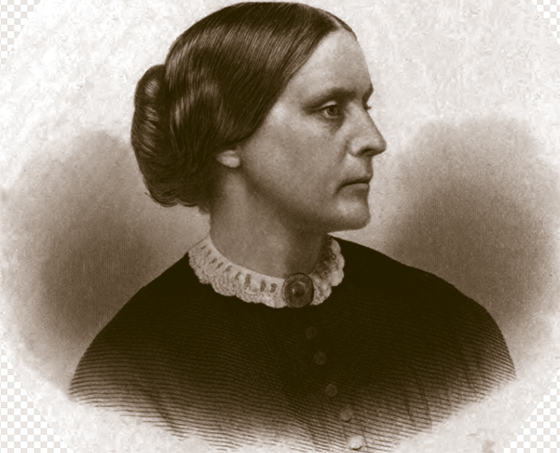
On November 5, 1872, Susan B. Anthony defied the law to vote, and was later fined $100.
Forty-one years earlier, to the day, Nat Turner, American slave and revolt leader, was tried, convicted, and sentenced to death in Virginia. His revolt has been celebrated in William Styron’s Pulitzer Prize-winning novel, The Confessions of Nat Turner (1967), and in a recent movie, The Birth of a Nation (2016).