Categories
Today

The Bastille

On July 14, 1789, Paris citizens stormed the Bastille. On the same date nine years later, in America, the Sedition Act prohibited the writing, publishing, or speaking false or malicious statements about the United States government.

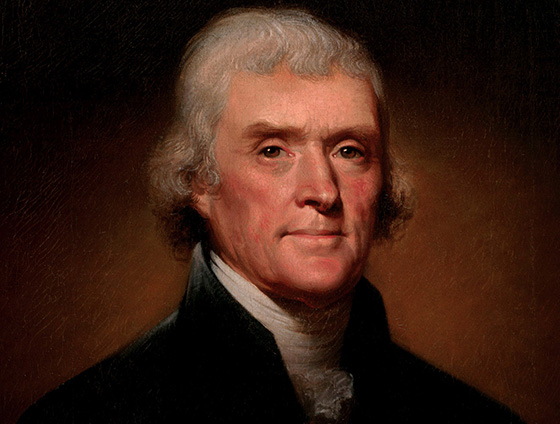
The passage of this repressive law spurred the formation of the first opposition party in the United States, with Thomas Jefferson [above] as its leader and figurehead.

Categories
Today

The Nixon Tapes

On July 13, 1973, the minority (Republican) counsel on the Senate Watergate investigative committee, Donald Sanders, asked Nixon aide Alexander Butterfield if he knew of any recordings made in the Nixon White House, and Butterfield responded, “everything was taped” at least while Nixon was in attendance, and that “there was not so much as a hint that something should not be taped.”

This revelation of the Nixon Tapes transformed the Watergate scandal into a major legal as well as political event, and proved to be one of the most astounding examples of “government transparency” in modern times — indeed, it helped demystify and desanctify the Office of the Presidency, a very republican (if not pro-Republican Party) development.

Categories
Today

Thoreau

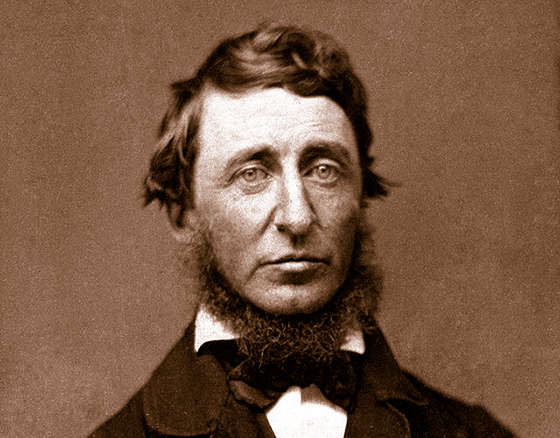
On July 12, 1817, American poet, abolitionist, businessman, and Transcendentalist philosopher Henry David Thoreau was born. He is perhaps best known, today, for his book of meditations on the simple life, Walden, and his influential essay on civil disobedience.

Categories
Today

The Weekawken Duel

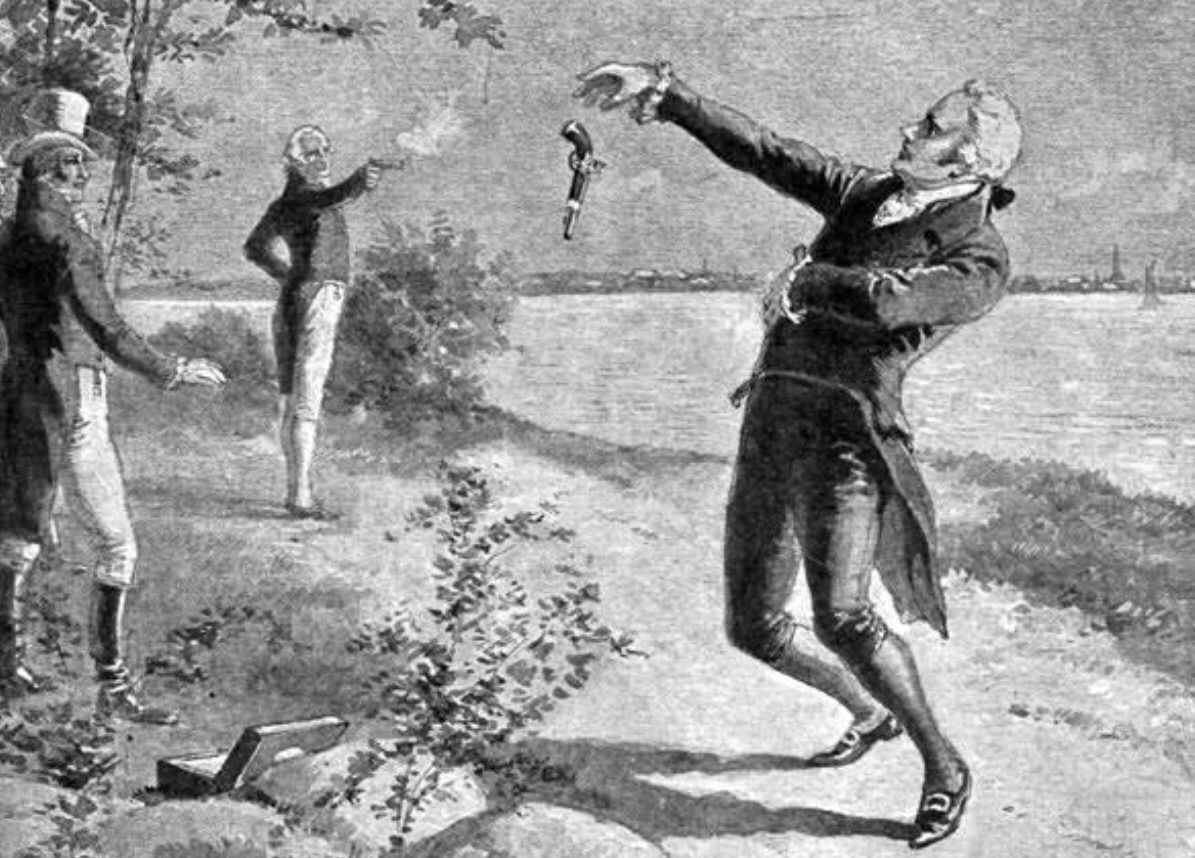
A few hundred years ago, not  far from Deas’ Point near Weehawken, N. J., was a ledge eleven paces wide and 20 paces long, situated 20 feet above the Hudson on the Palisades. This ledge, long gone, was the site of 18 documented duels and probably many unrecorded ones in the years 1798–1845. The most famous is the duel between General Alexander Hamilton, first Secretary of the Treasury, and Colonel Aaron Burr, third (and sitting) Vice President of the United States, which took place on July 11, 1804.

Categories
Today

Anti-Bankster

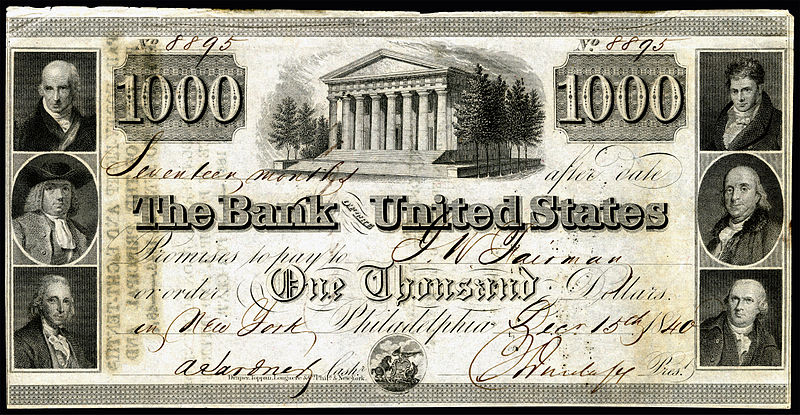
On July 10, 1832, U.S. President Andrew Jackson vetoed a bill to re-charter the Second Bank of the United States, in effect ending formal central banking in the United States until the establishment of the Federal Reserve in 1913.

Categories
Today

Bryan’s “Cross of gold”

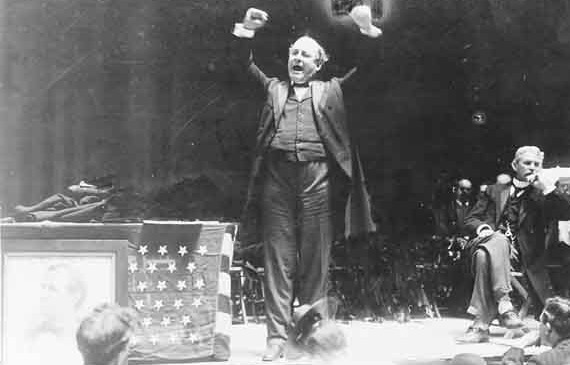
On July 9, 1896, William Jennings Bryan delivered his “Cross of Gold” speech advocating bi-metallist inflationism at the 1896 Democratic National Convention in Chicago, Illinois, a triumph of rhetoric over reason that solidified the takeover of the Democratic Party by reformers utterly ignorant of basic economics.

Categories
Today

Luther Martin

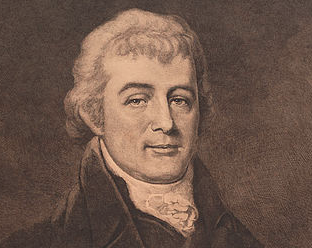
On July 8, 1839, American industrialist John D. Rockefeller was born. On this same date in 1907, businessman and politician George W. Romney was born. Died on this date, American founding politician, Luther Martin [pictured], in 1826.

Martin is famed among founding fathers for refusing to sign the U.S. Constitution, seeing the new compact as unduly centralizing and nationalistic.

Categories
Today

Solomon Islands Independence

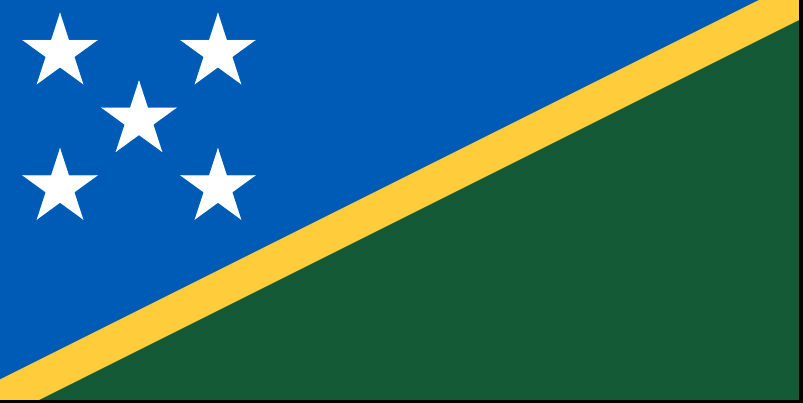
July 7 is Independence Day in the Solomon Islands, commemorating the island nation’s political separation in 1978.

The “separation” may be over-stated, however: though self-government was achieved in 1976, and political independence for the islands obtained two years later, Solomon Islands remains a constitutional monarchy with the Queen of Solomon Islands, currently Great Britain’s Queen Elizabeth II, as its head of state. Sir Frank Utu Ofagioro Kabui has been the Governor General since 2009, and Manasseh Damukana Sogavare has served as Prime Minister since late April.

Categories
Today

Tyranny?

July 6 serves better as a “Today in Tyranny” marker than anything positive, at least when you consider these events:

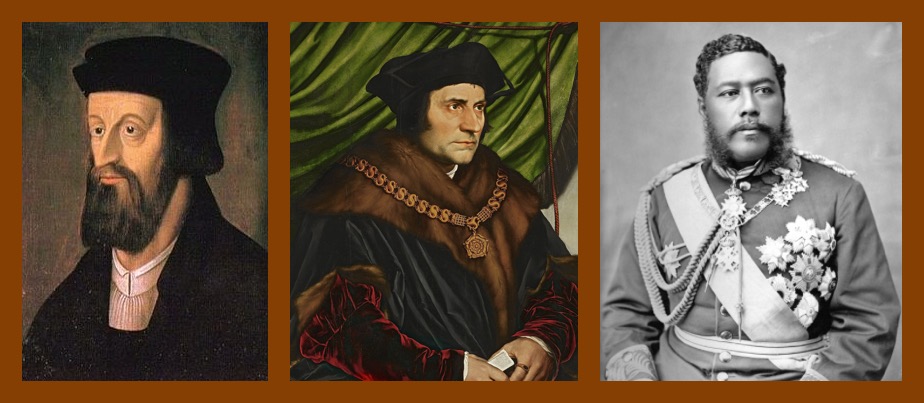
  • 1415 – Jan Hus was burned at the stake.
  • 1535 – Sir Thomas More was executed for treason against King Henry VIII of England.
  • 1887 – David Kalakaua, monarch of the Kingdom of Hawaii, was forced at gunpoint by Americans to sign the Bayonet Constitution giving Americans more power in Hawaii while stripping Hawaiian citizens of their rights.
  • 1939 – The Nazi “Third Reich” closed the last remaining Jewish enterprises in Germany.
Categories
Today

Armenia

The Liberty Bell left Philadelphia by special train on its way to the Panama–Pacific International Exposition, on July 5, 1915 — the last trip outside Philadelphia that the custodians of the bell intend to permit.

In 1937 on this date, Spam, the luncheon meat, was introduced into the market by the Hormel Foods Corporation.

The Twenty-sixth Amendment to the United States Constitution, lowering the voting age from 21 to 18 years, was formally certified by President Richard Nixon on July 5, 1971.

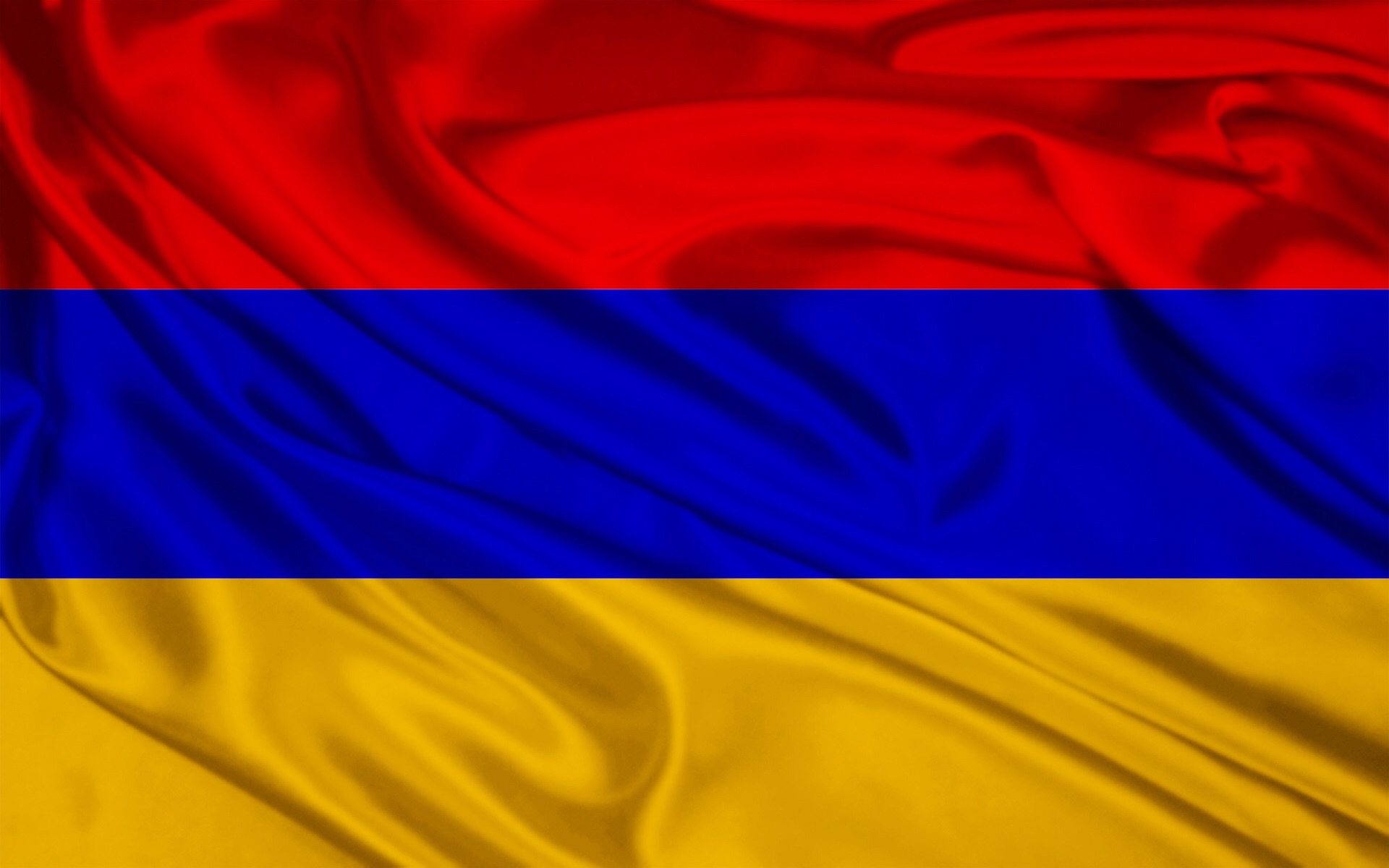
On July 5, 1995, Armenia (flag, above) adopted its constitution, four years after the country’s independence from the Soviet Union.