On October 21, 1921, President Warren G. Harding delivered the first speech by a sitting U.S. President against lynching in the deep South.
Categories
Harding Spoke Out
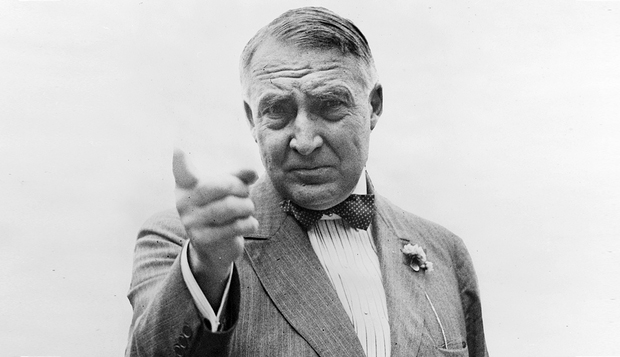
On October 21, 1921, President Warren G. Harding delivered the first speech by a sitting U.S. President against lynching in the deep South.
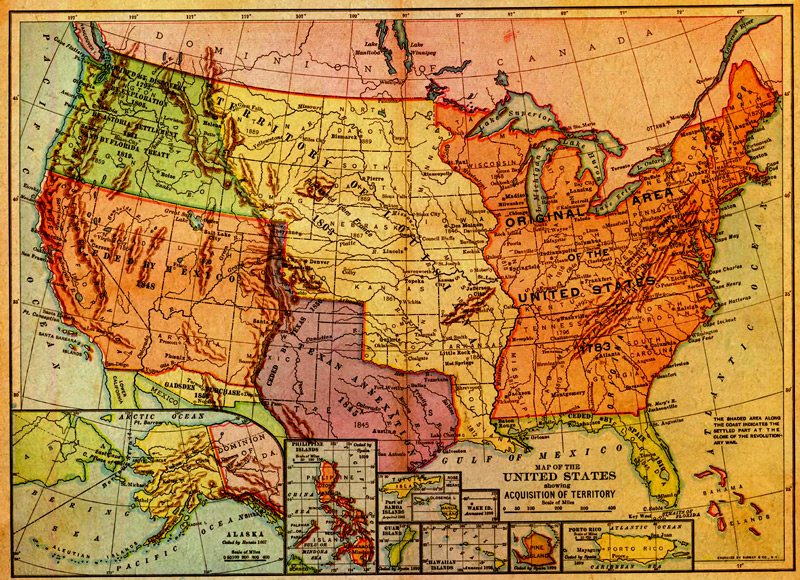
On October 20, 1803, the United States Senate ratified the Louisiana Purchase.
Exactly 15 years later, the Convention of 1818 signed between the United States and the United Kingdom which, among other things, settled the Canada-United States border on the 49th parallel for most of its length.
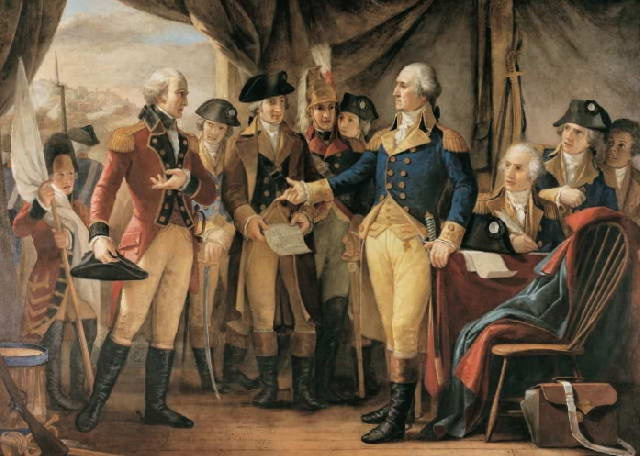
On October 19, 1781, representatives of British commander Lord Cornwallis handed over Cornwallis’s sword and formally surrendered to George Washington and the comte de Rochambeau, at Yorktown, Virginia. The Revolutionary War (or War for Independence, or Colonial Rebellion, or whatever you wish to call it) was over.
In 1918 on this date, conservative writer Russell Kirk was born.
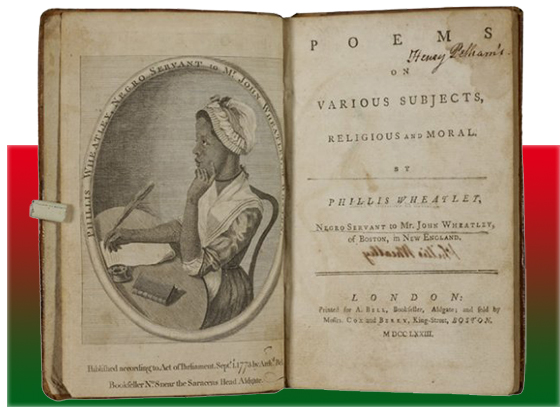
On October 18, 1775, African-American poet Phillis Wheatley was freed from slavery, upon the death of her master. Widely appreciated in her day, she was the first African-American to publish a book.
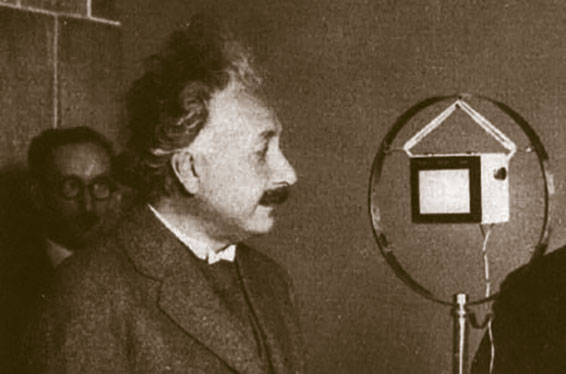
On October 17, 1933, Albert Einstein fled Nazi Germany for the United States.
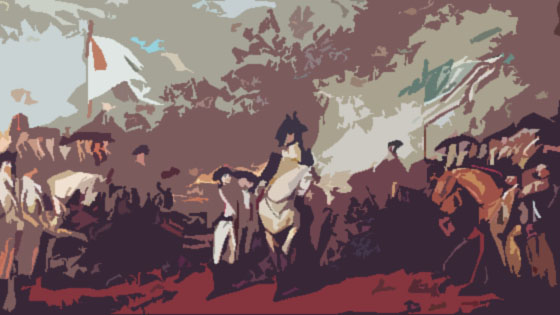
On October 16, 1781, George Washington captured Yorktown, Virginia, after the Siege of Yorktown.
October 16 is a traditional date to award Nobel Peace Prizes, good (Desmond Tutu, 1984), and bad (Henry Kissinger, 1973). Two Nobel laureates were born on October 16, as well: Austen Chamberlain, English statesman, saw daylight first in 1863; Eugene O’Neill, American playwright and Nobel Laureate for Literature, made his debut in 1888.
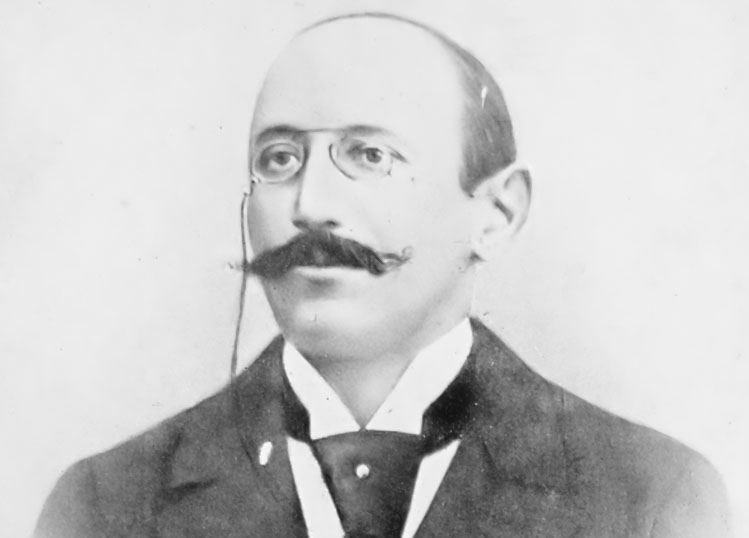
On October 15, 1894, Alfred Dreyfus (1859 – 1935) was arrested for spying: The Dreyfus Affair began. And thus began a scandal that brought anti-Semitism into the cultural center.
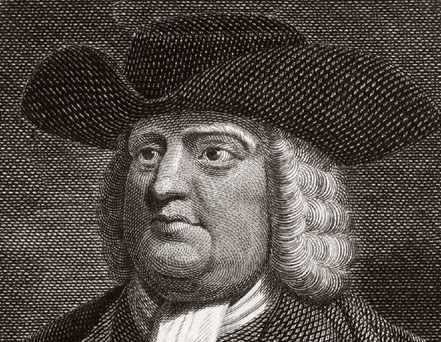
On October 14, 1644, Willliam Penn was born. An English real estate entrepreneur, philosopher, and founder of the Province of Pennsylvania (the English North American colony and future Commonwealth of Pennsylvania), he was an early champion of democracy and religious freedom, notable for his good relations and successful treaties with the Lenape Indians. Penn died in 1718.
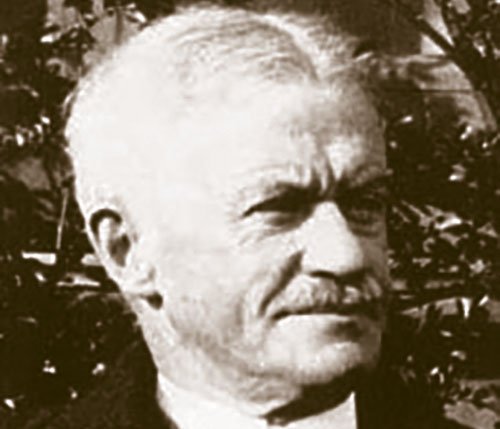
On October 13, 1870, American social critic and education theorist Albert Jay Nock was born. Nock was the author of a number of books, including Jefferson, the Man and Our Enemy, The State, but was probably most famous for his intellectual autobiography, Memoirs of a Superfluous Man, which was widely read and admired amongst conservatives in the 1950s and ’60s.
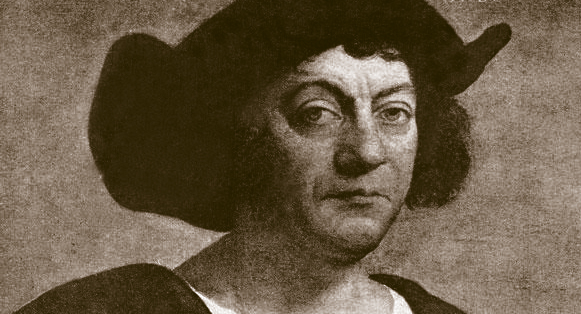
On October 12, 1492, Christopher Columbus landed in the Bahamas, thinking he had reached India.
Exactly two hundred years later, a letter from Massachusetts Governor William Phips ended the Salem Witch Trials.
On this date in 1892, the Pledge of Allegiance was first recited by students in many U.S. public schools, as part of a celebration marking the 400th anniversary of Columbus’s voyage.
The Pledge had been composed that year by Francis Bellamy, a Christian Socialist minister, and was first published in Youth’s Companion magazine, the issue dated September 8, 1892. The recital was accompanied with a salute to the flag known as the Bellamy salute. During World War II, the salute was replaced with a hand-over-heart gesture because the original form (described in detail by Bellamy) involved stretching the arm out towards the flag in a manner that resembled the later Nazi salute. The original form of the Pledge was somewhat less involved than later versions:
I pledge allegiance to my Flag and the republic for which it stands, one nation indivisible, with liberty and justice for all.
In October an editorial addition occurred, the word “to” prefixing “the republic.”