Categories
Today

Shays’ Constitution

On September 26, 1786, protestors shut down the court in Springfield, Massachusetts, beginning a military standoff and ushering in Shays’ Rebellion. This anti-tax revolt spurred a dramatic reaction on the part of the day’s politicians, including their attempts to reform the Articles of Confederation and to figure out better ways than high state taxes to pay off Revolutionary War debts. These efforts directly led to the adoption of a new Constitution.

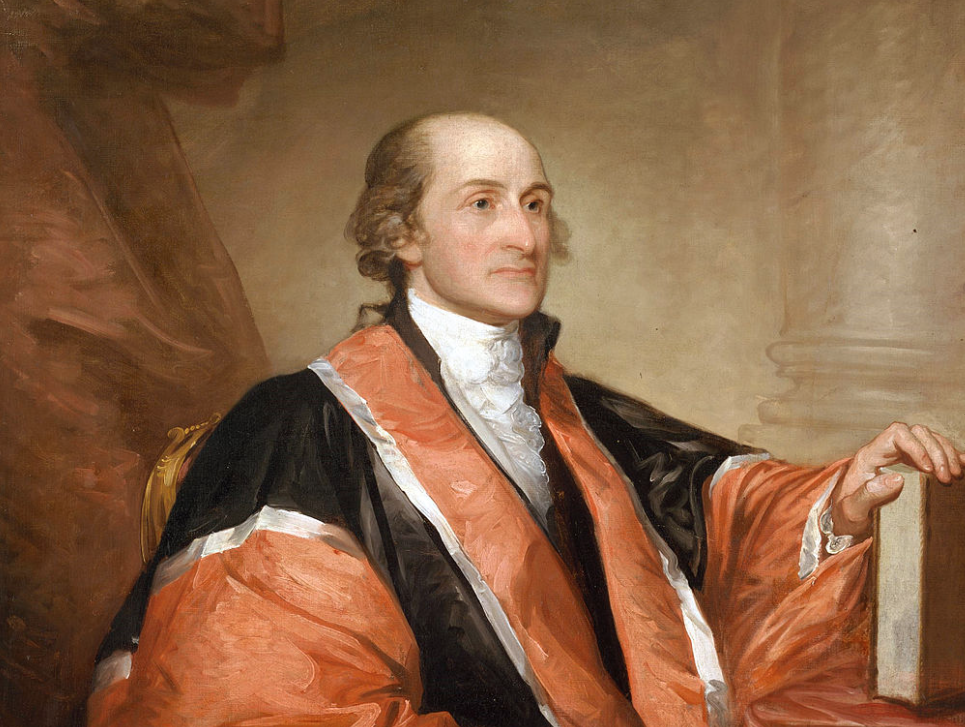
§   Three years later, to the day, Thomas Jefferson was appointed the first United States Secretary of State, John Jay (pictured) was appointed the first Chief Justice of the United States, Samuel Osgood was appointed the first United States Postmaster General, and Edmund Randolph was appointed the first United States Attorney General — all under the new Constitution.

§   In 1960 on this date, John F. Kennedy and Richard M. Nixon engaged in the first televised presidential campaign debates.

§   September 26 is celebrated, by some who know history, as “Petrov Day,” after Stanislav Yevgrafovich Petrov, who on this day in 1983 may have saved civilization by resorting to hunch. While serving as a lieutenant colonel in the Soviet Air Defense Forces, he took the initiative to downgrade information from the USSR’s computerized early warning missile defense system that the United States had initiated a nuclear first strike against the Soviet Union. He interpreted the warning as a false alarm. His hunch was correct; the U.S. had not initiated a first strike: the data he had received was misleading. A later investigation determined it was the result of high altitutde cloud interference with a satelite view of a U.S. Air Force base. Petrov was not rewarded for his decision, however. His decision showed up the military higher-ups and scientists to have concocted an extremely faulty system, so a reward would also have required some sort of punishment. He retired soon after with a very, very small pension.

Petrov died on May 19, 2017.
Categories
Today

Augsburg, Bill of Rights

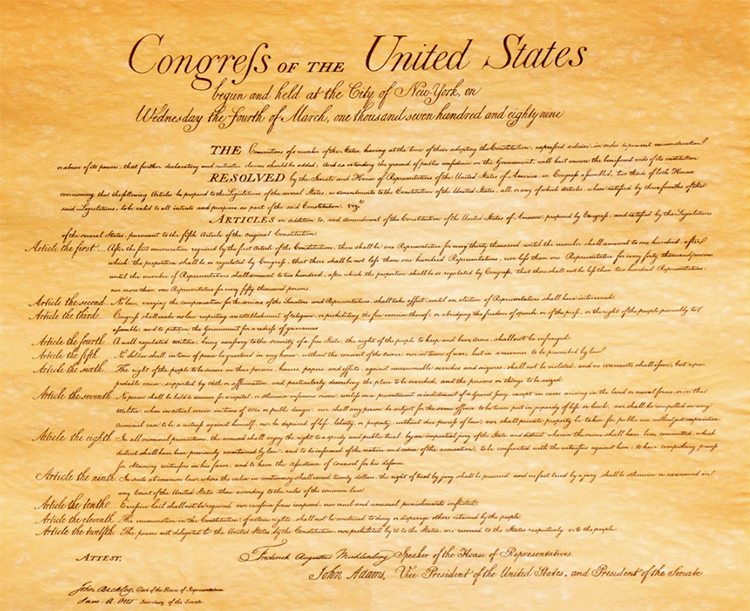
On September 25, 1789, the U.S. Congress passed twelve amendments to the United States Constitution: the Congressional Apportionment Amendment (which was never ratified), the Congressional Compensation Amendment (which was later enacted as the Twenty-seventh Amendment), and the ten that are known as the Bill of Rights.

Earlier on that date, in 1555, the Peace of Augsburg was signed in Augsburg by Charles V and the princes of the Schmalkaldic League.

Categories
Today

Judiciary Act

On September 24, 1789, the United States Congress passed the Judiciary Act, creating the office of the United States Attorney General and the federal judiciary system, and ordered the composition of the Supreme Court of the United States.

On the same day that President George Washington signed the bill into law, he officially nominated John Jay to the new position of Chief Justice of the Supreme Court. Jay (pictured in his official portrait, above) served in that position until 1795, when he resigned to take up his elected position as second governor of the State of New York. The Supreme Court heard only four cases during Jay’s Chief Justiceship; Jay refused to consult, officially, on legislation written by Alexander Hamilton, establishing the precedent that the Supreme Court has followed to this day: the Court would only rule on cases tried before it.

Categories
Today

Sweden minus Norway

On September 23, 1905, Norway and Sweden signed the “Karlstad treaty,” peacefully dissolving the union between the two countries.

Categories
Today

Emancipation Proclaimed

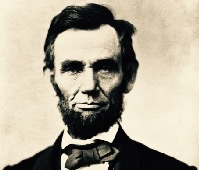
On September 22, 1862, U.S. President Abraham Lincoln issued a preliminary proclamation that he would order the emancipation of all slaves in any state of the Confederate States of America that did not return to Union control by January 1, 1863. None returned, and the subsequent order, signed and issued January 1, 1863, took effect except in locations where the Union had already mostly regained control.

Categories
Today

Santa Claus

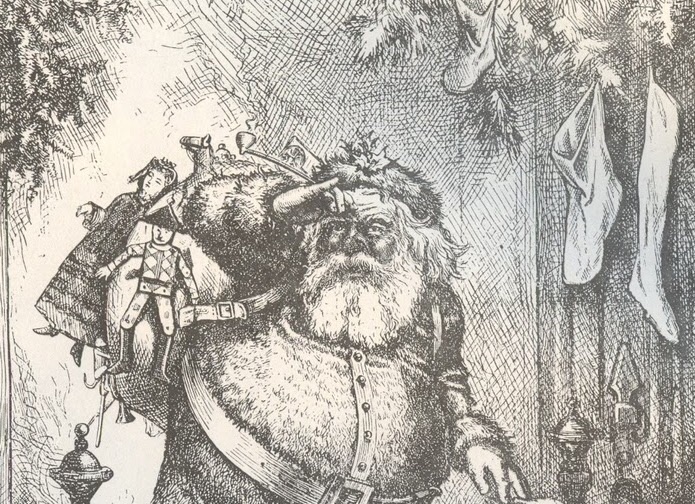
On September 21, 1897, the “Yes, Virginia, there is a Santa Claus” editorial was published in the New York Sun. Note how long before Christmas this is. The Christmas season has long been a long affair.

Categories
Today

Salamis

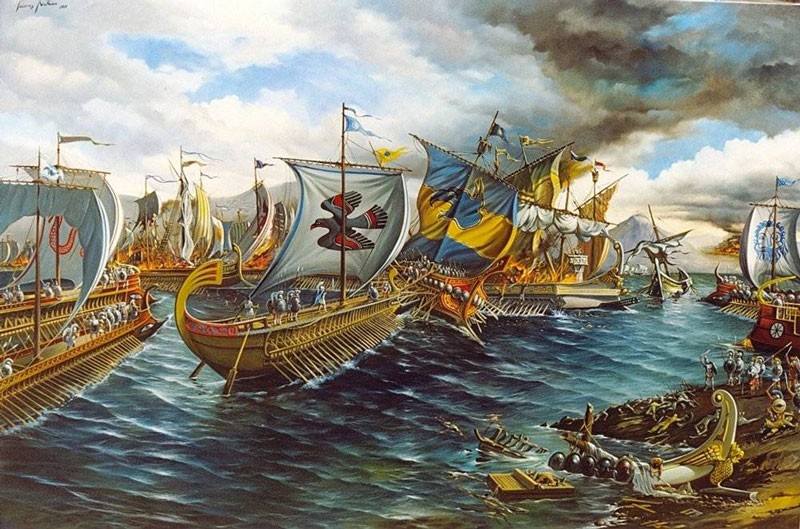
On September 20, 480 BC, Greeks defeated Persian forces in the battle of Salamis.

Categories
Today

First U.S. budget

On September 19, 1778, the Continental Congress passed the first budget of the United States.

Congress last passed a budget in 1997.

Categories
Today

A Cornerstone

On September 18, 1793, George Washington laid the cornerstone of the Capitol building.

It has grown, since.

On September 18, 1838, Richard Cobden established the Anti-Corn Law League, which proceeded to bring free trade to Britain.

Categories
Today

U. S. Constitution

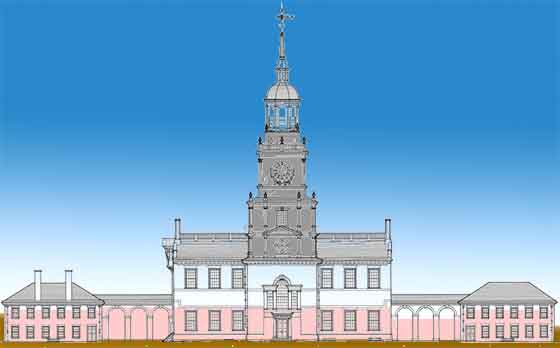
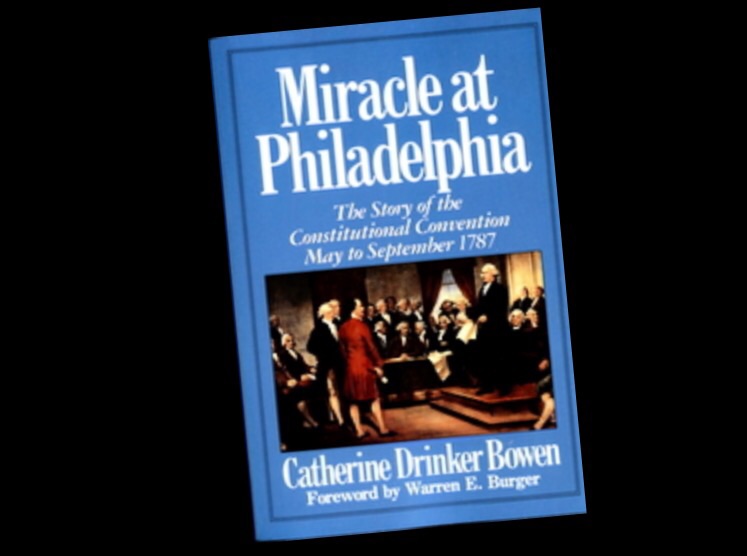
On September 17, 1787, the Constitution of the United States was signed in Philadelphia, Pennsylvania.

In 1849 on this same day in September, Harriet Tubman escaped to freedom in Philadelphia, but soon returned to Maryland to rescue her family. She made at least 13 trips into the slave-owning South to liberate more than 70 slaves before the Civil War — in which she served as a spy for the North.