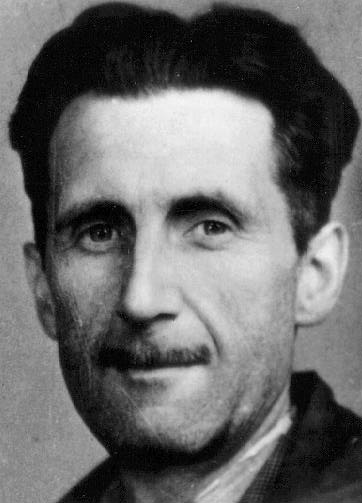
 We have now sunk to a depth at which the restatement of the obvious is the first duty of intelligent men.
Categories
We have now sunk to a depth at which the restatement of the obvious is the first duty of intelligent men.
 I was not sympathetic to the assumption that criminals had radically different motivations from everyone else.
 All modern art begins to appear comprehensible and in a way great when it is interpreted as an attempt to instill youthfulness into an ancient world.
Life is fired at us point blank.
The metaphor is perhaps one of man’s most fruitful potentialities. Its efficacy verges on magic, and it seems a tool for creation which God forgot inside one of His creatures when He made him. All our other faculties keep us within the realm of the real, of what is already there. The most we can do is to combine things or to break them up. The metaphor alone furnishes an escape; between the real things, it lets emerge imaginary reefs, a crop of floating islands.
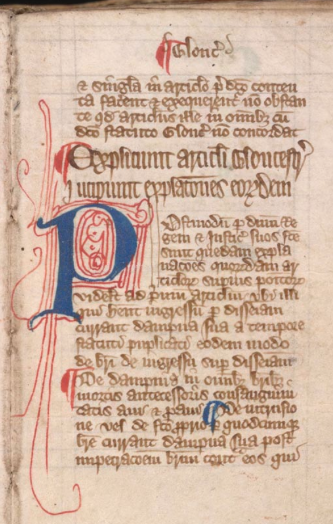 All merchants may enter or leave England unharmed and without fear, and may stay or travel within it, by land or water, for purposes of trade, free from all illegal exactions, in accordance with ancient and lawful customs. This, however, does not apply in time of war to merchants from a country that is at war with us. Any such merchants found in our country at the outbreak of war shall be detained without injury to their persons or property, until we or our chief justice have discovered how our own merchants are being treated in the country at war with us. If our own merchants are safe they shall be safe too.
No freeman shall be taken, or imprisoned, or outlawed, or exiled, or in any way harmed, nor will we go upon him nor will we send upon him, except by the legal judgement of his peers or by the law of the land.
 [A]bsolute excellence is rarely to be found in any legislation.
Whithersoever we turn I our eyes, we perceive the same revolution going on throughout the Christian world. The various occurrences of national existence have everywhere turned to the advantage of democracy: all men have aided it by their exertions, both those who have intentionally labored in its cause, and those who have served it unwittingly; those who have fought for it, and those who have declared themselves its opponents, have all been driven along in the same track, have all labored to one end; some ignorantly and some unwillingly, all have been blind instruments in the hands of God.
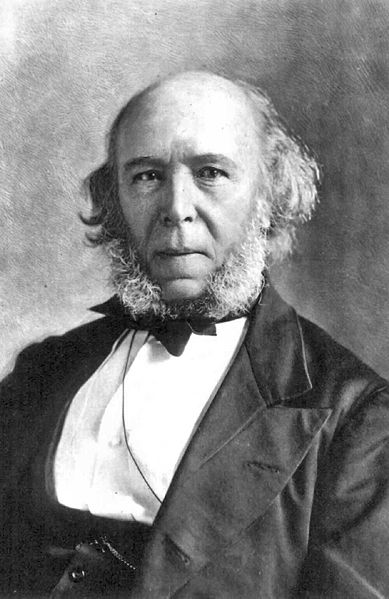 All socialism involves slavery.